Data may be outdated
Last updated: 9 months ago — Click refresh to get the latest statistics.
Grandpaboy is <a href="spotify:artist:3N6WAAPHoIjo6na008793X">Paul Westerberg</a>, singer/songwriter/guitarist and de facto leader of the revered (and now defunct) <a href="spotify:artist:4WPY0N74T3KUja57xMQTZ3">Replacements</a>. Not exactly a secret venture, but a means for <a href="spotify:artist:3N6WAAPHoIjo6na008793X">Westerberg</a> to escape expectations and get back to playing devil-may-care, stripped-down rock. He plays all the instruments on each Grandpaboy release and, in keeping with the concept, uses various eccentric pseudonyms.
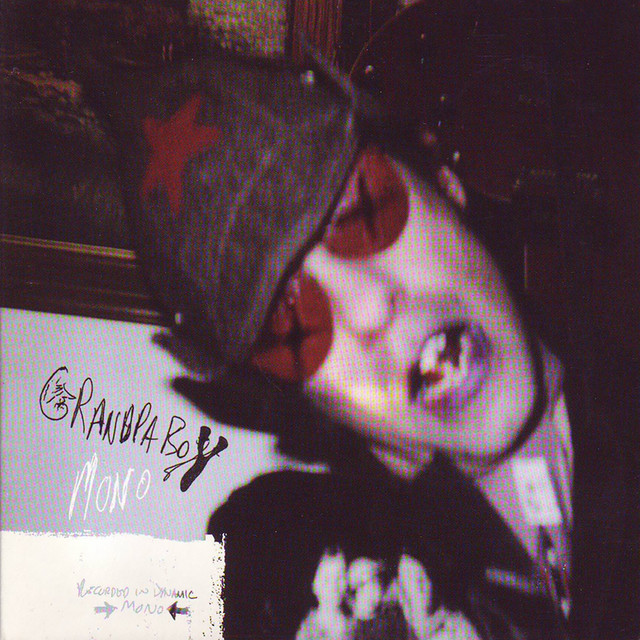
After two inconsistent and labored solo albums, the tiny Monolith label put out a Grandpaboy single and then an EP in 1997. Both brief releases contained some clever wordplay, while simultaneously recalling the <a href="spotify:artist:4WPY0N74T3KUja57xMQTZ3">Replacements</a>' reckless spirit. Many fans and critics proclaimed the EP to be his best work in ages. Another, more subtle <a href="spotify:artist:3N6WAAPHoIjo6na008793X">Westerberg</a> platter, Suicaine Gratifaction, was issued in 1999 on Capitol Records, but as a result of a change in management at the label, his contract was terminated not long after its release. Seemingly disillusioned with the music business, he dropped out of sight for a few years, leaving the zealots to wonder if he would ever return. After so much time had passed, one could've looked back on the playfully cantankerous Grandpaboy as just a fun little diversion for <a href="spotify:artist:3N6WAAPHoIjo6na008793X">Westerberg</a> while he was between major labels. But in early 2002, he resurfaced, reviving the moniker with Mono, and delighting his fan base with a full-length CD of loose, <a href="spotify:artist:08avsqaGIlK2x3i2Cu7rKH">Keith Richards</a>/<a href="spotify:artist:3v4feUQnU3VEUqFrjmtekL">Faces</a>-style rock & roll. A short time later, Mono was paired with his fourth solo disc, Stereo (both on the emo-centric Vagrant).
Grandpaboy turned out to be a way for <a href="spotify:artist:3N6WAAPHoIjo6na008793X">Westerberg</a> to once again harness the unruly, go-for-broke aspect of his personality, which was largely lacking in his work following the demise of <a href="spotify:artist:4WPY0N74T3KUja57xMQTZ3">the Replacements</a> (arguably due to maturity, sobriety, repeated attempts at more commercial sound, and/or the simple fact that the other <a href="spotify:artist:4WPY0N74T3KUja57xMQTZ3">Replacements</a> were no longer propelling his songs). At the same time, it reinvigorated the material released under his given name, allowing him to focus on his other strength -- heart-on-his-sleeve narratives -- resulting in his finest solo record to date with Stereo. Perhaps sensing that he was onto a good thing, another album under the alias, Dead Man Shake, was delivered in 2003, as was the fifth <a href="spotify:artist:3N6WAAPHoIjo6na008793X">Paul Westerberg</a> long-player, Come Feel Me Tremble, which sounded very much inspired by his close personal friend, Grandpaboy. ~ Bart Bealmear, Rovi
After two inconsistent and labored solo albums, the tiny Monolith label put out a Grandpaboy single and then an EP in 1997. Both brief releases contained some clever wordplay, while simultaneously recalling the <a href="spotify:artist:4WPY0N74T3KUja57xMQTZ3">Replacements</a>' reckless spirit. Many fans and critics proclaimed the EP to be his best work in ages. Another, more subtle <a href="spotify:artist:3N6WAAPHoIjo6na008793X">Westerberg</a> platter, Suicaine Gratifaction, was issued in 1999 on Capitol Records, but as a result of a change in management at the label, his contract was terminated not long after its release. Seemingly disillusioned with the music business, he dropped out of sight for a few years, leaving the zealots to wonder if he would ever return. After so much time had passed, one could've looked back on the playfully cantankerous Grandpaboy as just a fun little diversion for <a href="spotify:artist:3N6WAAPHoIjo6na008793X">Westerberg</a> while he was between major labels. But in early 2002, he resurfaced, reviving the moniker with Mono, and delighting his fan base with a full-length CD of loose, <a href="spotify:artist:08avsqaGIlK2x3i2Cu7rKH">Keith Richards</a>/<a href="spotify:artist:3v4feUQnU3VEUqFrjmtekL">Faces</a>-style rock & roll. A short time later, Mono was paired with his fourth solo disc, Stereo (both on the emo-centric Vagrant).
Grandpaboy turned out to be a way for <a href="spotify:artist:3N6WAAPHoIjo6na008793X">Westerberg</a> to once again harness the unruly, go-for-broke aspect of his personality, which was largely lacking in his work following the demise of <a href="spotify:artist:4WPY0N74T3KUja57xMQTZ3">the Replacements</a> (arguably due to maturity, sobriety, repeated attempts at more commercial sound, and/or the simple fact that the other <a href="spotify:artist:4WPY0N74T3KUja57xMQTZ3">Replacements</a> were no longer propelling his songs). At the same time, it reinvigorated the material released under his given name, allowing him to focus on his other strength -- heart-on-his-sleeve narratives -- resulting in his finest solo record to date with Stereo. Perhaps sensing that he was onto a good thing, another album under the alias, Dead Man Shake, was delivered in 2003, as was the fifth <a href="spotify:artist:3N6WAAPHoIjo6na008793X">Paul Westerberg</a> long-player, Come Feel Me Tremble, which sounded very much inspired by his close personal friend, Grandpaboy. ~ Bart Bealmear, Rovi
Monthly Listeners
5,682
Monthly Listeners History
Track the evolution of monthly listeners over the last 28 days.
Followers
3,649
Followers History
Track the evolution of followers over the last 28 days.
Top Cities
179 listeners

138 listeners
135 listeners
95 listeners
83 listeners
Related Artists

Miracle Legion
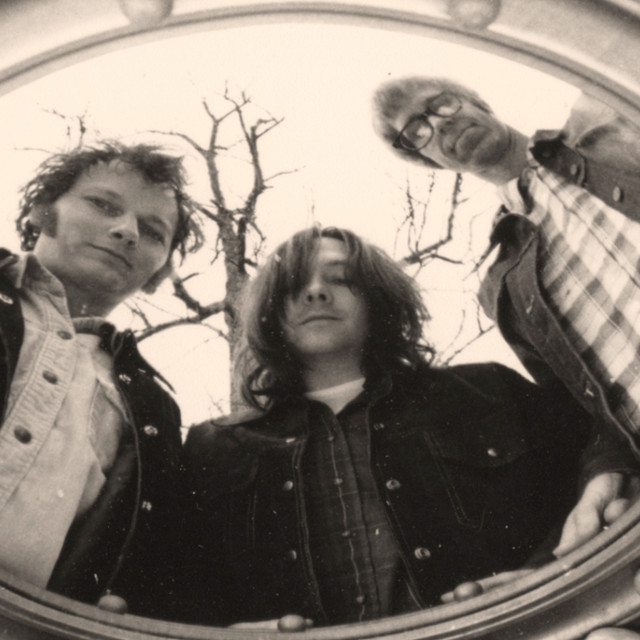
Velvet Crush

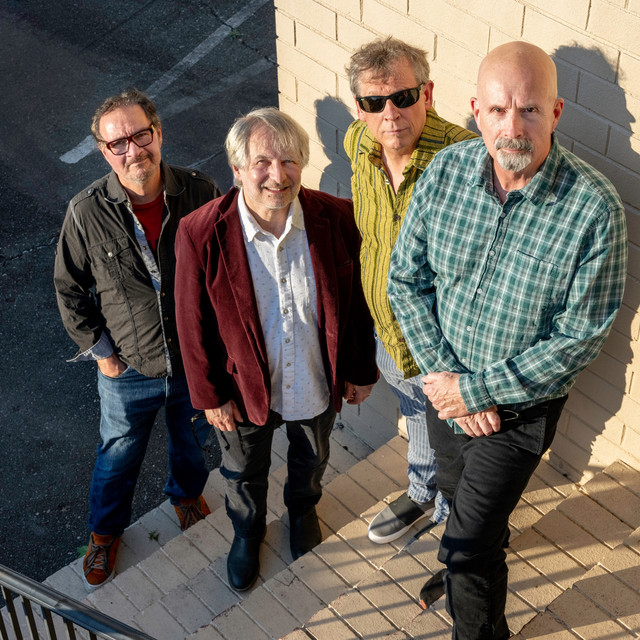
Slim Dunlap
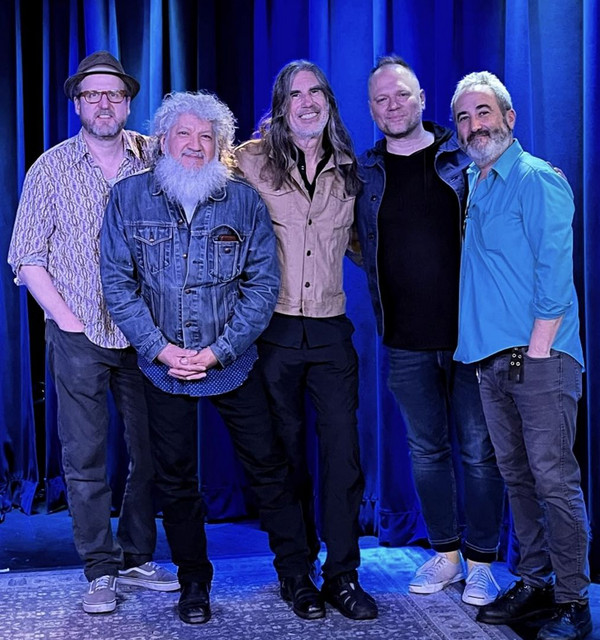

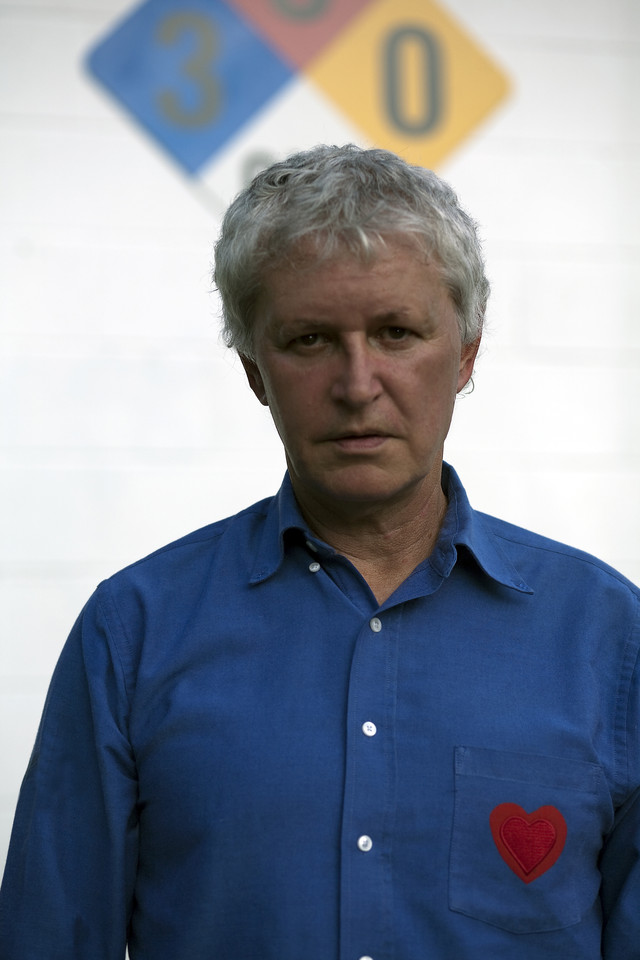
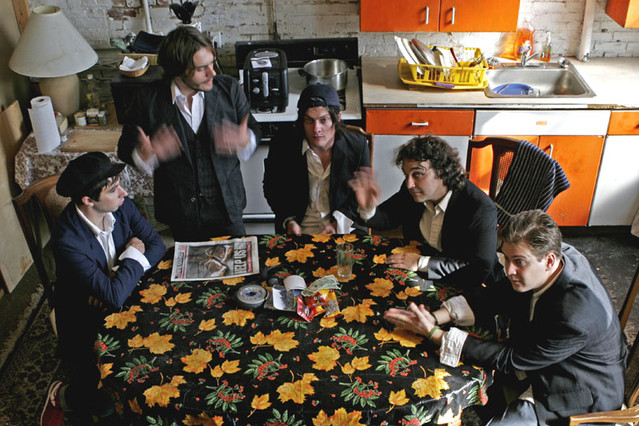

Doug Gillard


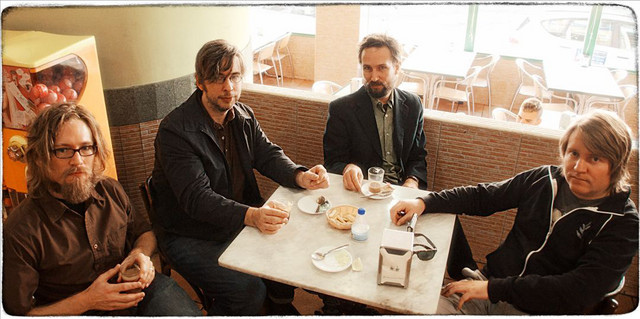

J Mascis + The Fog

The Glands


Let's Active


Keene Brothers

Scud Mountain Boys
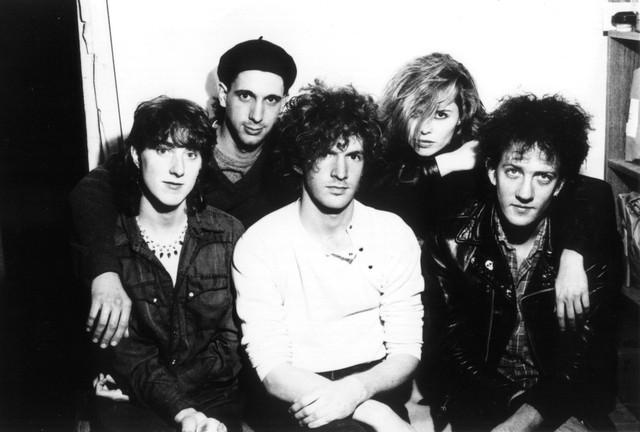
Game Theory
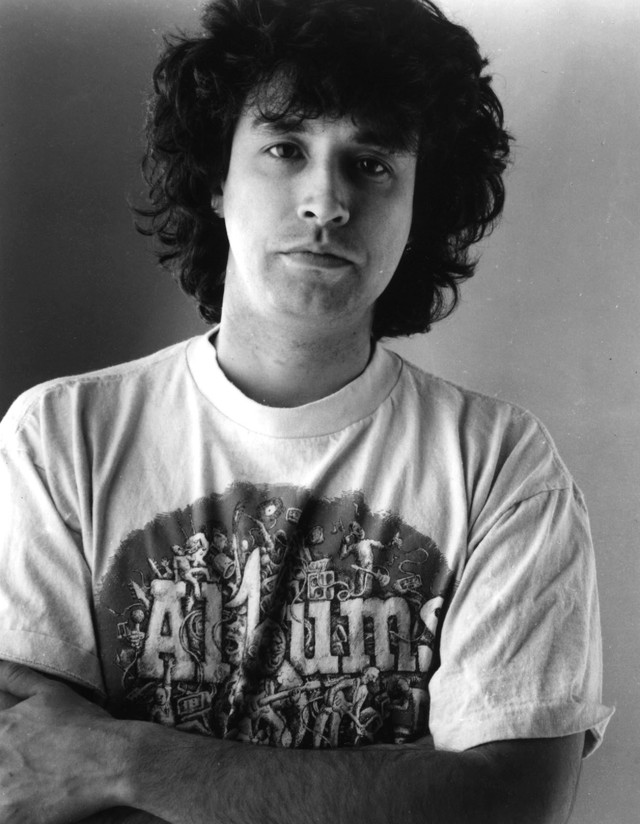
Chris Mars