Artist
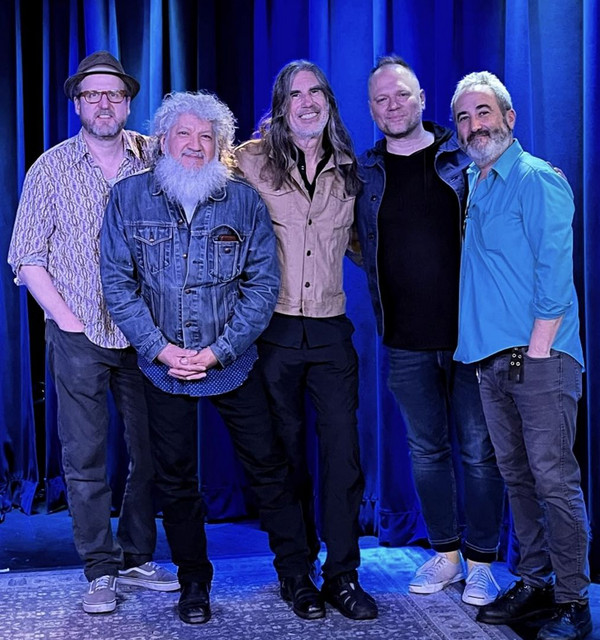
The Silos
Data may be outdated
Last updated: 9 months ago — Click refresh to get the latest statistics.
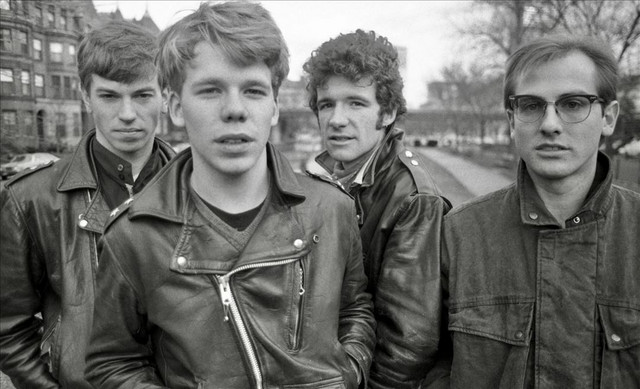
One of the pioneering bands of the early alternative country scene, the Silos were the brainchild of vocalist, songwriter, and bandleader <a href="spotify:artist:6qrZlCTUWyFb6pzKE81jdf">Walter Salas-Humara</a>, who was born in Florida to parents who were exiled from Cuba. <a href="spotify:artist:6qrZlCTUWyFb6pzKE81jdf">Salas-Humara</a> began writing songs while he was a student at the University of Florida in Gainesville in the early '80s (where he played in an early version of <a href="spotify:artist:0dJjgLPwn4EtXDxHr78C3J">the Vulgar Boatmen</a>), and by 1985 he had relocated to New York City and was eager to record an album. <a href="spotify:artist:6qrZlCTUWyFb6pzKE81jdf">Salas-Humara</a> began working with bassist and guitarist Bob Rupe, another former Floridian. Calling themselves the Silos, the pair recorded -- with the help of a few friends -- a low-budget album called About Her Steps. Released by a small New York independent label called Record Collect, About Her Steps earned a number of rave reviews, and <a href="spotify:artist:6qrZlCTUWyFb6pzKE81jdf">Salas-Humara</a> and Rupe assembled a touring version of the Silos to support the release on the road.
In 1987, the road-tested Silos went into the studio to record Cuba, which added a tougher and more confident tone to the debut album's blend of jangle and fuzz; the album became another critical favorite, and the band signed a major-label deal with RCA, who released the band's self-titled third set in 1990. A more delicate and carefully crafted effort than its predecessors, The Silos was lovely but a tough sell, and sold poorly by major-label standards (though it moved significantly more copies than Cuba or About Her Steps). RCA dropped the band, and Rupe parted ways with the Silos; <a href="spotify:artist:6qrZlCTUWyFb6pzKE81jdf">Salas-Humara</a> opted to continue without him, and the Texas-based independent label Watermelon Records issued Hasta la Victoria! in 1992. After 1994's Susan Across the Ocean, the Silos tool a break for several years, but with 1998's Heater, the group began to solidify with a new lineup -- <a href="spotify:artist:6qrZlCTUWyFb6pzKE81jdf">Salas-Humara</a>, bassist and pedal steel player Drew Glackin, and percussionist Konrad Meissner -- and a series of strong albums followed, including 2001's Laser Beam Next Door and 2004's When the Telephone Rings. ~ Mark Deming, Rovi
In 1987, the road-tested Silos went into the studio to record Cuba, which added a tougher and more confident tone to the debut album's blend of jangle and fuzz; the album became another critical favorite, and the band signed a major-label deal with RCA, who released the band's self-titled third set in 1990. A more delicate and carefully crafted effort than its predecessors, The Silos was lovely but a tough sell, and sold poorly by major-label standards (though it moved significantly more copies than Cuba or About Her Steps). RCA dropped the band, and Rupe parted ways with the Silos; <a href="spotify:artist:6qrZlCTUWyFb6pzKE81jdf">Salas-Humara</a> opted to continue without him, and the Texas-based independent label Watermelon Records issued Hasta la Victoria! in 1992. After 1994's Susan Across the Ocean, the Silos tool a break for several years, but with 1998's Heater, the group began to solidify with a new lineup -- <a href="spotify:artist:6qrZlCTUWyFb6pzKE81jdf">Salas-Humara</a>, bassist and pedal steel player Drew Glackin, and percussionist Konrad Meissner -- and a series of strong albums followed, including 2001's Laser Beam Next Door and 2004's When the Telephone Rings. ~ Mark Deming, Rovi
Monthly Listeners
6,213
Monthly Listeners History
Track the evolution of monthly listeners over the last 28 days.
Followers
4,153
Followers History
Track the evolution of followers over the last 28 days.
Top Cities
139 listeners

87 listeners
74 listeners
68 listeners
61 listeners
Related Artists

The Drams
Slim Dunlap

Kevn Kinney

The V-Roys

Cash Brothers




Scud Mountain Boys
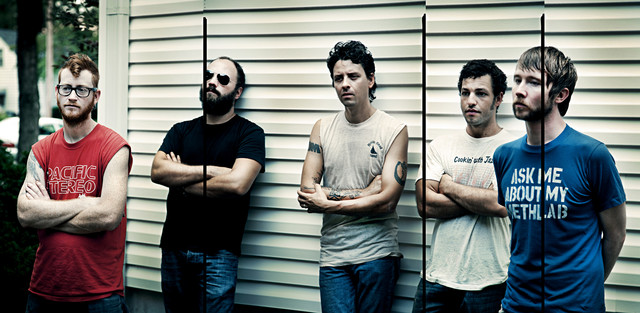


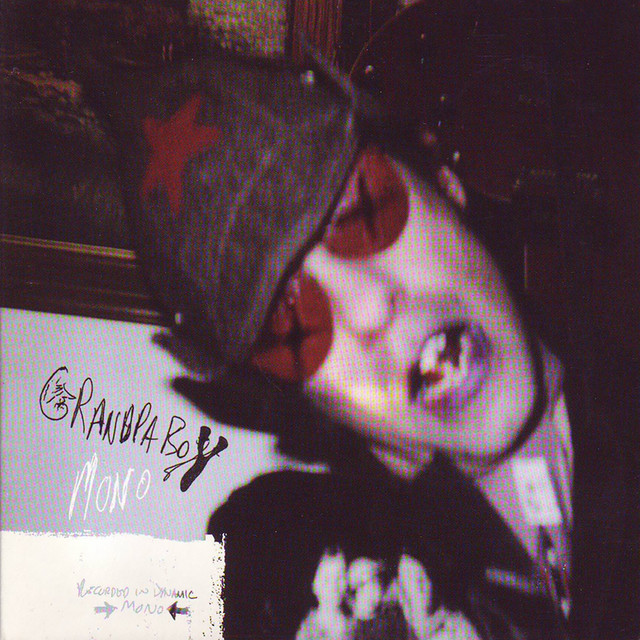

The Honeydogs
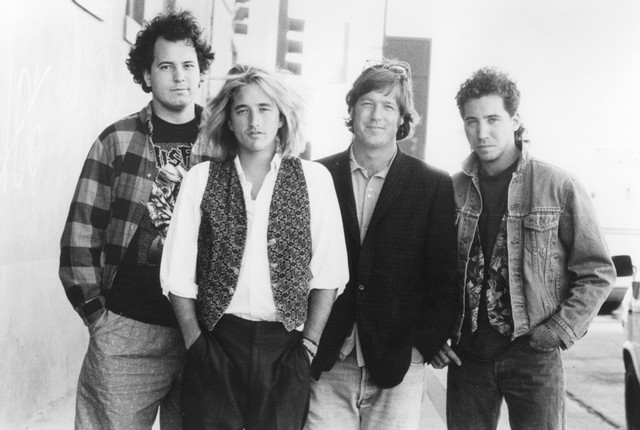

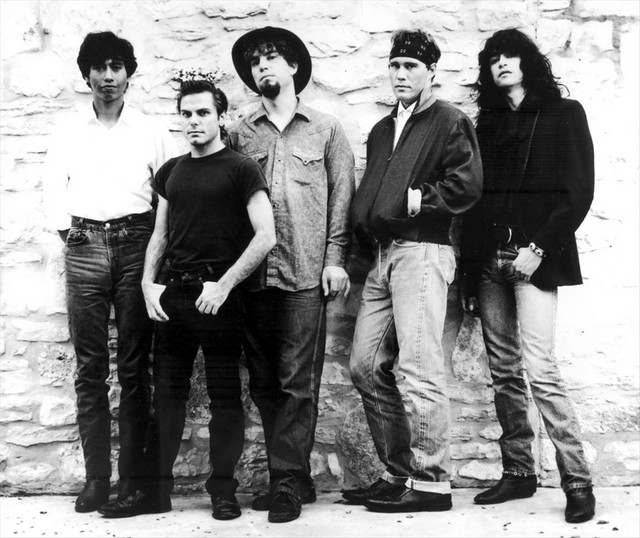
The True Believers
Peter Holsapple


THe BAcksliders
Martin Zellar
Volebeats

Scruffy The Cat

The Mysteries Of Life