Data may be outdated
Last updated: 9 months ago — Click refresh to get the latest statistics.
Greg Kihn was one of the great Power Pop heroes of the 1980s, playing punchy and melodic rock & roll with enough edge for new wave fans and tuneful enough to appeal to mainstream listeners, scoring major hit singles with "The Breakup Song (They Don't Write 'Em)" in 1981, and "Jeopardy" in 1983. Coming out of the Northern California rock & roll scene that formed around <a href="spotify:search:label%3A%22Beserkley+Records%22">Beserkley Records</a>, he issued his self-titled debut in 1976, and by 1979, his fans included <a href="spotify:artist:3eqjTLE0HfPfh78zjh6TqT">Bruce Springsteen</a>, who gave him the unreleased "Rendezvous" to cover on 1979's With The Naked Eye. 1981's Rockihnroll and 1983's Kihnspiracy represented his commercial peak (and showed off his love of punning album titles), but even after he turned to other pursuits, 2017's Rekihndled showed he never lost his rock & roll heart.
Greg Kihn was born in Baltimore, MD on July 10, 1949. He started learning the guitar at a young age, and like countless of other aspiring rockers of his generation, seeing <a href="spotify:artist:3WrFJ7ztbogyGnTHbHJFl2">the Beatles</a> make their American debut on The Ed Sullivan Show in 1964 had a powerful impact on him. He took up songwriting, following the example of the British Invasion bands that were storming the charts. While he was in high school, Kihn won a talent search competition sponsored by a local radio station, where he was awarded a Vox electric guitar, a typewriter, and plenty of records. He became a regular on the Baltimore club circuit before he relocated to San Francisco in 1972. Once he settled in, Kihn landed a job behind the counter at one of the Bay Area's best loved record stores, Rather Ripped Records. One of his co-workers, Gary Phillips, played in a rising local band, <a href="spotify:artist:3NMJOCOKBTjwoLSTpEkmCf">Earth Quake</a>, and through Phillips, Kihn met Matthew King Kaufman, who ran a local indie label, <a href="spotify:search:label%3A%22Beserkley+Records%22">Beserkley Records</a>. Kihn formed a band to play his songs – Kihn on guitar and vocals, Steve Wright on bass and backing vocals, and Larry Lynch on drums and backing vocals – and began making noise on the Berkley/San Francisco club scene when Kaufman signed Kihn to a record deal. After making his debut on a compilation of <a href="spotify:search:label%3A%22Beserkley%22">Beserkley</a> artists – which also included <a href="spotify:artist:0ShV0veaBj1NvWRORhuwlI">the Rubinoos</a> and <a href="spotify:artist:6hkch2KhRl0tywpeVK5xR5">Jonathan Richman</a> – his first LP, Greg Kihn, was issued by the label in 1976.
A second album, 1977's Greg Kihn Again, expanded the band to a quartet with the addition of guitarist Dave Carpender, and included covers of <a href="spotify:artist:3eqjTLE0HfPfh78zjh6TqT">Bruce Springsteen</a>'s "For You" and <a href="spotify:artist:3wYyutjgII8LJVVOLrGI0D">Buddy Holly</a>'s "Love's Made a Fool of You." 1978's Next of Kihn featured the group's first charting single, "Remember," which made it to Number 105, and was their first charting LP, rising to Number 145. <a href="spotify:artist:3eqjTLE0HfPfh78zjh6TqT">Springsteen</a> became a Kihn supporter after hearing his take on "For You," and he gave an unreleased song, "Rendezvous," to Kihn to record on 1979's With The Naked Eye; it also featured his revved-up take on <a href="spotify:artist:6hkch2KhRl0tywpeVK5xR5">Jonathan Richman</a>'s "Roadrunner." The album sold well enough to rise to Number 114 on the Top 200 chart; 1980's Glass House Rock didn't do quite as well, but peaked at a respectable Number 167.
Kihn's fortunes changed considerably with 1981's Rockihnroll, which featured the track "The Breakup Song (They Don't Write 'Em)." Released as a single, the song became a major hit, rising to Number 14 on the Hot 100 chart, and it helped the album become a success, peaking at Number 32. Kihn and his band, who were already touring on a regular basis, found themselves playing bigger venues and opening shows for major acts like <a href="spotify:artist:4TMHGUX5WI7OOm53PqSDAT">the Grateful Dead</a> and <a href="spotify:artist:22bE4uQ6baNwSHPVcDxLCe">the Rolling Stones</a>. The album also introduced a fifth member of Kihn's band, keyboard player Gary Phillips. While 1982's Kihntinued didn't launch another hit single, it continued Kihn's winning streak, charting at Number 33, and he reached his commercial peak with 1983's Kihnspiracy. The album featured "Jeopardy," which just missed hitting the top of the singles chart, rising to Number 2, and the album charted at Number 15. The single gained a second life when <a href="spotify:artist:1bDWGdIC2hardyt55nlQgG">Weird Al Yankovic</a> parodied the tune as "I Lost On Jeopardy," whose video became a frequent presence on MTV. Kihnspiracy was recorded after Dave Carpender left the group, and <a href="spotify:artist:03wc8uLFwCbAdLXXZ4Nq3m">Greg Douglass</a> took his place on guitar.
Kihn followed up Kihnspiracy with 1984's Kihntagious, a modest success that proved to be his last album for <a href="spotify:search:label%3A%22Beserkley%22">Beserkley</a>. Kihn signed a new deal with <a href="spotify:search:label%3A%22EMI%22">EMI</a>, and 1985's Citizen Kihn, his first LP for his new label, was credited to Greg Kihn, not the <a href="spotify:artist:1Yyag4BRejtPxsKTrSkKDz">Greg Kihn Band</a>, as was the case with his releases from 1979 onward. It included Kihn's last single to make the Top 40, "Lucky," which topped out at 30. It also saw the departure of Larry Lynch and Gary Phillips; Tyler Eng played drums on the sessions, and Steve Wright doubled up on bass and keyboards. 1986's Love and Rock and Roll, Kihn's second album for <a href="spotify:search:label%3A%22EMI%22">EMI</a>, included Pat Mosca on keyboards and future guitar hero <a href="spotify:artist:2yzxX2DI9LFK8VFTyW2zZ8">Joe Satriani</a> on lead guitar. It was Kihn's first album since Greg Kihn Again not to chart, and he didn't record an immediate follow-up. He issued a live album in 1989, Unkihntrollable: Greg Kihn Live, while the compilation KihnSolidation:The Best Of Greg Kihn appeared the same year. Mutiny, a primarily acoustic album, was released in 1994.
In 1996, Greg Kihn's career shifted gears. He became a radio disc jockey, hosting a morning show on KFOX-FM, a classic rock station where he would be part of the air staff for 18 years, and LAO presented a syndicated show for night time broadcast. 1996 also saw Kihn make his debut as a novelist, publishing the scary tale Horror Show; he would pen five more novels and a number of short stories over the next two decades. Kihn recorded an album to accompany his first book, also titled Horror Show, that was issued in tandem with the novel. In 2000, Kihn found time away from radio and writing to make True Kihnfessions, a collection of new recordings of songs from his back catalog. Kihn returned to music and his classic style with 2017's Rekihndled, which featured his son Ry Kihn on guitar and original <a href="spotify:artist:1Yyag4BRejtPxsKTrSkKDz">Greg Kihn Band</a> drummer Larry Lynch on one cut. Kihn continued to perform for his fans until 2019; after he was diagnosed with Alzheimer’s Disease, he rarely made public appearances. Greg Kihn died on August 13, 2024 at the age of 75. ~ Mark Deming, Rovi
Greg Kihn was born in Baltimore, MD on July 10, 1949. He started learning the guitar at a young age, and like countless of other aspiring rockers of his generation, seeing <a href="spotify:artist:3WrFJ7ztbogyGnTHbHJFl2">the Beatles</a> make their American debut on The Ed Sullivan Show in 1964 had a powerful impact on him. He took up songwriting, following the example of the British Invasion bands that were storming the charts. While he was in high school, Kihn won a talent search competition sponsored by a local radio station, where he was awarded a Vox electric guitar, a typewriter, and plenty of records. He became a regular on the Baltimore club circuit before he relocated to San Francisco in 1972. Once he settled in, Kihn landed a job behind the counter at one of the Bay Area's best loved record stores, Rather Ripped Records. One of his co-workers, Gary Phillips, played in a rising local band, <a href="spotify:artist:3NMJOCOKBTjwoLSTpEkmCf">Earth Quake</a>, and through Phillips, Kihn met Matthew King Kaufman, who ran a local indie label, <a href="spotify:search:label%3A%22Beserkley+Records%22">Beserkley Records</a>. Kihn formed a band to play his songs – Kihn on guitar and vocals, Steve Wright on bass and backing vocals, and Larry Lynch on drums and backing vocals – and began making noise on the Berkley/San Francisco club scene when Kaufman signed Kihn to a record deal. After making his debut on a compilation of <a href="spotify:search:label%3A%22Beserkley%22">Beserkley</a> artists – which also included <a href="spotify:artist:0ShV0veaBj1NvWRORhuwlI">the Rubinoos</a> and <a href="spotify:artist:6hkch2KhRl0tywpeVK5xR5">Jonathan Richman</a> – his first LP, Greg Kihn, was issued by the label in 1976.
A second album, 1977's Greg Kihn Again, expanded the band to a quartet with the addition of guitarist Dave Carpender, and included covers of <a href="spotify:artist:3eqjTLE0HfPfh78zjh6TqT">Bruce Springsteen</a>'s "For You" and <a href="spotify:artist:3wYyutjgII8LJVVOLrGI0D">Buddy Holly</a>'s "Love's Made a Fool of You." 1978's Next of Kihn featured the group's first charting single, "Remember," which made it to Number 105, and was their first charting LP, rising to Number 145. <a href="spotify:artist:3eqjTLE0HfPfh78zjh6TqT">Springsteen</a> became a Kihn supporter after hearing his take on "For You," and he gave an unreleased song, "Rendezvous," to Kihn to record on 1979's With The Naked Eye; it also featured his revved-up take on <a href="spotify:artist:6hkch2KhRl0tywpeVK5xR5">Jonathan Richman</a>'s "Roadrunner." The album sold well enough to rise to Number 114 on the Top 200 chart; 1980's Glass House Rock didn't do quite as well, but peaked at a respectable Number 167.
Kihn's fortunes changed considerably with 1981's Rockihnroll, which featured the track "The Breakup Song (They Don't Write 'Em)." Released as a single, the song became a major hit, rising to Number 14 on the Hot 100 chart, and it helped the album become a success, peaking at Number 32. Kihn and his band, who were already touring on a regular basis, found themselves playing bigger venues and opening shows for major acts like <a href="spotify:artist:4TMHGUX5WI7OOm53PqSDAT">the Grateful Dead</a> and <a href="spotify:artist:22bE4uQ6baNwSHPVcDxLCe">the Rolling Stones</a>. The album also introduced a fifth member of Kihn's band, keyboard player Gary Phillips. While 1982's Kihntinued didn't launch another hit single, it continued Kihn's winning streak, charting at Number 33, and he reached his commercial peak with 1983's Kihnspiracy. The album featured "Jeopardy," which just missed hitting the top of the singles chart, rising to Number 2, and the album charted at Number 15. The single gained a second life when <a href="spotify:artist:1bDWGdIC2hardyt55nlQgG">Weird Al Yankovic</a> parodied the tune as "I Lost On Jeopardy," whose video became a frequent presence on MTV. Kihnspiracy was recorded after Dave Carpender left the group, and <a href="spotify:artist:03wc8uLFwCbAdLXXZ4Nq3m">Greg Douglass</a> took his place on guitar.
Kihn followed up Kihnspiracy with 1984's Kihntagious, a modest success that proved to be his last album for <a href="spotify:search:label%3A%22Beserkley%22">Beserkley</a>. Kihn signed a new deal with <a href="spotify:search:label%3A%22EMI%22">EMI</a>, and 1985's Citizen Kihn, his first LP for his new label, was credited to Greg Kihn, not the <a href="spotify:artist:1Yyag4BRejtPxsKTrSkKDz">Greg Kihn Band</a>, as was the case with his releases from 1979 onward. It included Kihn's last single to make the Top 40, "Lucky," which topped out at 30. It also saw the departure of Larry Lynch and Gary Phillips; Tyler Eng played drums on the sessions, and Steve Wright doubled up on bass and keyboards. 1986's Love and Rock and Roll, Kihn's second album for <a href="spotify:search:label%3A%22EMI%22">EMI</a>, included Pat Mosca on keyboards and future guitar hero <a href="spotify:artist:2yzxX2DI9LFK8VFTyW2zZ8">Joe Satriani</a> on lead guitar. It was Kihn's first album since Greg Kihn Again not to chart, and he didn't record an immediate follow-up. He issued a live album in 1989, Unkihntrollable: Greg Kihn Live, while the compilation KihnSolidation:The Best Of Greg Kihn appeared the same year. Mutiny, a primarily acoustic album, was released in 1994.
In 1996, Greg Kihn's career shifted gears. He became a radio disc jockey, hosting a morning show on KFOX-FM, a classic rock station where he would be part of the air staff for 18 years, and LAO presented a syndicated show for night time broadcast. 1996 also saw Kihn make his debut as a novelist, publishing the scary tale Horror Show; he would pen five more novels and a number of short stories over the next two decades. Kihn recorded an album to accompany his first book, also titled Horror Show, that was issued in tandem with the novel. In 2000, Kihn found time away from radio and writing to make True Kihnfessions, a collection of new recordings of songs from his back catalog. Kihn returned to music and his classic style with 2017's Rekihndled, which featured his son Ry Kihn on guitar and original <a href="spotify:artist:1Yyag4BRejtPxsKTrSkKDz">Greg Kihn Band</a> drummer Larry Lynch on one cut. Kihn continued to perform for his fans until 2019; after he was diagnosed with Alzheimer’s Disease, he rarely made public appearances. Greg Kihn died on August 13, 2024 at the age of 75. ~ Mark Deming, Rovi
Monthly Listeners
3,679
Monthly Listeners History
Track the evolution of monthly listeners over the last 28 days.
Followers
17,086
Followers History
Track the evolution of followers over the last 28 days.
Top Cities
413 listeners

84 listeners
46 listeners
37 listeners
35 listeners
Related Artists
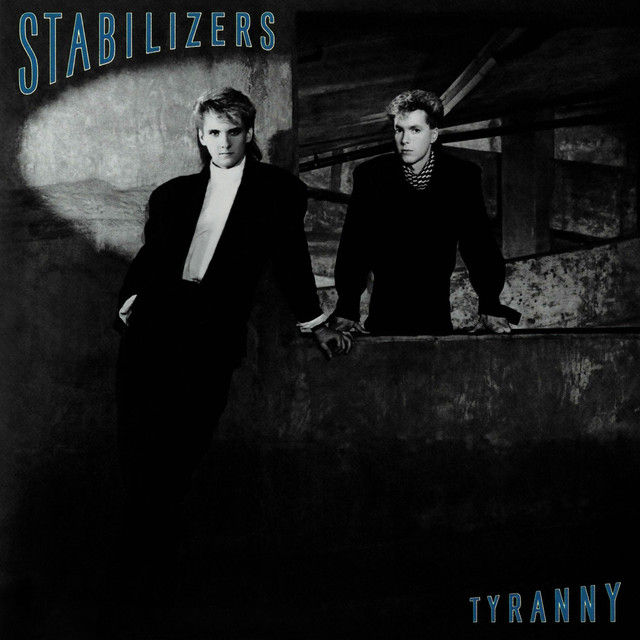
Stabilizers
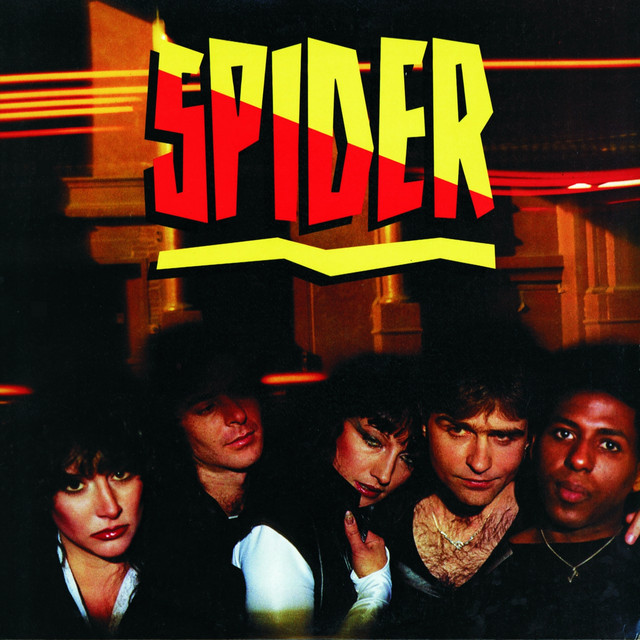
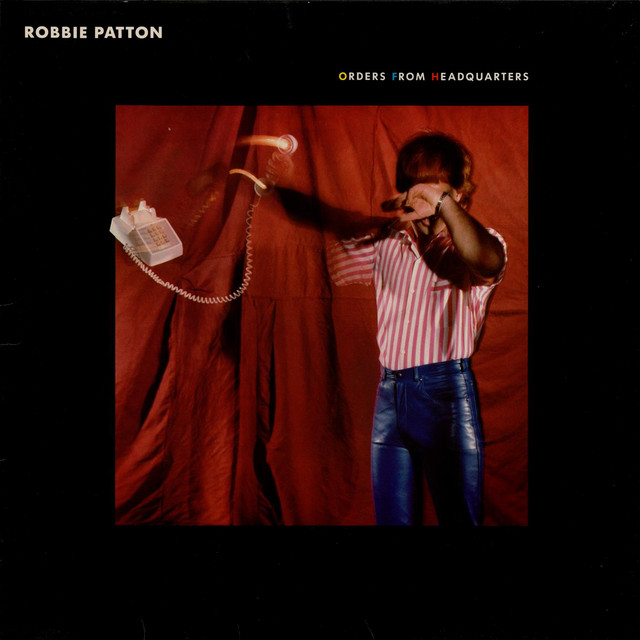

So
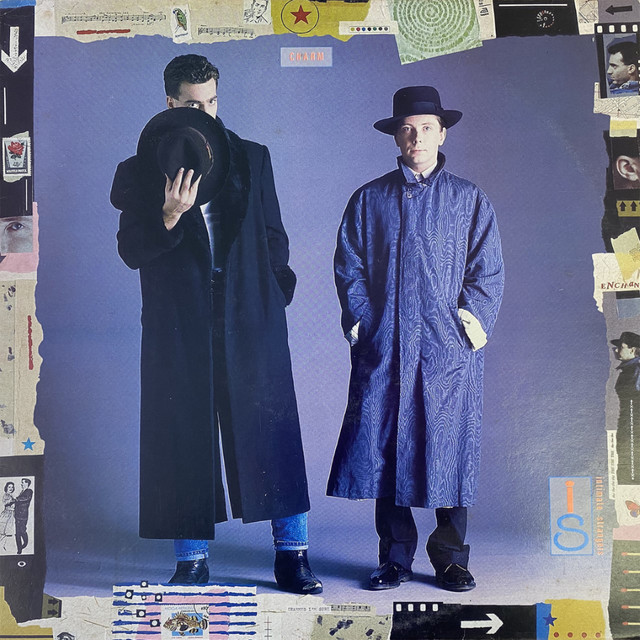
Intimate Strangers
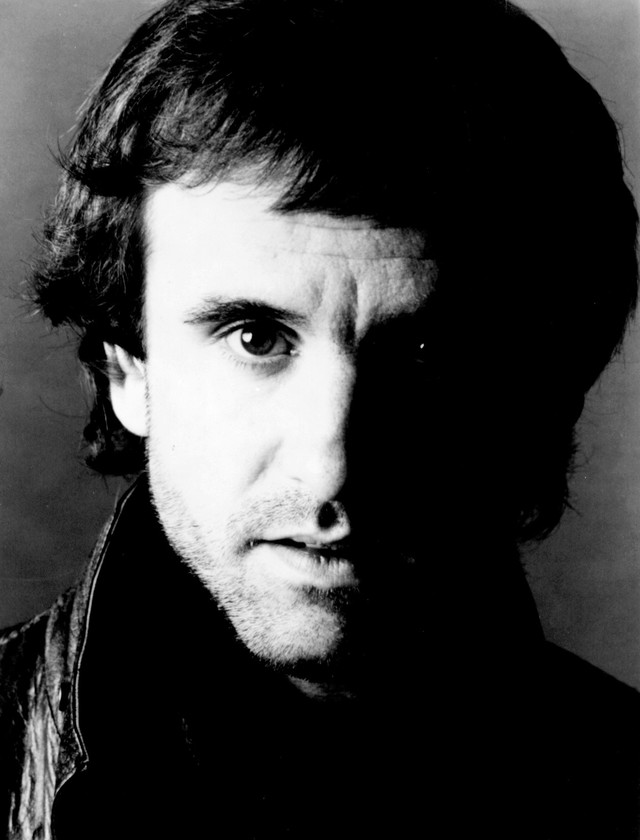


Taxxi
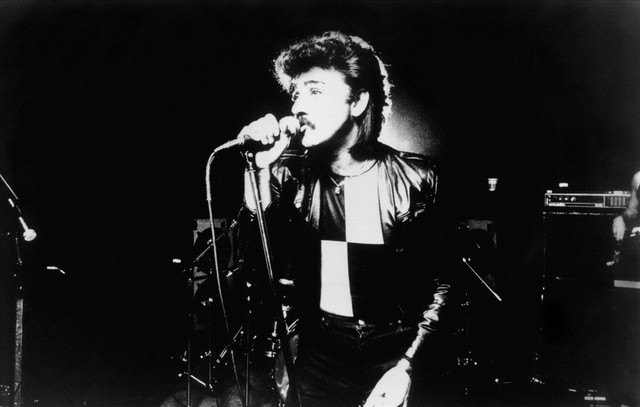
Steel Breeze
Novo Combo

Cats Can Fly

Glass Moon

Roman Grey
Private Lives
Jon Butcher Axis

The Nobodys

Shy Talk

Tané Cain


Robert Hazard & The Heroes
![Eye ][ Eye](https://i.scdn.co/image/ab67616d0000b273bc13a518f3e091943a76d98d)