Data may be outdated
Last updated: 9 months ago — Click refresh to get the latest statistics.
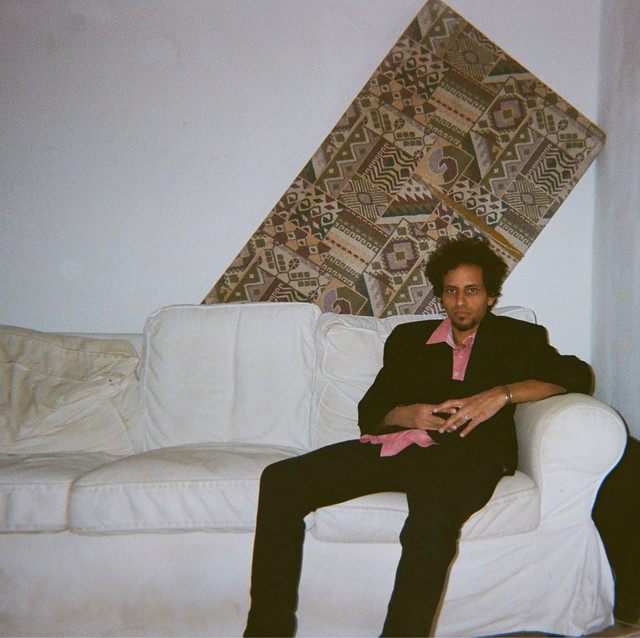
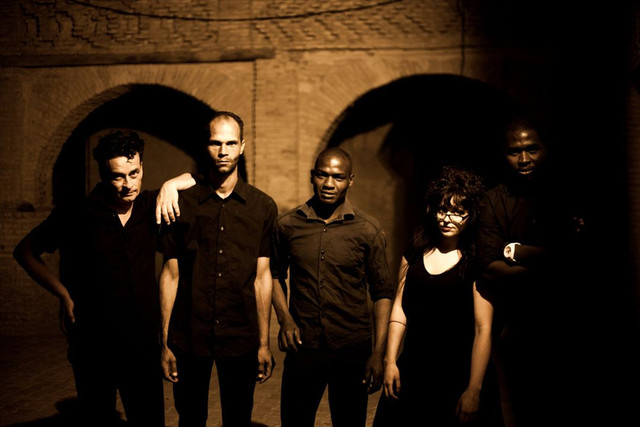
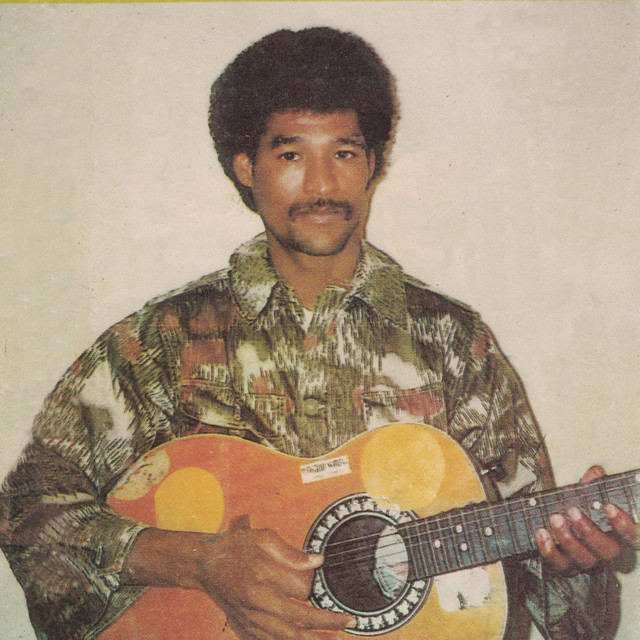
Group Doueh play raw and unfiltered Sahrawi music from the former colonial Spanish outpost of the Western Sahara. Formed by guitarist-leader Salmou "Doueh" Bamaar (aka Doueh, pronounced “Doo-way”) in the early part of the 21st century, the core of the ever-evolving band also included his wife Halima.
Doueh has been a performer for most of his life, beginning with rock groups he played in as a child. He claims his two biggest influences as <a href="spotify:artist:776Uo845nYHJpNaStv1Ds4">Jimi Hendrix</a> and <a href="spotify:artist:7GaxyUddsPok8BuhxN6OUW">James Brown</a>. He began leading his own bands in the '80s, eventually bringing in the Sahrawi tradition to combine with Western pop and R&B styles, resulting in his 2012 effort. Group Doueh's sound is mostly loud, brash, and distorted. Their tunes are either traditionally sung poems in the Hassania language, or modern originals based on the Sahrawi musical lineage, which contains the same basic modal structure similar as Mauritanian music, with lots of handclaps and call-and-response vocals. Group Doueh’s style, however, is a much looser appropriation, infused with a western guitar attack that relies as much on <a href="spotify:artist:776Uo845nYHJpNaStv1Ds4">Hendrix</a> as it does the tradition. As a result, there is a very playful pop element in their music which sets it apart from other music in the region.
Group Doueh's debut album, Guitar Music from the Western Sahara, appeared on <a href="spotify:search:label%3A%22Sublime+Frequencies%22">Sublime Frequencies</a> in 2007; it was a compilation of homemade recordings. This was followed by Treeg Salaam in 2009, another set of handpicked early recordings. Beatte Harab appeared in 2010 and changed up the game. It was a new recording that employed Mauritanian tinidit lute, acoustic as well as electric guitars, and the ardin (an African harp) in sharp contrast to the two earlier albums. Group Doueh returned to the rock & roll side of the spectrum with 2011's Zayna Jumma, which also featured keyboards and a trap kit. ~ Thom Jurek, Rovi
Doueh has been a performer for most of his life, beginning with rock groups he played in as a child. He claims his two biggest influences as <a href="spotify:artist:776Uo845nYHJpNaStv1Ds4">Jimi Hendrix</a> and <a href="spotify:artist:7GaxyUddsPok8BuhxN6OUW">James Brown</a>. He began leading his own bands in the '80s, eventually bringing in the Sahrawi tradition to combine with Western pop and R&B styles, resulting in his 2012 effort. Group Doueh's sound is mostly loud, brash, and distorted. Their tunes are either traditionally sung poems in the Hassania language, or modern originals based on the Sahrawi musical lineage, which contains the same basic modal structure similar as Mauritanian music, with lots of handclaps and call-and-response vocals. Group Doueh’s style, however, is a much looser appropriation, infused with a western guitar attack that relies as much on <a href="spotify:artist:776Uo845nYHJpNaStv1Ds4">Hendrix</a> as it does the tradition. As a result, there is a very playful pop element in their music which sets it apart from other music in the region.
Group Doueh's debut album, Guitar Music from the Western Sahara, appeared on <a href="spotify:search:label%3A%22Sublime+Frequencies%22">Sublime Frequencies</a> in 2007; it was a compilation of homemade recordings. This was followed by Treeg Salaam in 2009, another set of handpicked early recordings. Beatte Harab appeared in 2010 and changed up the game. It was a new recording that employed Mauritanian tinidit lute, acoustic as well as electric guitars, and the ardin (an African harp) in sharp contrast to the two earlier albums. Group Doueh returned to the rock & roll side of the spectrum with 2011's Zayna Jumma, which also featured keyboards and a trap kit. ~ Thom Jurek, Rovi
Monthly Listeners
1,925
Monthly Listeners History
Track the evolution of monthly listeners over the last 28 days.
Followers
2,596
Followers History
Track the evolution of followers over the last 28 days.
Top Cities


Related Artists
Cheveu
Goatman

Guadal Tejaz

Sweat Like An Ape!

Chocolat Billy

Tallawit Timbouctou

Usé
A trois dans les WC

Phoenician Drive
Abschaum
Jalil Bennis Et Les Golden Hands


Mazalda

Baston