Data may be outdated
Last updated: 1 month ago — Click refresh to get the latest statistics.
Born in 1952 in a suburb of Buenos Aires, Santaolalla began taking guitar lessons at age five without learning to read music. During his teens he formed the band <a href="spotify:artist:1fl6UrQ5p2aQQwKfkrPNpW">Arco Iris</a> with Ara Tokatlián and <a href="spotify:artist:1iDwXcvQyGpQQaOZCsr8jK">Guillermo Bordarampé</a>; Santaolalla served as singer, songwriter, and guitarist. Fusing rock with Latin American folk music, <a href="spotify:artist:1fl6UrQ5p2aQQwKfkrPNpW">Arco Iris</a> released several acclaimed albums -- Arco Iris (1969), Tiempo de Resurrección (1972), Sudamérica o el Regreso a la Aurora (also 1972), Inti Raymi (1973), and Agitor Lucens V (1975), his last with the band.
Santaolalla next formed Soluna, a band that also included <a href="spotify:artist:6ESkuwldylZr39AIAPC63J">Alejandro Lerner</a> and Mónica Campins. Soluna released one album, Energia Natural (1977), and toured sporadically before he decided to leave Argentina for Los Angeles in 1978. Santaolalla's exodus was in response to the murderous reign of military general Jorge Rafael Videla, who "disappeared" some 30,000 citizens.
Santaolalla knew no one in Los Angeles and no one knew him. He started from scratch. Enamored with the fledging punk and new wave scenes of the time, he started Wet Picnic with fellow ex-pat Argentine Anibal Kerpel. The band played loads of gigs and eventually released the EP Balls Up (1982). The collaboration between Santaolalla and Kerpel in Wet Picnic established a working relationship between the two that endured into the 21st century.
Santaolalla also began his work as a producer. His U.S. production debut came from helming three songs for Argentine folk legend <a href="spotify:artist:5yoimVE1rbc3kAx4uwr7eq">León Gieco</a> that appeared on 1981's Pensar en Nada. He and <a href="spotify:artist:5yoimVE1rbc3kAx4uwr7eq">Gieco</a> often worked together afterward. That year, Santaolalla composed the soundtrack for director Robert Dornhelm's film She Dances Alone. He also produced and played on Better Luck, the second album from garage band <a href="spotify:artist:127RyigSZctdc1f5Sq5YW5">the Plugz</a>, led by Tito Larriva. A couple of its songs ended up on the Repo Man soundtrack. Santaolalla still enjoyed popular and music industry support in Argentina. In 1982 he recorded a self-titled solo album with keyboardist <a href="spotify:artist:6ESkuwldylZr39AIAPC63J">Alejandro Lerner</a>, bassist Alfredo Toth, and drummer Willy Iturri. It charted at home.
Santaolalla returned to his homeland in the wake of the country's 1983 presidential election, which brought Raúl Alfonsín to power. The producer reunited with <a href="spotify:artist:5yoimVE1rbc3kAx4uwr7eq">Gieco</a> for an ambitious project that would be documented in various mediums. For roughly two years, the pair traveled from the southernmost region of Argentina to the northernmost, recording and playing with folk musicians in their own environments; Santaolalla produced the results using generators to power his recording equipment. De Ushuahia a La Quiaca was released in 1985 and proved successful enough to spawn two follow-up volumes, as well as several documentary television programs. The project was beneficial to Santaolalla in a more important way too: He was introduced to his future wife, the award-winning photographer Alejandra Palacios, who documented the project.
Emboldened by the success of De Ushuahia a La Quiaca, Santaolalla dedicated himself to production work. He turned his focus to Mexico, which was undergoing political, economic and cultural upheavals during the late 1980s following 1985's Mexico City earthquake. Santaolalla knew from personal experience that great art and artists often emerge from conflict and crisis, and he revealed his appetite for rock music, especially given the influence of <a href="spotify:artist:7An4yvF7hDYDolN4m5zKBp">Soda Stereo</a> so prevalent across Latin America at the time. Santaolalla began to produce rock albums. In particular, he helmed the boards for <a href="spotify:artist:6WvDtNFHOWHfiNy8NVHujT">Maldita Vecindad</a>'s Y Los Hijos del Quinto Patio (1989); El Circo (1991), and <a href="spotify:artist:1GImnM7WYVp95431ypofy9">Caifanes</a>' El Diablito (1990); all greatly inspired and facilitated the emergence of the rock en español movement. His work wasn't exclusively devoted to Mexican artists, however. He also produced albums by <a href="spotify:artist:2mSHY8JOR0nRi3mtHqVa04">Los Prisioneros</a> (Chile) and <a href="spotify:artist:6ZIgPKHzpcswB8zh7sRIhx">El Divididos</a> (Argentina), but he was primarily interested in Mexico; partly because of its proximity to Los Angeles, but more importantly, because of its cultural atmosphere at the time, which was reminiscent of Argentina's during his youth. In the midst of the rock en español uprising, Santaolalla heard the fledgling <a href="spotify:artist:09xj0S68Y1OU1vHMCZAIvz">Café Tacuba</a>, the band his production work would forever be associated with. He arranged a contract for the band with <a href="spotify:search:label%3A%22WEA+Latina%22">WEA Latina</a>, and produced their 1992 self-titled debut effort.
In addition to producing three more <a href="spotify:artist:09xj0S68Y1OU1vHMCZAIvz">Café Tacuba</a> albums that decade (Re, Avalancha de Excitos, Reves/Yosoy), Santaolalla produced many popular acts during the '90s including <a href="spotify:artist:3jc496ljiyrS3ECrD7QiqL">the Gipsy Kings</a>, <a href="spotify:artist:2QWIScpFDNxmS6ZEMIUvgm">Julieta Venegas</a>, <a href="spotify:artist:27Owkm4TGlMqb0BqaEt3PW">Molotov</a>, <a href="spotify:artist:3SqzxvGCKGJ9PYKXXPwjQS">Fobia</a>, <a href="spotify:artist:2cYeADErfbwZ0xIP19KeWD">Peyote Asesino</a>, Bersuit Vergarabat, and <a href="spotify:artist:0Dn3AfYwq9cWRhDqtfelNE">Puya</a>.
He also recorded a pair of solo albums, G.A.S. (1995), a rock album, and Ronroco (1998), an acoustic instrumental offering that showcased the ronroco and charango, traditional Andean string instruments from the lute family. Ronroco, issued by Nonesuch, attracted the attention of producer/director <a href="spotify:artist:7AypNU6l8yt6eA4mG6vVL2">Michael Mann</a>, who requested to use "Iguazu" in his 1999 film The Insider, and Santaolalla found himself with several scoring and soundtrack opportunities.
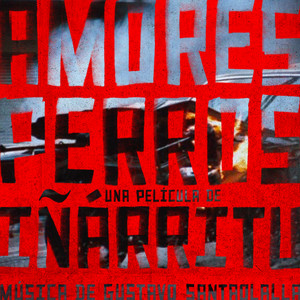
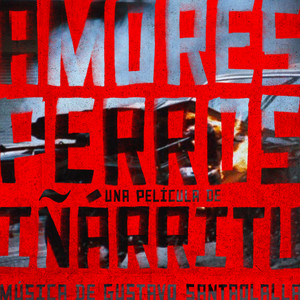
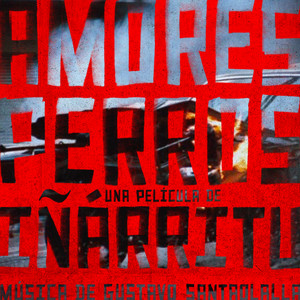
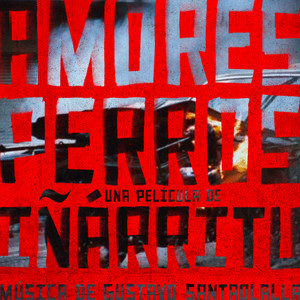
First came the 2000 score and soundtrack for Alejandro González Iñárritu's Amores Perros. It offered original music by Santaolalla, as well as newly recorded songs from <a href="spotify:artist:2QWIScpFDNxmS6ZEMIUvgm">Venegas</a>, <a href="spotify:artist:628gUkswCfCS1hIOOHmIpK">Control Machete</a>, <a href="spotify:artist:2Rc3Tb5XUPF1YlnQwuPgjg">Illya Kuryaki & the Valderramas</a>, and <a href="spotify:artist:1ne2c2YEgt4MmJCJGCsfsZ">Ely Guerra</a>. Both the film and soundtrack earned international accolades and charted. In 2001, Santaolalla co-founded the South American supergroup <a href="spotify:artist:43RFHTd73eBSSdLOPRb4ZG">Bajofondo Tango Club</a> (later <a href="spotify:artist:4Wk0MW9d5uu6WbAgRCuH4O">Bajofondo</a>) as a studio project that created a contemporary version of tango and other styles from the Río de la Plata region. Their self-titled debut appeared that year. Santaolalla scored and wrote the soundtrack for Iñárritu's 21 Grams in 2003. The following year, his production on <a href="spotify:artist:09xj0S68Y1OU1vHMCZAIvz">Cafe Tacuba</a>'s Cuatros Caminos resulted in a Grammy win for Best Latin Rock or Alternative Album.
After being introduced to Brazilian director Walter Salles by Iñárritu, Santaolalla was invited to compose the soundtrack for the former's 2004 film The Motorcycle Diaries. His score won a BAFTA Award (British Academy Award) in February 2005. The year proved fateful. He won a Latin Grammy Award for Producer of the Year for work on no less than seven albums, including helming the sessions for <a href="spotify:artist:0UWZUmn7sybxMCqrw9tGa7">Juanes</a>' Mi Sangre.
In 2003 Santaolalla met Taiwanese-American director Ang Lee, who had been hired to film Brokeback Mountain, based on a short story by Annie Proulx. After reading the script, Santaolalla composed the score and recorded the soundtrack before the film was even shot. It opened in late 2005, and garnered Santaolalla massive media attention. He won a Golden Globe for "A Love That Will Never Grow Old," an original song co-written with <a href="spotify:artist:5lzPV4EKWYxEUk38UcFBVH">Bernie Taupin</a> and performed by <a href="spotify:artist:5s6TJEuHTr9GR894wc6VfP">Emmylou Harris</a>, and a 2006 Oscar Best Score.
Santaolalla used his clout to unite a who's-who of Argentine tango legends for a documentary film and a recording and performance project by Salles. It featured 18 legendary musicians and singers, including Emilio Balcarce, <a href="spotify:artist:685XBGoHznr4Ps7cxCSzLZ">Carlos Garcia</a>, <a href="spotify:artist:6ZCEriaoNM29iADfHMGNHX">Osvaldo Berlingieri</a>, <a href="spotify:artist:3l9sNbRTss6iqUdZq6R8Wc">Virginia Luque</a>, and <a href="spotify:artist:0VlP1rHAiBNxelGn7B5JC8">Lágrima Ríos</a>. None were under the age of 70. Most of the participants performed at a filmed, sold-out concert at Buenos Aires' Teatro Colón on August 24, 2006. Subsequently, Santaolalla released a two-volume compilation from the show. Café de los Maestros won that year's Latin Grammy for Best Tango Album. He continued to work in film and pop. For his score and sountrack to Iñárritu's 2006 film Babel, he learned to play the oud in order to provide the film's soundtrack with a Middle Eastern flair. It earned him an Oscar.
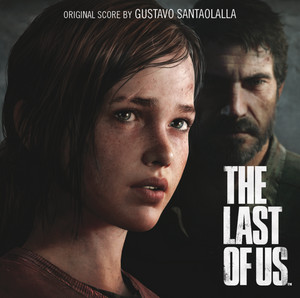
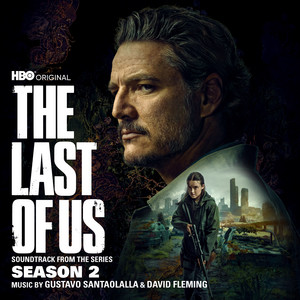
Over the next six years, Santaolalla produced and played on many recordings. They included including <a href="spotify:artist:0rSTXALHu0EKAawPLBdODH">Marisa Monte</a>'s O Que Você Quer Saber De Verdade, <a href="spotify:artist:0yNSzH5nZmHzeE2xn6Xshb">Calle 13</a>'s Tango del Pecado, <a href="spotify:artist:2HvyR5FsU37QMqVzIbGwl7">Mercedes Sosa</a>'s Cantora, <a href="spotify:artist:2QWIScpFDNxmS6ZEMIUvgm">Venegas</a>' MTV Unplugged, <a href="spotify:artist:09xj0S68Y1OU1vHMCZAIvz">Cafe Tacuba</a>'s Sino, and <a href="spotify:artist:0UWZUmn7sybxMCqrw9tGa7">Juanes</a>'s La Vida… Es Un Ratico -- the latter won a Grammy for Best Latin Pop Album. Further, he either scored or wrote songs for no fewer than eight films, including Iñárritu's Biutiful (2010). In 2011 he wrote the soundtrack to Thierry Klifa's Les Yeux de Sa Mère and Salles' cinematic adaptation of <a href="spotify:artist:6rkTjnYzrPQ4nQ0TAYIwBC">Jack Kerouac</a>'s On the Road and, with <a href="spotify:artist:6krMKleBJfXYPdCP5q3ypW">Kevin Kiner</a>, wrote the soundtrack and scored the first season of the AMC television series Hell On Wheels. In 2013, Santaolalla made his first foray writing and recording soundtracks for video games with the globally acclaimed, award-winning survival horror title The Last of Us.
In 2014, Santaolalla collaborated with songwriter <a href="spotify:artist:3f626JSVauIhTQgatsFcs4">Paul Williams</a> on a theatrical musical work based on Guillermo del Toro's film Pan's Labyrinth, as well as the animated feature film The Book of Life (produced by the director). Santaolalla continued to record and tour globally with <a href="spotify:artist:4Wk0MW9d5uu6WbAgRCuH4O">Bajofondo</a>; the former also taught master classes. In July, Santaolalla released the solo instrumental album Camino through <a href="spotify:search:label%3A%22Sony+Music+Masterworks%22">Sony Music Masterworks</a>. In 2015, he was inducted into the Latin Songwriters Hall of Fame and provided the score for the Netflix-exclusive documentary series Making a Murderer. He also contributed a score and cues for Argentine filmmaker Damián Szifron's Relatos Salvajes.
The following year, Santaolalla contributed several compositions to the collaborative soundtrack for Fisher Stevens and Leonardo DiCaprio's documentary Before the Flood, and released the album Qhapaq Ñan, featuring the song "Desandando el Camino."
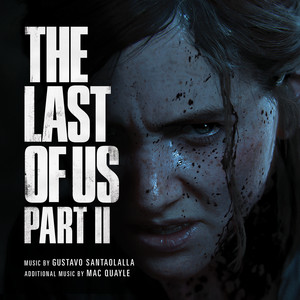
In 2017, Santaolalla issued the live full-band recording Raconto, and scores for the films Eric Clapton: A Life in 12 Bars, To End a War, and Thierry Klifa's Tout Nous Sépare. In 2019, the video game soundtrack The Last of Us, Vol. 2 was released to universal acclaim and streaming chart success.
Santaolalla scored and wrote the soundtrack for Hulu's limited-run series Monsterland, based on Nathan Ballingrud' s short story collection North American Lake Monsters; it saw only an acclaimed streaming release at the time. In addition, remastered editions of 1982's Santaolalla and 1995's G.A.S. were issued by <a href="spotify:search:label%3A%22Ditto+Music%22">Ditto Music</a>. In 2021, he and Alfonso G. Aguilar recorded scores for both seasons of Amazon Studios' series El Cid, and Santaolalla followed solo with El Cid: Themes and Inspirations. He also contributed to the soundtrack for Netflix's animated series Maya and the Three, and scored the film Finch for Apple Studios. In 2022, a physical release of Monsterland's soundtrack was released by <a href="spotify:search:label%3A%22Death+Waltz+Recording+Company%22">Death Waltz Recording Company</a> via <a href="spotify:search:label%3A%22Light+in+the+Attic%22">Light in the Attic</a>. ~ Jason Birchmeier & Thom Jurek, Rovi
Monthly Listeners
1.9 million
Monthly Listeners History
Track the evolution of monthly listeners over the last 28 days.
Followers
429,867
Followers History
Track the evolution of followers over the last 28 days.
Total Streams
948.3 million
Total Streams History
Track the evolution of total streams over the last 28 days. This data is calculated from all tracks listed in the artist's discography.
Top Cities



Related Artists



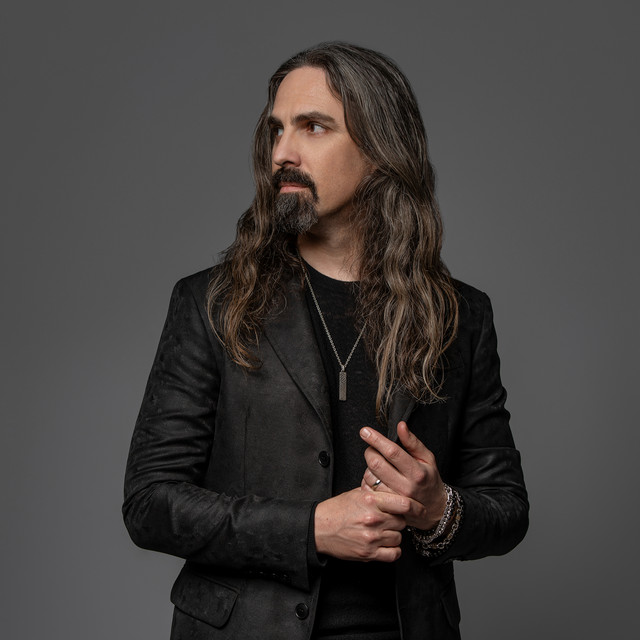
Bear McCreary

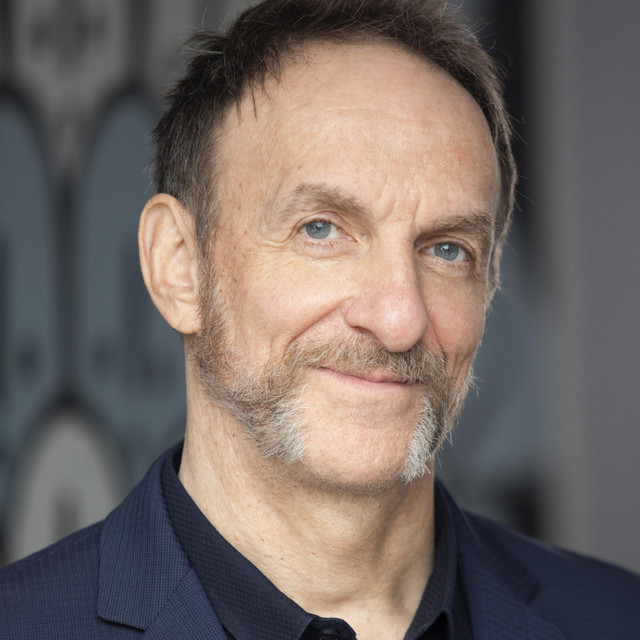
Mychael Danna
Philip Sheppard

Daniel Lanois
John Powell

Dan Romer
John Murphy
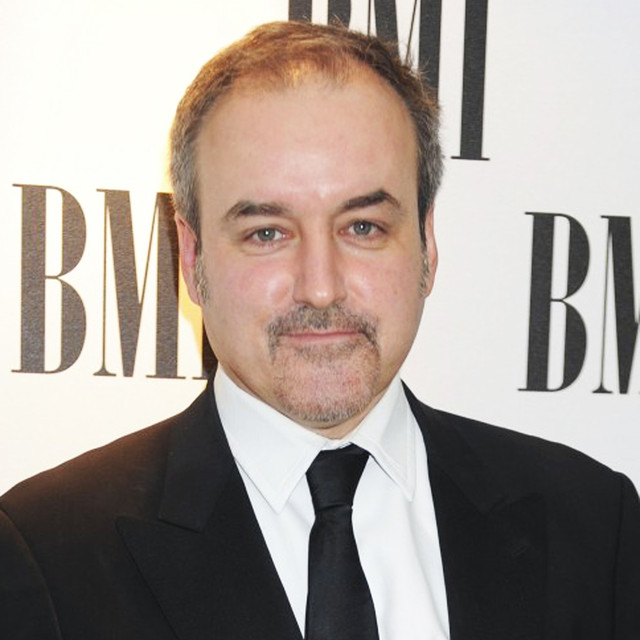
David Arnold


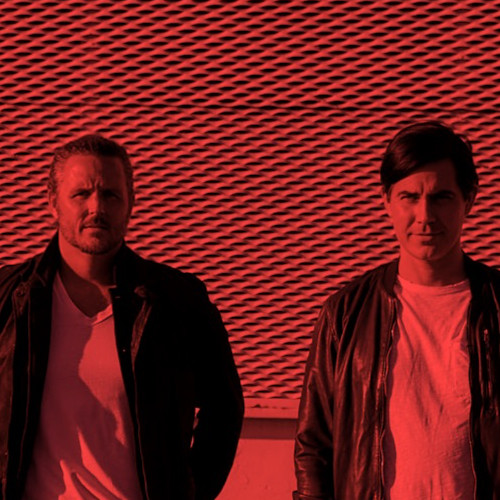
The Newton Brothers


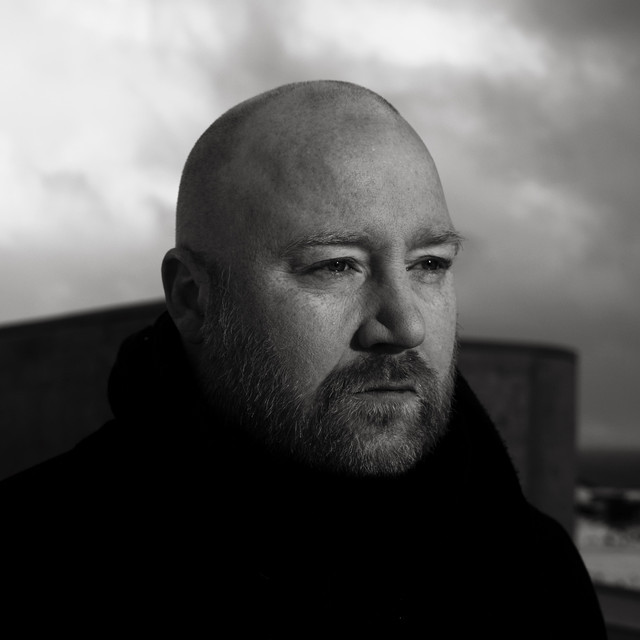

Ilan Eshkeri


Volker Bertelmann
Rob Simonsen