Data may be outdated
Last updated: 9 months ago — Click refresh to get the latest statistics.
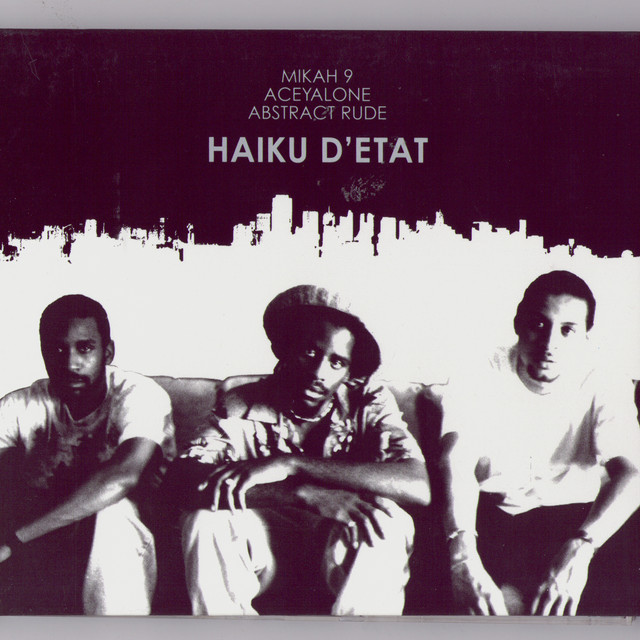
Haiku D'Etat was more a makeshift hip-hop revolution, or perhaps a temporary force of nature, than a genuine rap group; although "supergroup" is certainly a decent enough beginning, as far as descriptions go, for this magnificent if entirely too short-lived project. An explosive one-off, Haiku D'Etat came to fruition as a result of the teaming up of three of the most gifted West Coast MCs ever to trade tongue-twisting similes and extended metaphors: <a href="spotify:artist:7FVQkjAJV2qyeeY0eLMyEz">Mikah 9</a> and the legendary <a href="spotify:artist:7CaUk9xCxdXAmmqQn3PLR7">Aceyalone</a> of the fabled and much lamented <a href="spotify:artist:0IXabnQgJf7eO1hIF71YS9">Freestyle Fellowship</a>, and <a href="spotify:artist:7MnHRy1wlNojYiwYFJ8H7D">Abstract Rude</a> of fellow Angelino mavericks <a href="spotify:artist:1T8owVLAREtbVoXW2tcfnC">Abstract Tribe Unique</a>. Matching their superior microphone skills to a lush bed of live instrumentation, the trio recorded a sole, practically undistributed self-titled album in 1999 (reissued the next year on tiny indie label Pure Hip Hop, Inc.) that played to rapturous reviews (including a spot on Robert Christgau's "Dean's List" for the Village Voice's famed year-end "Pazz & Jop" poll) but next to nil in sales. As deserving of being called a particularly melodious poetry outing -- with its penchant for labyrinthine wordplay and bohemian effortlessness -- as a rap album, its three creators returned to their own solo and group projects soon after its release, leaving Haiku D'Etat as one of those albums destined to go undeservedly neglected but deservedly revered. ~ Stanton Swihart, Rovi
Monthly Listeners
11,719
Monthly Listeners History
Track the evolution of monthly listeners over the last 28 days.
Followers
15,889
Followers History
Track the evolution of followers over the last 28 days.
Top Cities
230 listeners

187 listeners
178 listeners
165 listeners

162 listeners

Related Artists
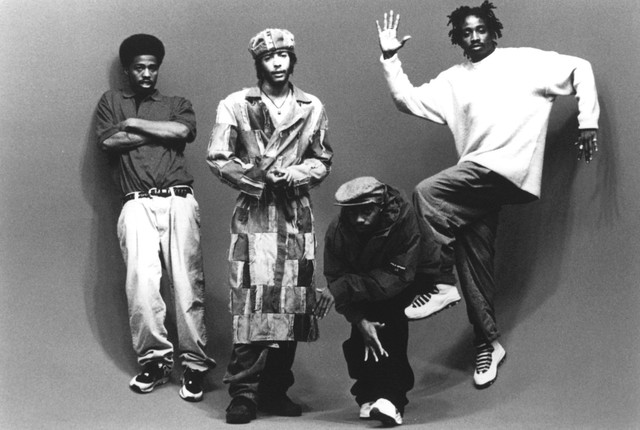
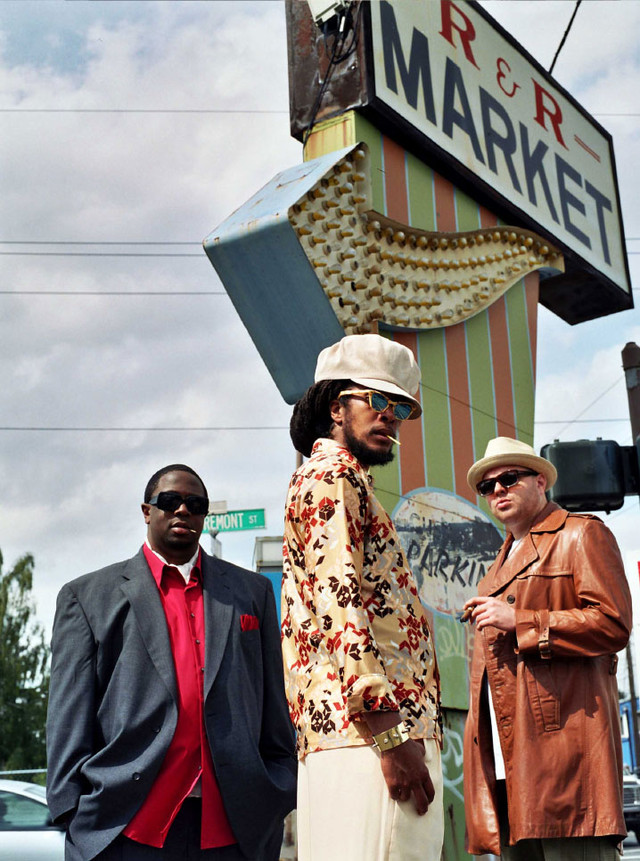

DJ Abilities
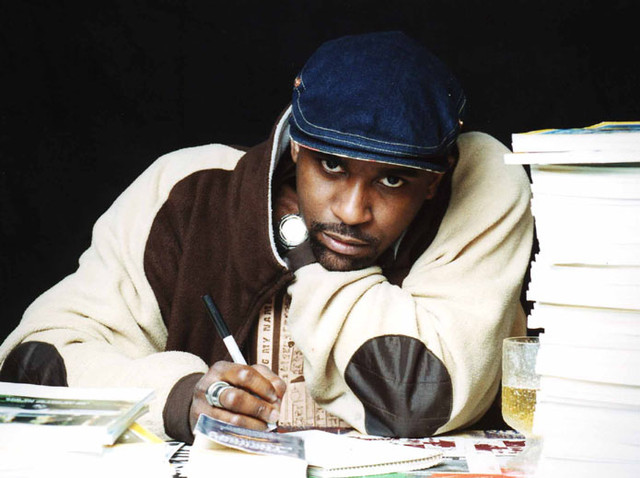







Illogic



Dark Time Sunshine