Data may be outdated
Last updated: 6 months ago — Click refresh to get the latest statistics.
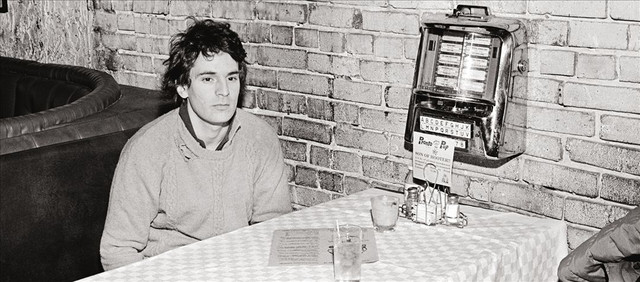
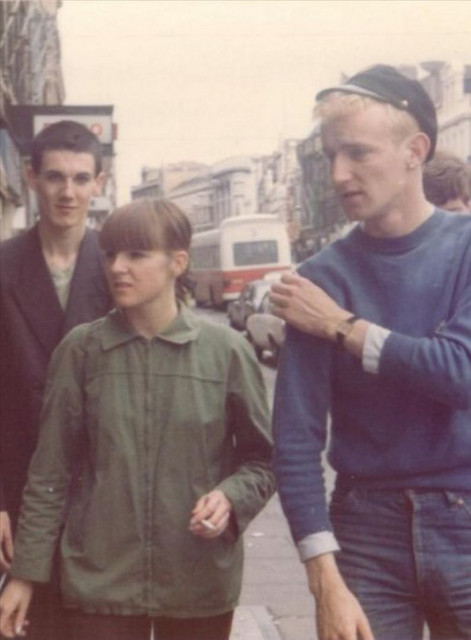
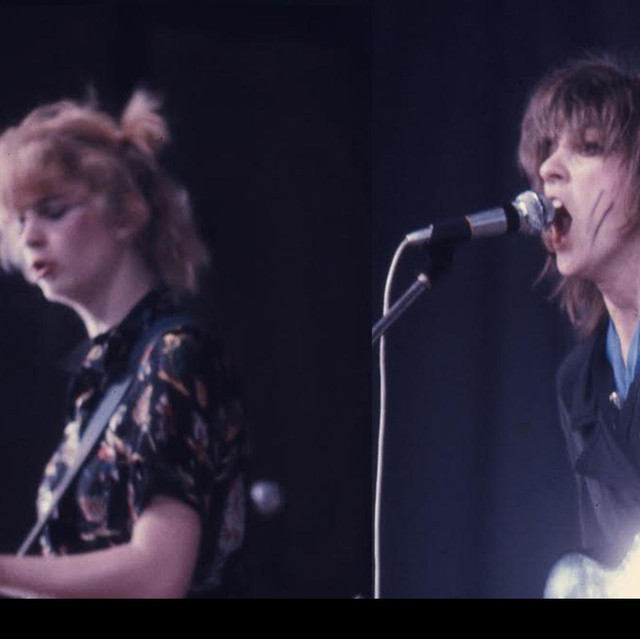
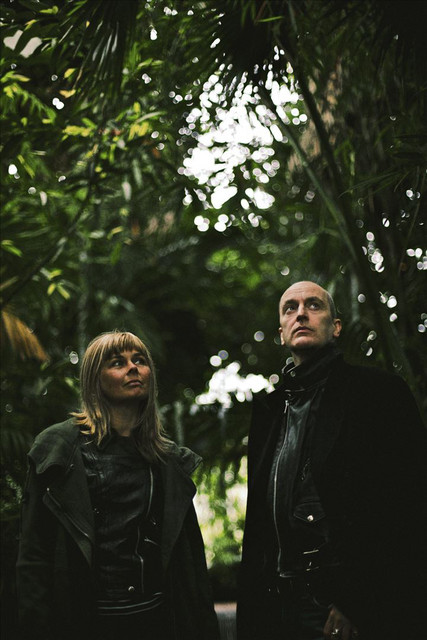
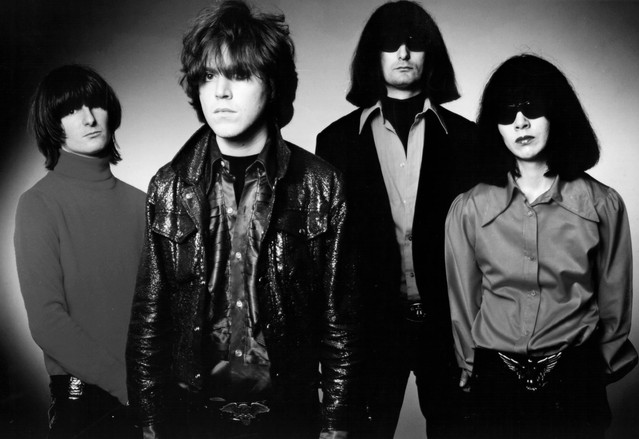
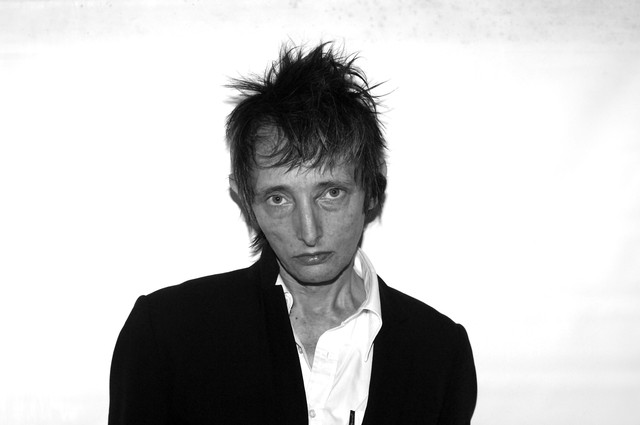
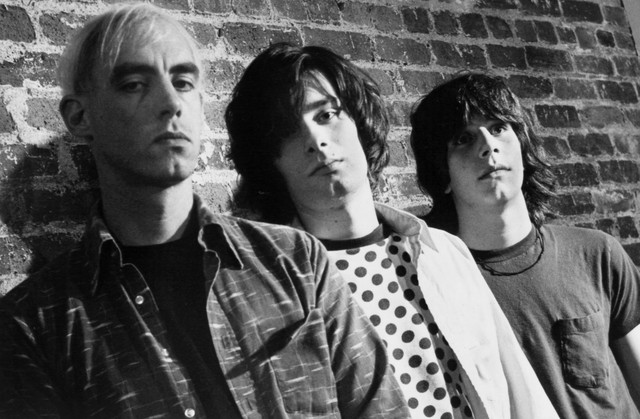
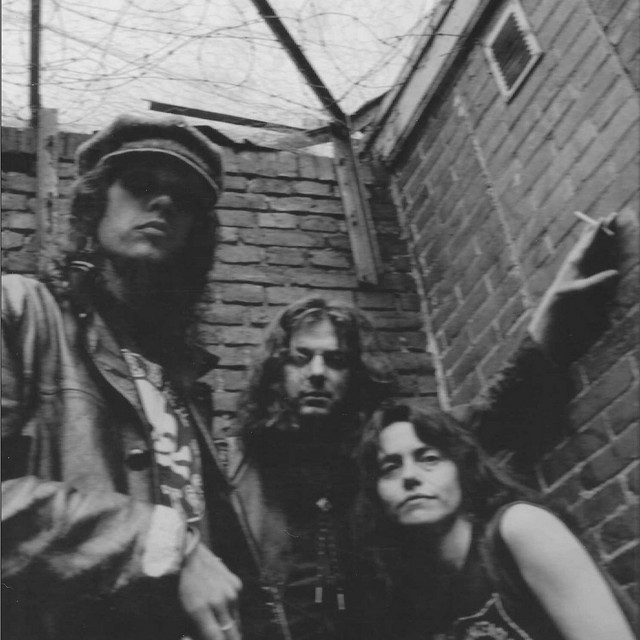
Half Japanese's proponents saw them as the epitome of a pure, unbridled enthusiasm for rock & roll, the ultimate expression of punk's dictum that rock should be accessible to anyone who wanted to pick up an instrument and play. Detractors found them gratingly noisy, borderline unlistenable, and too self-conscious and willful about their naïveté. Early on, with less outside influence, their work was more chaotic and cathartic; as time passed, <a href="spotify:artist:12EDLhbEHUWZoW8vk7jyQw">David Fair</a> became a sporadic contributor, and the prolific <a href="spotify:artist:3xx5PhUhJZ9ADhd7RlC00C">Jad</a> built a core of semi-regular backing musicians who brought a rudimentary sense of songcraft to the proceedings.
<a href="spotify:artist:3xx5PhUhJZ9ADhd7RlC00C">Jad</a> and <a href="spotify:artist:12EDLhbEHUWZoW8vk7jyQw">David Fair</a> formed Half Japanese in their bedroom in the mid-'70s. Accounts differ as to exactly when (somewhere between 1975-1977) and where (either Michigan or their eventual base of Maryland; the family apparently moved around a lot). It is known that the brothers made their first home recordings in 1977, issuing their debut EP that year, Calling All Girls, on their own <a href="spotify:search:label%3A%2250+Skidillion+Watts%22">50 Skidillion Watts</a> label. Several homemade cassettes circulated in the underground, which resulted in a deal with the small British independent <a href="spotify:search:label%3A%22Armageddon%22">Armageddon</a>. In 1980, Half Japanese became the first band in history to release a three-record box set as its debut album; 1/2 Gentlemen/Not Beasts collected some of their earlier home recordings, while throwing in barely recognizable covers (<a href="spotify:artist:3RwQ26hR2tJtA8F9p2n7jG">the Temptations</a>, <a href="spotify:artist:3wYyutjgII8LJVVOLrGI0D">Buddy Holly</a>, <a href="spotify:artist:74ASZWbe4lXaubB36ztrGX">Bob Dylan</a>) and sound experiments cobbled together from guitar noise, electronics, and odd effects. Yet their primary influences were clearly the minimalism of <a href="spotify:artist:1nJvji2KIlWSseXRSlNYsC">the Velvet Underground</a> and the innocence of <a href="spotify:artist:6hkch2KhRl0tywpeVK5xR5">Jonathan Richman</a>, with some <a href="spotify:artist:33EUXrFKGjpUSGacqEHhU4">Iggy Pop</a> angst at times. Over the years, 1/2 Gentlemen/Not Beasts became something of a cult legend (helped out by its scarcity), and foreshadowed the lo-fi movement of early-'90s indie rock.
A second album for <a href="spotify:search:label%3A%22Armageddon%22">Armageddon</a>, the aptly titled Loud, followed in 1981; it matched the brothers' atonal squall and stream-of-consciousness compositions with a supporting cast of free jazz musicians. The Horrible EP -- a collection of songs paying tribute to horror movies -- followed on <a href="spotify:search:label%3A%22Press%22">Press</a> in 1983. Around that time, <a href="spotify:artist:3xx5PhUhJZ9ADhd7RlC00C">Jad Fair</a> began a concurrent and equally prolific solo career, releasing records under his own name, and in collaborative side projects well into the '90s. Moving to the <a href="spotify:search:label%3A%22Iridescence%22">Iridescence</a> label, Half Japanese took a musical step forward on 1984's Our Solar System, which flitted between rock and improvised chamber jazz while using different musicians in different contexts. Some of those musicians -- multi-instrumentalist John Dreyfuss, guitarist <a href="spotify:artist:5XDN6vK4xhmUAx5VAvfP7C">Don Fleming</a> (also of <a href="spotify:artist:0quYJv2EZ2SBMvvdDQDRTm">B.A.L.L.</a>, <a href="spotify:artist:6p4lIBEeFf85eTOVhNKtcj">the Velvet Monkeys</a>, and <a href="spotify:artist:7AKcqr7g4ap7U8WP69yRpa">Gumball</a>), bassist/guitarist Mark Jickling, and drummer Jay Spiegel among them -- would continue to work with Half Japanese in the years to come. Featuring many of the same musicians, the follow-up, 1984's Sing No Evil, was an even greater concession to accessibility (relatively speaking, of course) with its improved sense of songwriting and structure; it's still acclaimed by many as one of the band's best works.
<a href="spotify:search:label%3A%22Iridescence%22">Iridescence</a> subsequently went under, and the band revived its <a href="spotify:search:label%3A%2250+Skidillion+Watts%22">50 Skidillion Watts</a> imprint with help from an avowed fan, magician <a href="spotify:artist:1boXTgYsSQhGq0ymEK2otC">Penn Jillette</a>. In 1987, <a href="spotify:artist:12EDLhbEHUWZoW8vk7jyQw">David Fair</a> took a temporary leave of absence to attend to his family; for the remainder of the band's existence, he would come and go as time permitted. Recording without his brother for the first time (as Half Japanese), <a href="spotify:artist:3xx5PhUhJZ9ADhd7RlC00C">Jad Fair</a> worked with <a href="spotify:search:label%3A%22Shimmy+Disc%22">Shimmy Disc</a> label honcho <a href="spotify:artist:1jacVtMSOup3dqdSEeegZg">Kramer</a> on 1987's Music to Strip By, which spun off the single "U.S. Teens Are Spoiled Bums" and continued the trend toward greater musicality. <a href="spotify:artist:12EDLhbEHUWZoW8vk7jyQw">David Fair</a> returned for 1988's upbeat Charmed Life, which earned some of the strongest reviews of Half Japanese's career. He had departed once again by the time of the more experimental follow-up, 1989's The Band That Would Be King, which found <a href="spotify:artist:3xx5PhUhJZ9ADhd7RlC00C">Jad Fair</a> backed by <a href="spotify:artist:1jacVtMSOup3dqdSEeegZg">Kramer</a> and free improvisation gurus <a href="spotify:artist:3gkJ7lXtLpE4KauFHpk2vK">John Zorn</a> and <a href="spotify:artist:4KMt98IljgbTUeeU9KAu7y">Fred Frith</a>, along with several semi-regular bandmembers. The loose, spontaneous vibe carried over to the next album, 1990's uneven We Are They Who Ache with Amorous Love, which appeared on the New Jersey label <a href="spotify:search:label%3A%22T.E.C.+Tones%22">T.E.C. Tones</a>. It featured a large cast of Half Japanese cohorts past and present, including the musicians who would anchor the '90s lineup: guitarist John Sluggett, Swiss-born drummer Gilles-Vincent Rieder, guitarist/bassist Mick Hobbs, and bassist <a href="spotify:artist:4g1vHoNiW1GXmhgUZ82KIX">Jason Willett</a>, plus longtime supporter Mark Jickling.
The year 1993 brought Half Japanese the greatest visibility of their career. Longtime fan <a href="spotify:artist:6pAuTi6FXi6qFQJ1dzMXQs">Kurt Cobain</a> -- a champion of innocent, amateurish indie rock acts like <a href="spotify:artist:4wWQkHhmUNlXvhbHRUSqZW">the Vaselines</a> and <a href="spotify:artist:4t7bXPFEPe0pu1ozhdDLOp">the Raincoats</a> -- invited Half Japanese to open the East Coast leg of <a href="spotify:artist:6olE6TJLqED3rqDCT0FyPh">Nirvana</a>'s In Utero tour. A documentary film on Half Japanese, titled The Band That Would Be King, after their recent album, was released to art-house theaters by director Jeff Feuerzeig, and <a href="spotify:search:label%3A%22T.E.C.+Tones%22">T.E.C. Tones</a> also reissued 1/2 Gentlemen/Not Beasts as a two-CD set. In the meantime, Half Japanese released a new album, Fire in the Sky, on the <a href="spotify:search:label%3A%22Safe+House%22">Safe House</a> label. One of the most straightforward rock records in their catalog, it boasted a guest appearance from onetime <a href="spotify:artist:1nJvji2KIlWSseXRSlNYsC">Velvet Underground</a> drummer <a href="spotify:artist:7L9kLRsIcG10JriTgmm0nM">Moe Tucker</a>, who sometimes used Half Japanese as a touring band, and frequently welcomed <a href="spotify:artist:3xx5PhUhJZ9ADhd7RlC00C">Jad Fair</a> as a guest on her own records. Released in 1995, Hot continued the rock-oriented approach of its predecessor; the same year, <a href="spotify:search:label%3A%22Safe+House%22">Safe House</a> released a double-disc, career-spanning retrospective, the ironically titled Greatest Hits. The following year, <a href="spotify:artist:3xx5PhUhJZ9ADhd7RlC00C">Jad</a> and <a href="spotify:artist:12EDLhbEHUWZoW8vk7jyQw">David</a> reunited under their own names to record the album Best Friends. The year 1997 brought Heaven Sent, which appeared on drummer Gilles Vincent's own <a href="spotify:search:label%3A%22Kitty+Kitty%22">Kitty Kitty</a> label; its title track -- the product of a session for Amsterdam radio -- was over an hour long, and was believed to be the longest "song" ever released. The same year, Half Japanese signed with <a href="spotify:search:label%3A%22Alternative+Tentacles%22">Alternative Tentacles</a> and issued Bone Head.
In the years that followed, the band's flood of recorded material finally began to slow to a trickle, although <a href="spotify:artist:3xx5PhUhJZ9ADhd7RlC00C">Jad Fair</a> stayed busy as a solo artist and continued his work in the visual arts (his paintings were exhibited periodically in Europe). After a four-year absence, Half Japanese finally returned in 2001 with their second album for <a href="spotify:search:label%3A%22Alternative+Tentacles%22">Alternative Tentacles</a>, Hello. The group stayed quiet after that, but in 2014 <a href="spotify:search:label%3A%22Fire+Records%22">Fire Records</a> launched a Half Japanese catalog reissue program with a new pressing of 1/2 Gentlemen/Not Beasts, followed by Volume 1: 1981-1985, a collection that included the albums Loud, Our Solar System, and Sing No Evil. Volume Two: 1987-1989 followed in January 2014, and collected Music to Strip By, Charmed Life, and The Band That Would Be King, and Volume Three: 1990-1995, issued in May 2015, bundled the albums We Are They Who Ache with Amorous Love, Fire in the Sky, and Hot. <a href="spotify:search:label%3A%22Fire%22">Fire</a> also reissued the live album Boo!, recorded during a 1992 tour of Europe.
In late 2013, <a href="spotify:artist:3xx5PhUhJZ9ADhd7RlC00C">Jad</a> and <a href="spotify:artist:12EDLhbEHUWZoW8vk7jyQw">David Fair</a> announced that they had returned to the studio, with <a href="spotify:artist:7AZwAitWq1KcFoIJhRWb6V">Deerhoof</a>'s <a href="spotify:artist:5JrG5IVyvhOBaoBKBSnOtf">John Dieterich</a> as producer, to record Half Japanese's follow-up to Hello. Titled Overjoyed, the album was released by <a href="spotify:search:label%3A%22Joyful+Noise%22">Joyful Noise</a> in September 2014. After the surprise release of the limited-edition lathe-cut Bingo Ringo EP in 2015, the band released its next full-length album, Perfect, in January 2016. Continuing their prolific streak, Half Japanese was back with another album in early 2017, Hear the Lions Roar, while January 2018 saw the release of Why Not? The band was back in early 2019 with Invincible, a tuneful and engaging effort dominated by <a href="spotify:artist:3xx5PhUhJZ9ADhd7RlC00C">Jad Fair</a>'s favorite themes: love, positive thinking, and monster movies. 2020's similarly themed Crazy Hearts was a full-bodied, rock-oriented LP recorded during sessions in the United States, Spain, and France. In 2021 the band continued exploring their archive with the Record Store Day release of I Guess I'm Living: The Charmed Life Tapes, which included alternate versions of songs from 1988's Charmed Life as well as unreleased material. In 2023, <a href="spotify:artist:3xx5PhUhJZ9ADhd7RlC00C">Jad</a> and co. released Jump Into Love, a studio album of all-new material marked by frenetic instrumentation and breathless, exclamatory sung/spoken vocals. ~ Steve Huey & Mark Deming, Rovi
Monthly Listeners
19,863
Monthly Listeners History
Track the evolution of monthly listeners over the last 28 days.
Followers
28,957
Followers History
Track the evolution of followers over the last 28 days.
Total Streams
12.3 million
Total Streams History
Track the evolution of total streams over the last 28 days. This data is calculated from all tracks listed in the artist's discography.
Top Cities

Related Artists
Beat Happening
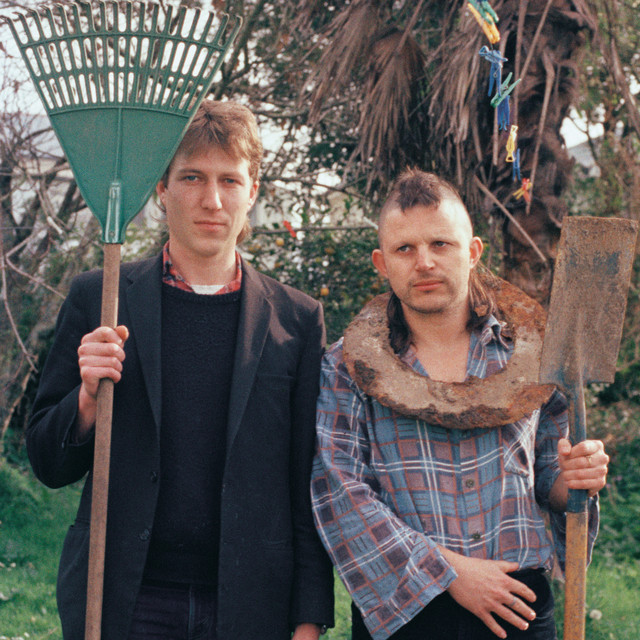
Tall Dwarfs

King Kong