Data may be outdated
Last updated: 7 months ago — Click refresh to get the latest statistics.
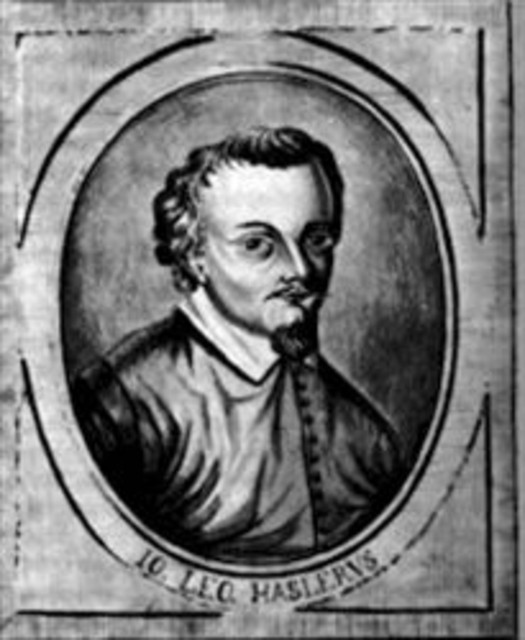
Hans Leo Hassler was one of the most significant of the composers who brought Italian styles to Germany in the early seventeenth century. His father, Isaak Hassler, was a stonecutter and musician in Nuremberg; all three Hassler sons had music lessons from their father and became musicians. Like many other composers from north of the Alps, Hassler went to Venice to pursue his education, probably on a municipal stipend, and there met <a href="spotify:artist:1OyxYAdM222Bw3DMzy2Aed">Giovanni Gabrieli</a> and his uncle, Andrea Gabrieli, the organist of St. Mark's cathedral. Hassler became the elder Gabrieli's pupil, remaining in Venice for 18 months. By 1586, he was chamber organist to Octavian Fugger II in Augsburg. The Fuggers also hired Hassler's two brothers, and practically admitted them to the family circle. Hassler composed prolifically, and in 1591 the emperor gave him a patent to copyright his works. Hassler's fame grew so much that Moritz, Landgrave of Hesse, tried unsuccessfully to get Octavian II to "loan" Hassler to him. Meanwhile, Hassler had expanded his business interests, becoming a metals dealer and getting involved in the manufacture of mechanical musical instruments.
In 1600, Octavian II died, leaving Hassler without a job. Augsburg's town council, to keep him, gave him the job of town music director, but he went home to Nuremberg the next year to take a similar position. In 1604 he got a year's leave of absence, went to Ulm, and married the daughter of a highly placed merchant. When the year's leave expired, Hassler cut his ties with Nuremberg, became a citizen of Ulm, and in 1607 was admitted to the Ulm merchants' guild.
In 1608 Elector Christian II of Saxony commissioned Hassler to write a composition for his capital at Dresden, and appointed him as chamber organist. Soon after arriving in Dresden, he was found to have tuberculosis. No compositions are known to have been written by Hassler after 1608, but he does not seem to have cut back on his other work , and, indeed, took over the duties of the Kapellmeister. In 1612 the Electoral court visited Frankfurt am Main for the crowning of Emperor Mathias. While he was there Hassler collapsed and died.
Hassler was highly influenced by the two Gabrielis and by Orlando di Lassus. He wrote for both the Roman Catholic and Lutheran churches, although he himself was a Protestant. As a composer he was conservative, hewing to the highly polyphonic idiom that had been in its heyday a half century earlier. Hassler never wrote with a basso continuo, the hallmark of the new Baroque style. He used the cantus firmus technique as the basis of his polyphony; often all parts treat motives derived from the cantus firmus. He also wrote a large quantity of secular music, including Italian madrigals in five or six voices, instrumental works (also very contrapuntal), and dance songs that are highly rhythmic and homophonic. One of his best known songs was the romantic G'mut ist mir verwirret ("My Head is Spinning"), whose theme <a href="spotify:artist:5aIqB5nVVvmFsvSdExz408">Johann Sebastian Bach</a> combined with the words of Gerhardt, "O Haput voll Blut und Wunde" (O, Head all Bloody and Wounded), in his St. Matthew Passion to describe the sufferings of Christ on the Cross. Another popular song he wrote, All Lust und Freud (All Pleasure and Joy), a galliard, was adapted by Schütz in his Psalmen Davids and in that form is still used in Protestant services.
In 1600, Octavian II died, leaving Hassler without a job. Augsburg's town council, to keep him, gave him the job of town music director, but he went home to Nuremberg the next year to take a similar position. In 1604 he got a year's leave of absence, went to Ulm, and married the daughter of a highly placed merchant. When the year's leave expired, Hassler cut his ties with Nuremberg, became a citizen of Ulm, and in 1607 was admitted to the Ulm merchants' guild.
In 1608 Elector Christian II of Saxony commissioned Hassler to write a composition for his capital at Dresden, and appointed him as chamber organist. Soon after arriving in Dresden, he was found to have tuberculosis. No compositions are known to have been written by Hassler after 1608, but he does not seem to have cut back on his other work , and, indeed, took over the duties of the Kapellmeister. In 1612 the Electoral court visited Frankfurt am Main for the crowning of Emperor Mathias. While he was there Hassler collapsed and died.
Hassler was highly influenced by the two Gabrielis and by Orlando di Lassus. He wrote for both the Roman Catholic and Lutheran churches, although he himself was a Protestant. As a composer he was conservative, hewing to the highly polyphonic idiom that had been in its heyday a half century earlier. Hassler never wrote with a basso continuo, the hallmark of the new Baroque style. He used the cantus firmus technique as the basis of his polyphony; often all parts treat motives derived from the cantus firmus. He also wrote a large quantity of secular music, including Italian madrigals in five or six voices, instrumental works (also very contrapuntal), and dance songs that are highly rhythmic and homophonic. One of his best known songs was the romantic G'mut ist mir verwirret ("My Head is Spinning"), whose theme <a href="spotify:artist:5aIqB5nVVvmFsvSdExz408">Johann Sebastian Bach</a> combined with the words of Gerhardt, "O Haput voll Blut und Wunde" (O, Head all Bloody and Wounded), in his St. Matthew Passion to describe the sufferings of Christ on the Cross. Another popular song he wrote, All Lust und Freud (All Pleasure and Joy), a galliard, was adapted by Schütz in his Psalmen Davids and in that form is still used in Protestant services.
Monthly Listeners
37,724
Monthly Listeners History
Track the evolution of monthly listeners over the last 28 days.
Followers
1,994
Followers History
Track the evolution of followers over the last 28 days.
Top Cities



Related Artists

Choir of Jesus College, Cambridge

Choir of Gonville & Caius College, Cambridge
Geoffrey Webber
Jacobus Gallus
Hugo Distler
Gregor Meyer
Bror Samuelson
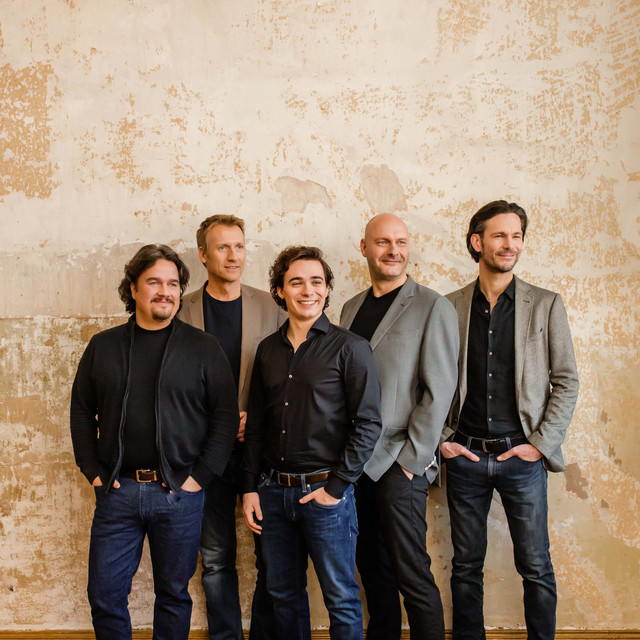
Orpheus Vokalensemble

Reading Phoenix Choir
St Salvator's Chapel Choir
Michael Alber
Yves Castagnet

Notre Dame Liturgical Choir
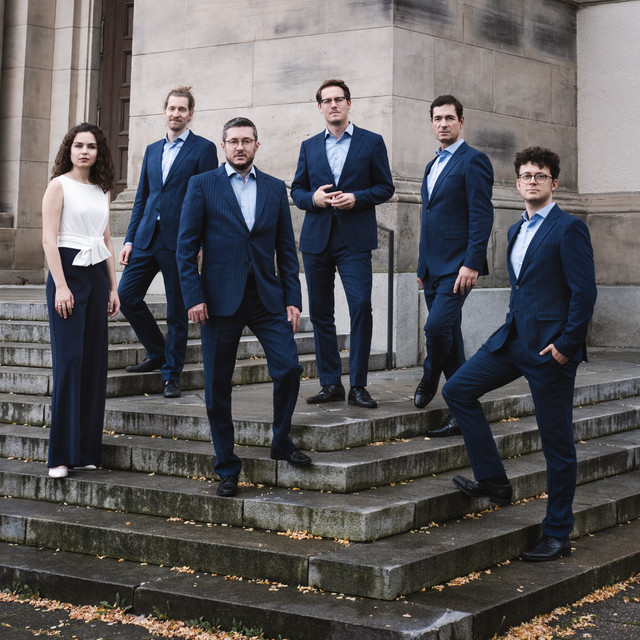
Singer Pur

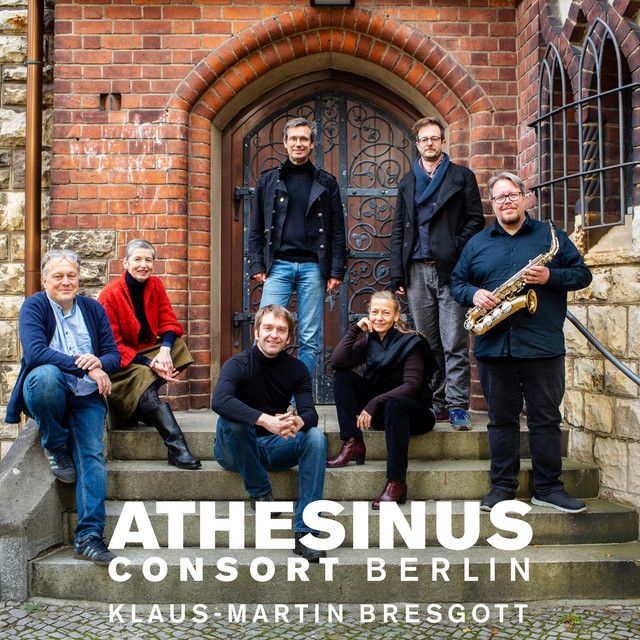
Klaus-Martin Bresgott
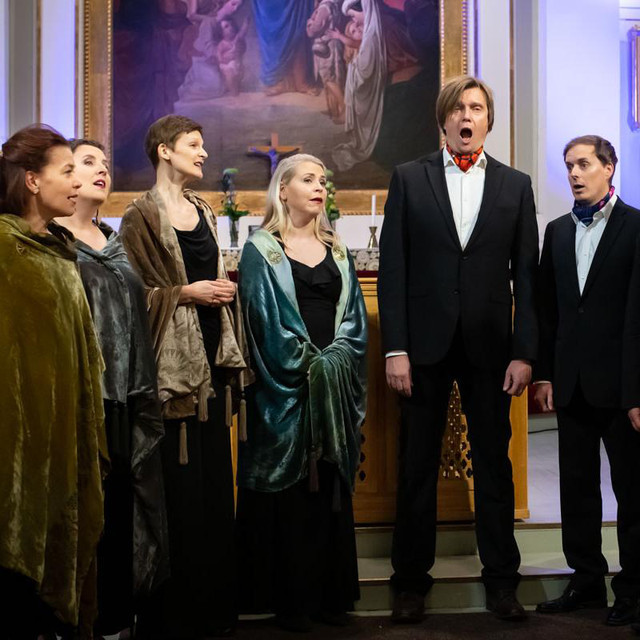
Lumen Valo

Jan Pieterszoon Sweelinck
Athesinus Consort Berlin

Ensemble Nobiles

Richard Sparks


The Choir of Peterhouse, Cambridge
Calmus Ensemble
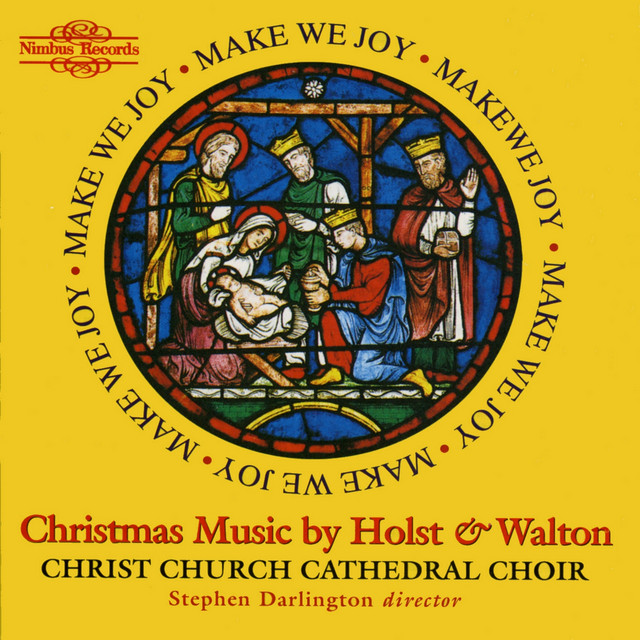
Christ Church Cathedral Choir