Genre
choral
Top Choral Artists
Showing 25 of 12,166 artists









About Choral
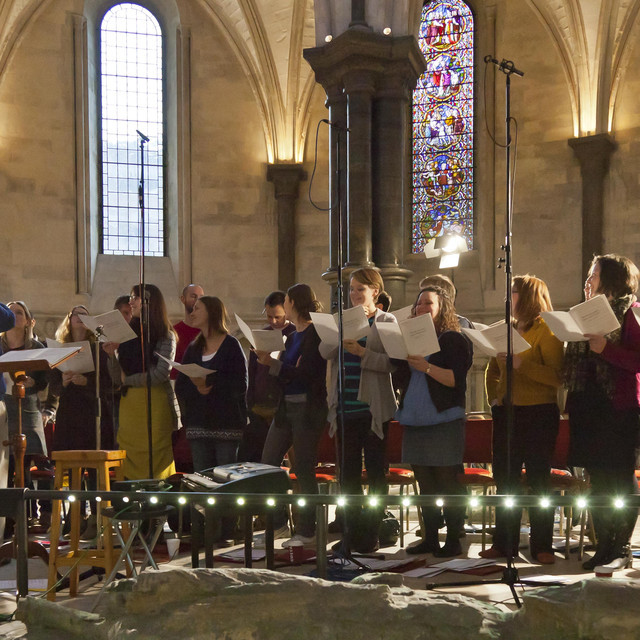
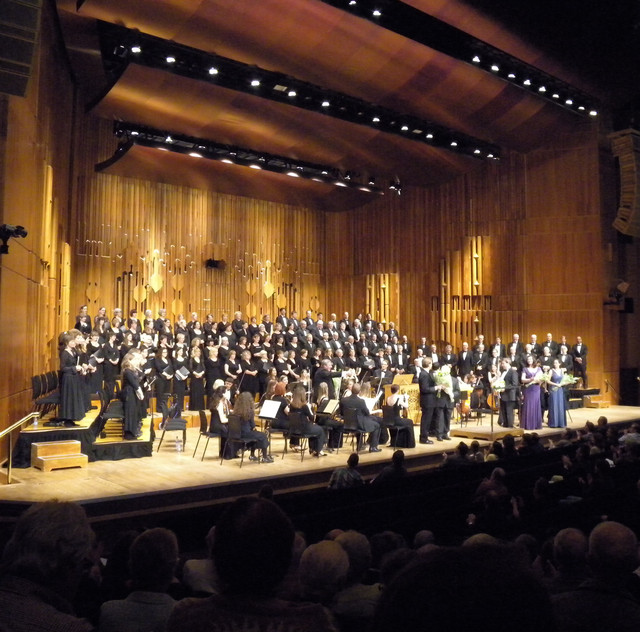
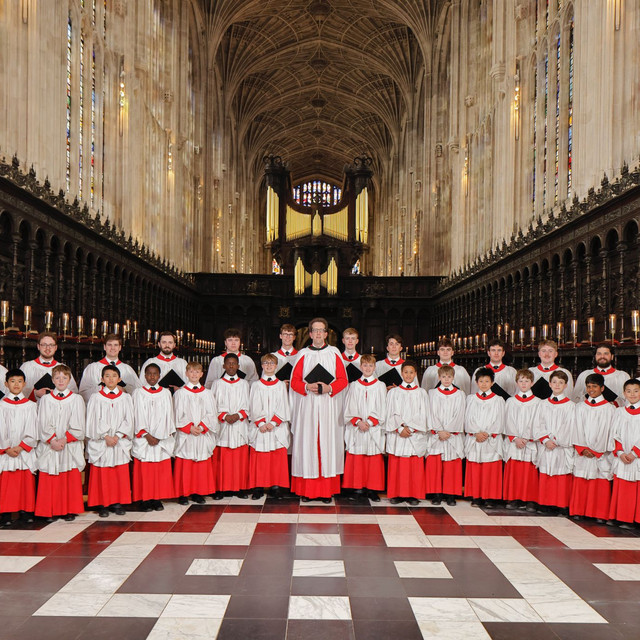
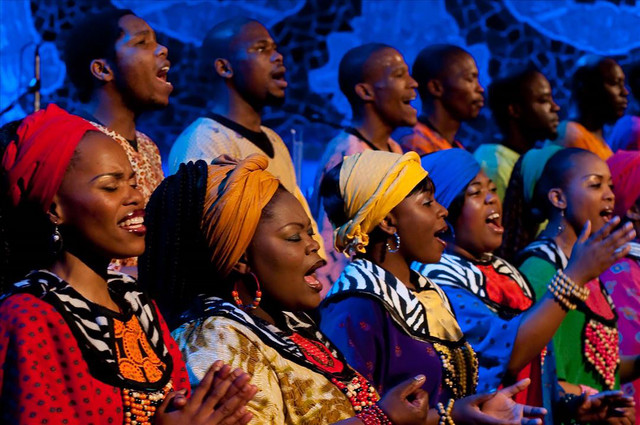
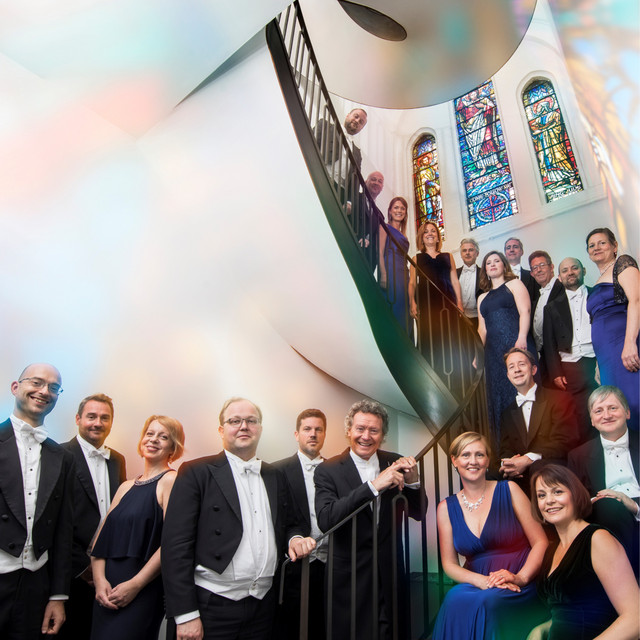
Choral music is the art of writing for a singing ensemble—often SATB, sometimes with organ, orchestra, or electronic textures. It encompasses liturgical settings, concert works, secular pieces, and experimental ensembles. From intimate motets to colossal oratorios, choral music has been a defining force in Western art music for centuries.
The genre’s birth lies in medieval Europe, when monastic communities codified sacred chant and latticework polyphony began to appear. The Notre Dame school (late 12th–13th centuries) pioneered organum and early polyphony, laying the groundwork for later complex textures. In the Renaissance, composers such as Josquin des Prez, Giovanni Pierluigi da Palestrina, and Tomas Luis de Victoria refined counterpoint and liturgical ceremony, producing repertoire that remains central to choirs today. Madrigals, an Italian secular offshoot, and English anthems—both contributed to the flowering of choral singing in civil and church life.
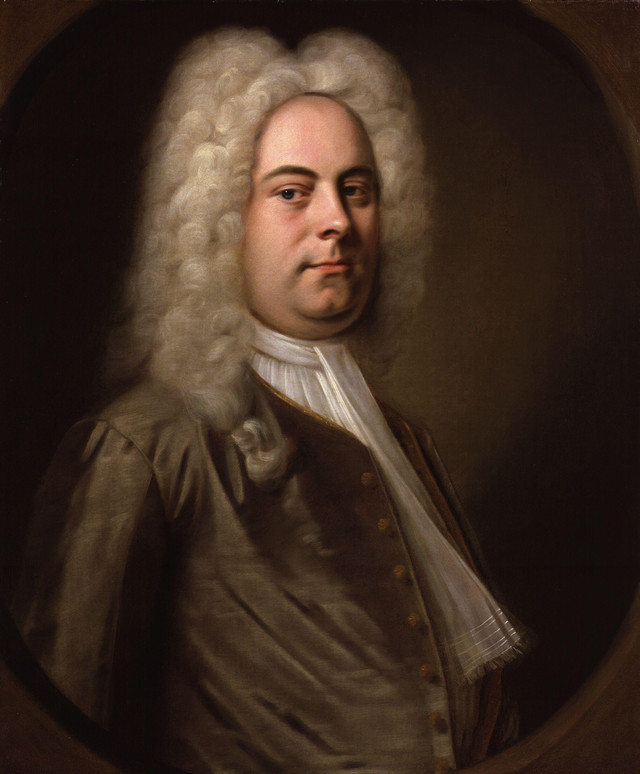
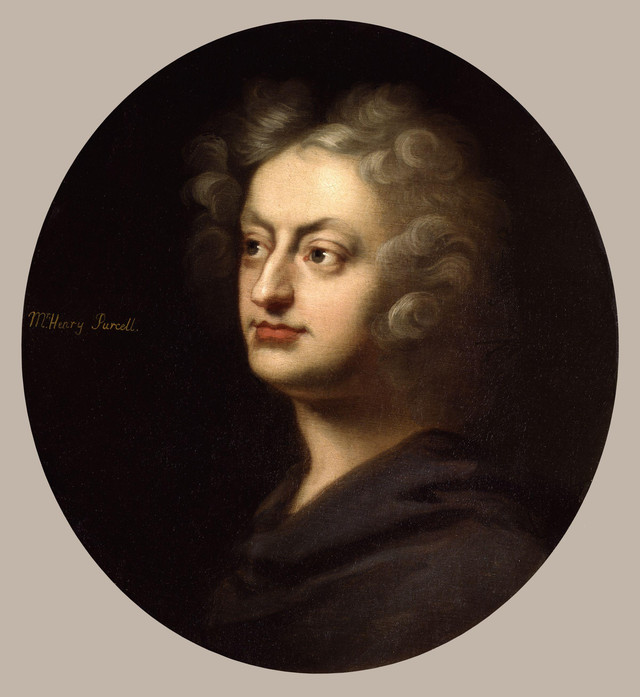
The Baroque era widened choral color with the combined forces of choir and orchestra. J.S. Bach’s sacred cantatas, Mass in B minor, and motets set new standards for dramatic pacing, emotive architecture, and intricate choruses. Handel’s oratorios—most famously Messiah—turned choral writing toward narrative dramatic arcs. In England, Purcell helped anchor English sacred and dramatic choral music, while the development of the concerted choral style fed a wave of public performances.
Romantic composers expanded choral possibilities with larger structures and heightened expression. Brahms’s Ein Deutsches Requiem, Berlioz’s Grande Messe des Morts, and Verdi’s lofty mass settings and dramatic choral scenes demonstrated the symphonic potential of the chorus. The late 19th and 20th centuries brought schools of choral thought across Europe and into America, where universities and churches built thriving scenes.
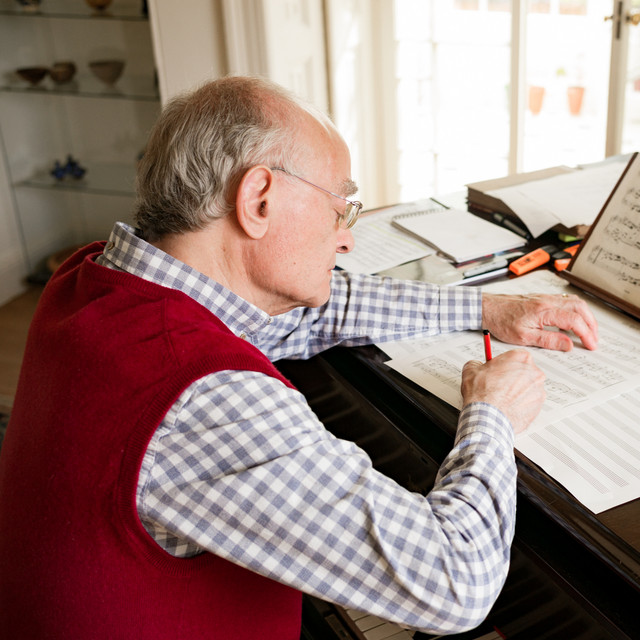
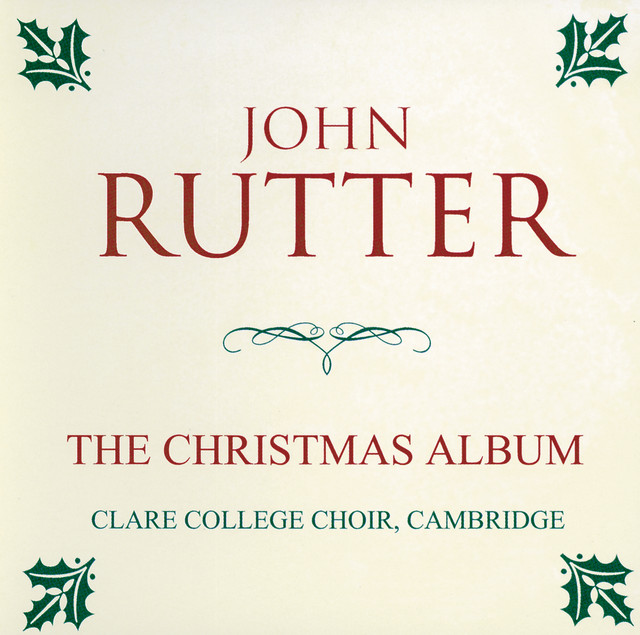
In contemporary times, choral music thrives on both tradition and innovation. John Rutter, a beacon of modern English choral writing, crafted beloved carols and lush sacred works that have become staples of many festivals. Eric Whitacre’s choral color is instantly recognizable—the lush, shimmering harmonies of his motets and his famous Virtual Choir projects helped libre the genre into new media. Karl Jenkins’s Adiemus blends world textures with choral power; Morten Lauridsen’s Lux aeterna became a touching late-20th-century touchstone. The genre’s vitality also rests with groups such as The Tallis Scholars, The King's Singers, and The Tabernacle Choir at Temple Square, ambassadors of both early and contemporary repertoire.
Choral music finds strong homes in many countries. The United Kingdom, Germany, Italy, and France have long-standing, enthusiastic choirs and festivals; the United States and Canada sustain vast university and church choral ecosystems; Australia and New Zealand maintain lively national and regional choirs; the Nordic countries promote robust, often community-based ensembles. Asia and Latin America increasingly contribute vibrant choirs and festivals, expanding the gallery of voices.
For listeners, choral music offers a spectrum—from the austerity of unaccompanied motets to the grandeur of symphonic oratorios and the intimate warmth of a cappella hymn. It remains a living, evolving conversation among composers, singers, and audiences. Dive in with established masterpieces and daring new works for a full spectrum today.
The genre’s birth lies in medieval Europe, when monastic communities codified sacred chant and latticework polyphony began to appear. The Notre Dame school (late 12th–13th centuries) pioneered organum and early polyphony, laying the groundwork for later complex textures. In the Renaissance, composers such as Josquin des Prez, Giovanni Pierluigi da Palestrina, and Tomas Luis de Victoria refined counterpoint and liturgical ceremony, producing repertoire that remains central to choirs today. Madrigals, an Italian secular offshoot, and English anthems—both contributed to the flowering of choral singing in civil and church life.
The Baroque era widened choral color with the combined forces of choir and orchestra. J.S. Bach’s sacred cantatas, Mass in B minor, and motets set new standards for dramatic pacing, emotive architecture, and intricate choruses. Handel’s oratorios—most famously Messiah—turned choral writing toward narrative dramatic arcs. In England, Purcell helped anchor English sacred and dramatic choral music, while the development of the concerted choral style fed a wave of public performances.
Romantic composers expanded choral possibilities with larger structures and heightened expression. Brahms’s Ein Deutsches Requiem, Berlioz’s Grande Messe des Morts, and Verdi’s lofty mass settings and dramatic choral scenes demonstrated the symphonic potential of the chorus. The late 19th and 20th centuries brought schools of choral thought across Europe and into America, where universities and churches built thriving scenes.
In contemporary times, choral music thrives on both tradition and innovation. John Rutter, a beacon of modern English choral writing, crafted beloved carols and lush sacred works that have become staples of many festivals. Eric Whitacre’s choral color is instantly recognizable—the lush, shimmering harmonies of his motets and his famous Virtual Choir projects helped libre the genre into new media. Karl Jenkins’s Adiemus blends world textures with choral power; Morten Lauridsen’s Lux aeterna became a touching late-20th-century touchstone. The genre’s vitality also rests with groups such as The Tallis Scholars, The King's Singers, and The Tabernacle Choir at Temple Square, ambassadors of both early and contemporary repertoire.
Choral music finds strong homes in many countries. The United Kingdom, Germany, Italy, and France have long-standing, enthusiastic choirs and festivals; the United States and Canada sustain vast university and church choral ecosystems; Australia and New Zealand maintain lively national and regional choirs; the Nordic countries promote robust, often community-based ensembles. Asia and Latin America increasingly contribute vibrant choirs and festivals, expanding the gallery of voices.
For listeners, choral music offers a spectrum—from the austerity of unaccompanied motets to the grandeur of symphonic oratorios and the intimate warmth of a cappella hymn. It remains a living, evolving conversation among composers, singers, and audiences. Dive in with established masterpieces and daring new works for a full spectrum today.