Data may be outdated
Last updated: 1 month ago — Click refresh to get the latest statistics.
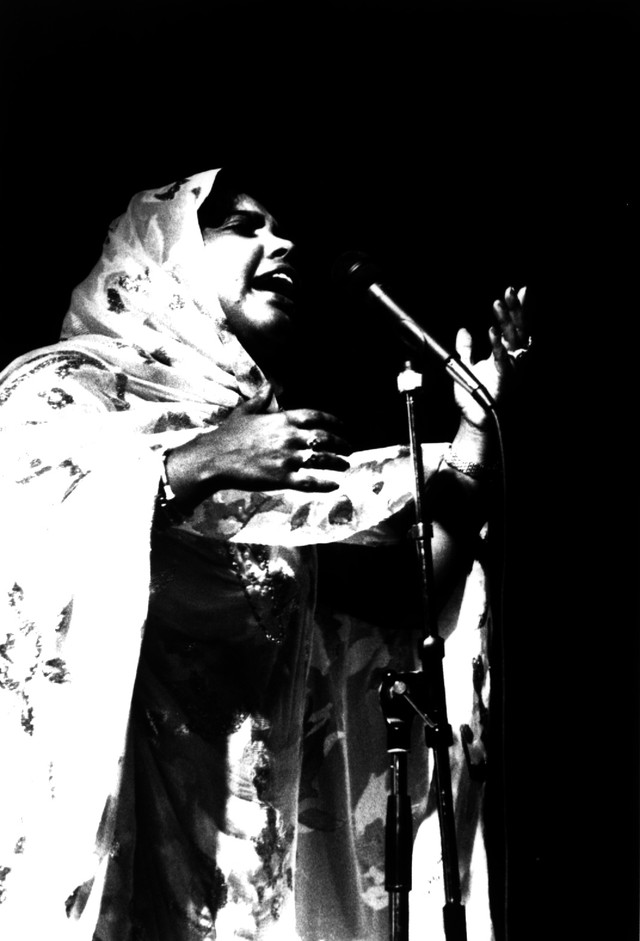
El Bécharia, who sings in French and also in Soudania, the ancient language of her people, continued to perform extensively, appearing on stage and television. In 2002, the same year she released her Label Bleu debut Djazaïr Johara, she was at the Festival Voix de Femmes in Bruxelles and the following year appeared in London. Maintaining the tradition of the gnawa musicians of Algeria, El Bécharia is a powerful link with the past yet has captured the youthful audience of the 00s.
Monthly Listeners
5,177
Monthly Listeners History
Track the evolution of monthly listeners over the last 28 days.
Followers
7,447
Followers History
Track the evolution of followers over the last 28 days.
Total Streams
1.0 million
Total Streams History
Track the evolution of total streams over the last 28 days. This data is calculated from all tracks listed in the artist's discography.
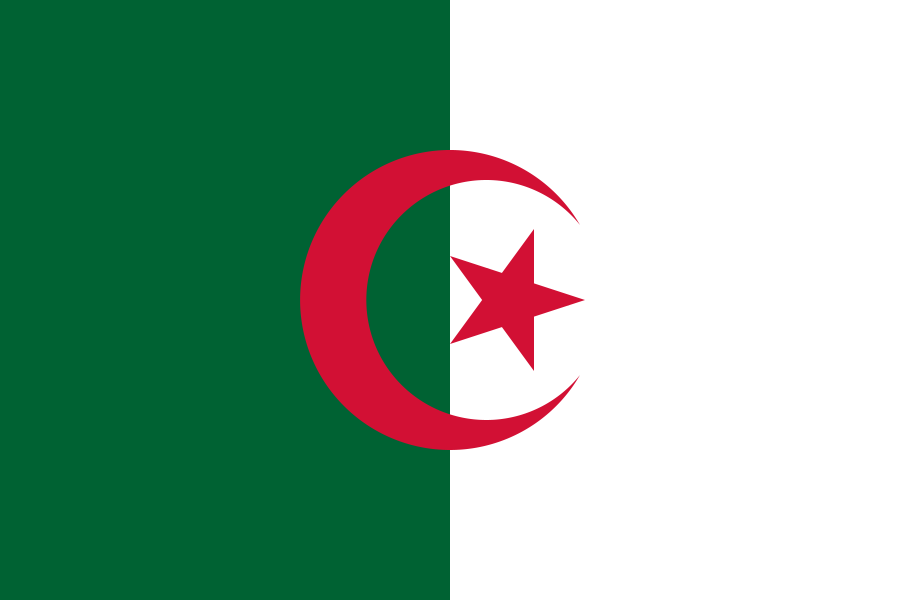
Top Cities


Related Artists

Martin Meissonnier

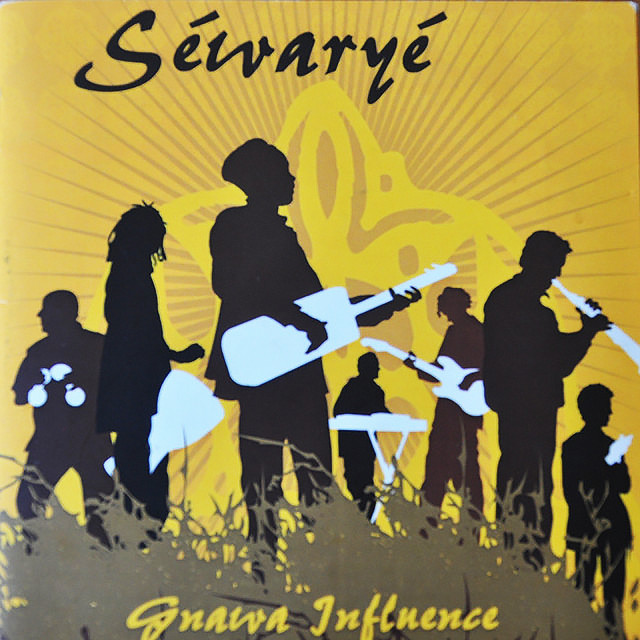


Gnawa Njoum Experience
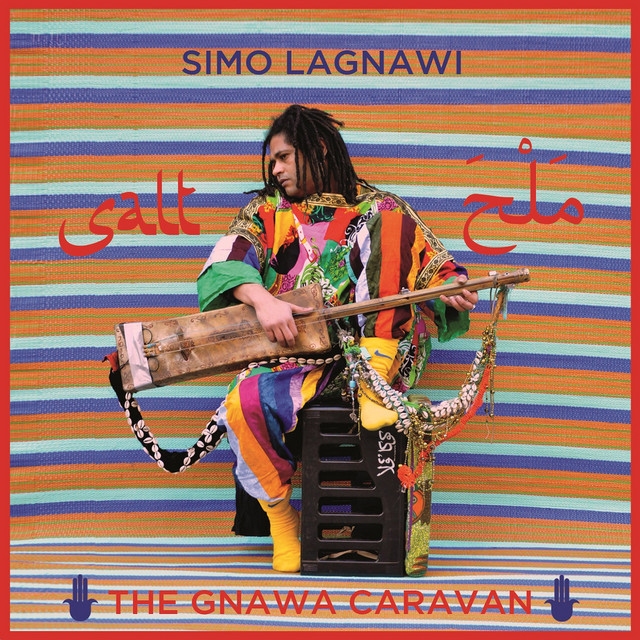

Djurdjura

Maâlem Abderrahmane Paco
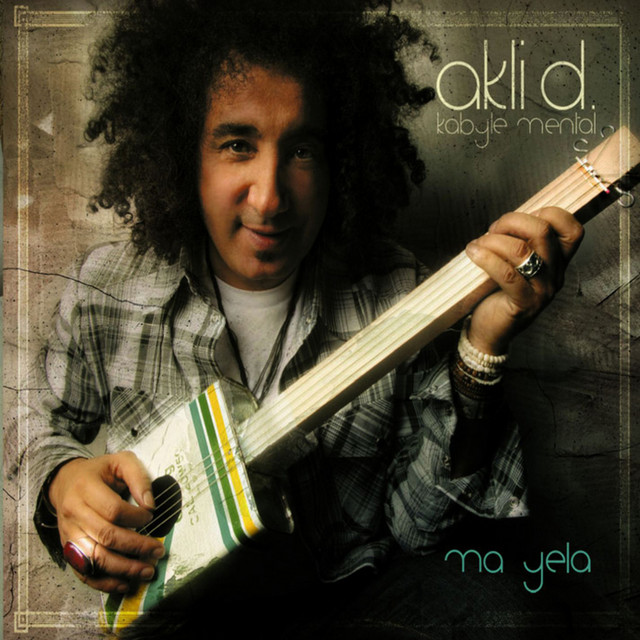
Akli D.
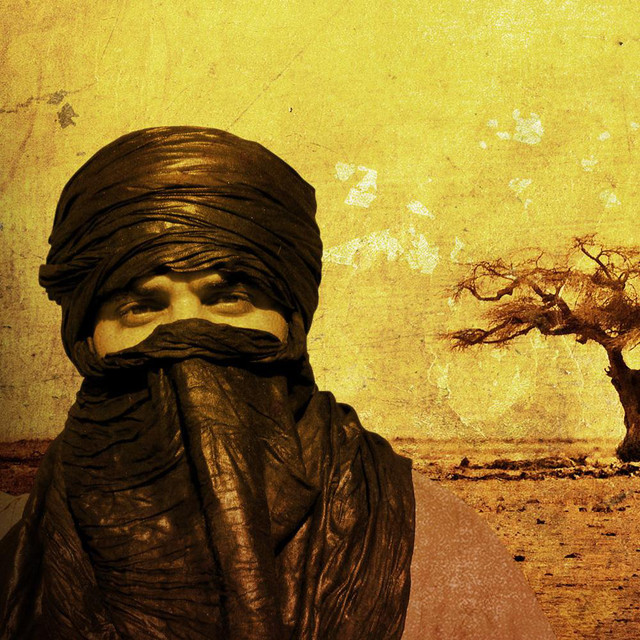


Reinette L'oranaise
AZA


Orchestre El Gusto
Maalem Said Damir & Gnawa Allstars
Koum Tara


Les Musiciens de L'Atlas



Ooleya Mint Amartichitt
Houria Aichi

Saghru band

Gnawa de Marrakech