Data may be outdated
Last updated: 7 months ago — Click refresh to get the latest statistics.
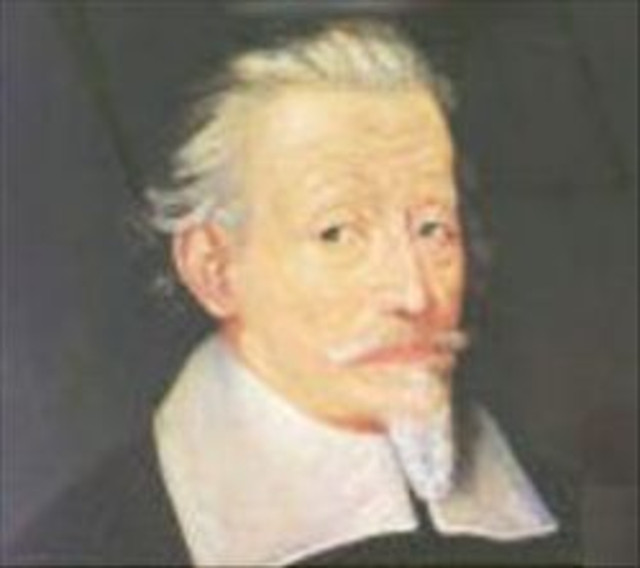
Heinrich Schütz, in a way, stood as a bridge between the Renaissance and <a href="spotify:artist:5aIqB5nVVvmFsvSdExz408">Bach</a>. He infused his church music with a greater drama than previously heard in Germany by developing and transforming the Italian choral style he had learned in his studies with Gabrieli. Schütz's Psalmen Davids (1619) shows the influence of Gabrieli but also divulges his own unique voice. His melodic invention is in evidence in the Becker Psalter (1626), while his Geistliche Chor-Music (1648), a collection of motets, represents perhaps the greatest such assemblage from his century. A large number of his compositions went unpublished, most of those now lost.
Schütz was born in Köstritz (now Bad Köstritz) and raised in Weissenfels, where his father operated an inn. Young Heinrich probably studied with George Weber, a composer and the local Kantor. At 13, Schütz entered the Collegium Mauritianum in Kassel at the urging of Landgrave Moritz of Hessen, who had established it four years earlier. Schütz became a choirboy in the Landgrave's court and studied under kapellmeister Georg Otto. Shortly after leaving the Collegium in 1608 (such lengthy study was not unusual), Schütz left for Venice to study with Giovanni Gabrieli.
In 1613, he returned to Germany and accepted a post as second organist in the Landgrave's court. Around this time he met Johann Herman Schein, with whom he would remain close friends until Schein's death in 1631. In 1615, Schütz entered service in the Dresden court of Elector Johann Georg of Saxony and two years later became, in effect, kapellmeister, holding the most powerful musical post in Protestant Germany.
Schütz's first sacred music publication appeared in 1619. Psalmen Davids sampt etlichen Moteten und Concerten comprised 26 works for various choruses and instruments. On June 1, that year, the composer married Magdalene Wildeck, 15 years his junior. Throughout the early 1620s, Schütz remained quite active in composition, perhaps finding his personal happiness a springboard for his creativity. In 1625, however, Magdalene died after a brief illness, dealing Schütz a devastating blow.
This tragedy seems to have motivated Schütz in the composition of his Der Psalter nach Cornelius Becker, a huge collection of partsongs, published in 1628. The composer departed Dresden for Venice on August 11, that same year, owing to economic hardship in Saxony from the ongoing Thirty Years War. Upon his return to Dresden in late 1629, he found economic conditions there no better. In fact, things worsened over the eight-year span (1633-1641) he spent mainly in the court of Prince Christian of Denmark. Schütz served most of the period of 1642-1644 in the Copenhagen court of Prince Johann Georg, though he remained officially tied to his Dresden post. The composer's Symphoniarum sacrarum secunda pars, a collection of sacred vocal works, appeared in 1647. After briefly taking a post in Duke Wilhelm's Weimar court in 1648, he spent several months in Weissenfels early the following year and then returned to Dresden. In 1650, Schütz published his collection, Symphoniarum sacrarum tertia pars.
The composer's output slowed to a trickle in his later years, but in the latter 1650s his financial situation, long precarious under Elector Johann Georg, improved when Johann Georg II succeeded his father, who died in 1656. Schütz did much traveling in his last years and lived in Weissenfels for most of his last decade.
Schütz was born in Köstritz (now Bad Köstritz) and raised in Weissenfels, where his father operated an inn. Young Heinrich probably studied with George Weber, a composer and the local Kantor. At 13, Schütz entered the Collegium Mauritianum in Kassel at the urging of Landgrave Moritz of Hessen, who had established it four years earlier. Schütz became a choirboy in the Landgrave's court and studied under kapellmeister Georg Otto. Shortly after leaving the Collegium in 1608 (such lengthy study was not unusual), Schütz left for Venice to study with Giovanni Gabrieli.
In 1613, he returned to Germany and accepted a post as second organist in the Landgrave's court. Around this time he met Johann Herman Schein, with whom he would remain close friends until Schein's death in 1631. In 1615, Schütz entered service in the Dresden court of Elector Johann Georg of Saxony and two years later became, in effect, kapellmeister, holding the most powerful musical post in Protestant Germany.
Schütz's first sacred music publication appeared in 1619. Psalmen Davids sampt etlichen Moteten und Concerten comprised 26 works for various choruses and instruments. On June 1, that year, the composer married Magdalene Wildeck, 15 years his junior. Throughout the early 1620s, Schütz remained quite active in composition, perhaps finding his personal happiness a springboard for his creativity. In 1625, however, Magdalene died after a brief illness, dealing Schütz a devastating blow.
This tragedy seems to have motivated Schütz in the composition of his Der Psalter nach Cornelius Becker, a huge collection of partsongs, published in 1628. The composer departed Dresden for Venice on August 11, that same year, owing to economic hardship in Saxony from the ongoing Thirty Years War. Upon his return to Dresden in late 1629, he found economic conditions there no better. In fact, things worsened over the eight-year span (1633-1641) he spent mainly in the court of Prince Christian of Denmark. Schütz served most of the period of 1642-1644 in the Copenhagen court of Prince Johann Georg, though he remained officially tied to his Dresden post. The composer's Symphoniarum sacrarum secunda pars, a collection of sacred vocal works, appeared in 1647. After briefly taking a post in Duke Wilhelm's Weimar court in 1648, he spent several months in Weissenfels early the following year and then returned to Dresden. In 1650, Schütz published his collection, Symphoniarum sacrarum tertia pars.
The composer's output slowed to a trickle in his later years, but in the latter 1650s his financial situation, long precarious under Elector Johann Georg, improved when Johann Georg II succeeded his father, who died in 1656. Schütz did much traveling in his last years and lived in Weissenfels for most of his last decade.
Monthly Listeners
59,097
Monthly Listeners History
Track the evolution of monthly listeners over the last 28 days.
Followers
13,643
Followers History
Track the evolution of followers over the last 28 days.
Top Cities
2,583 listeners

1,373 listeners
1,133 listeners
910 listeners
847 listeners
Related Artists
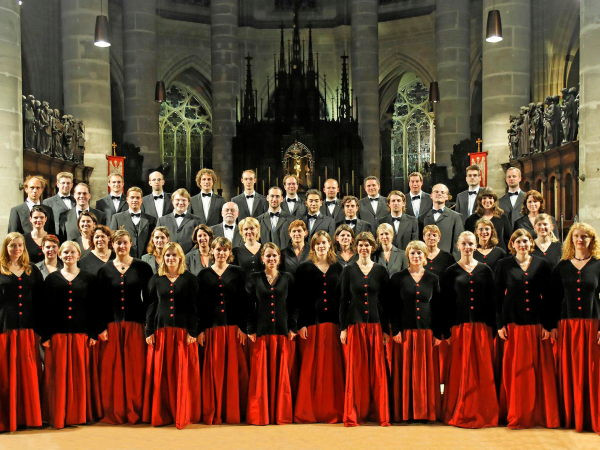
Kammerchor Stuttgart

His Majestys Sagbutts & Cornetts
Johann Christoph Bach
Johann Michael Bach


Consort Of Musicke
Andreas Hammerschmidt
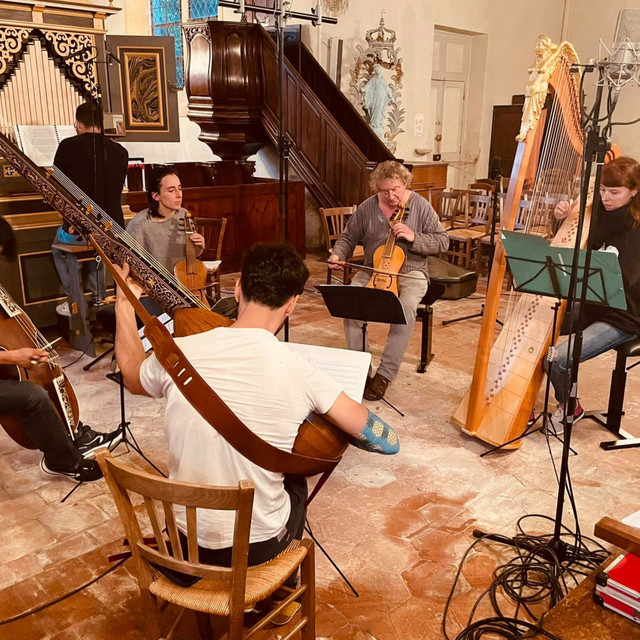
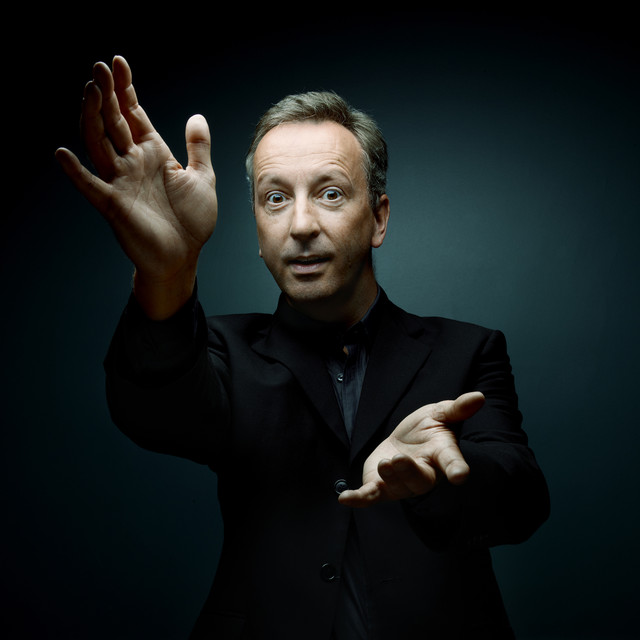

Roland Wilson

Matthias Müller
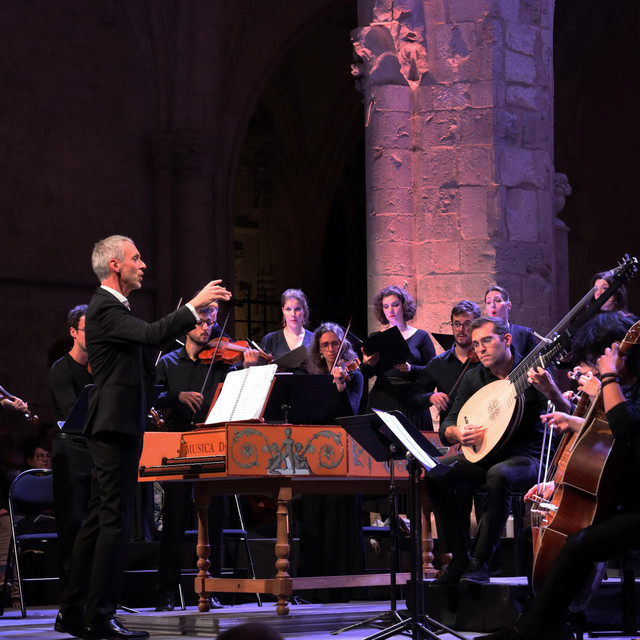

Taverner Consort

Monika Mauch
Charles Daniels
David Erler

Johann Schelle
Joël Suhubiette
Hans-Jörg Mammel

Christoph Lehmann
Gregor Meyer
Holland Boys Choir
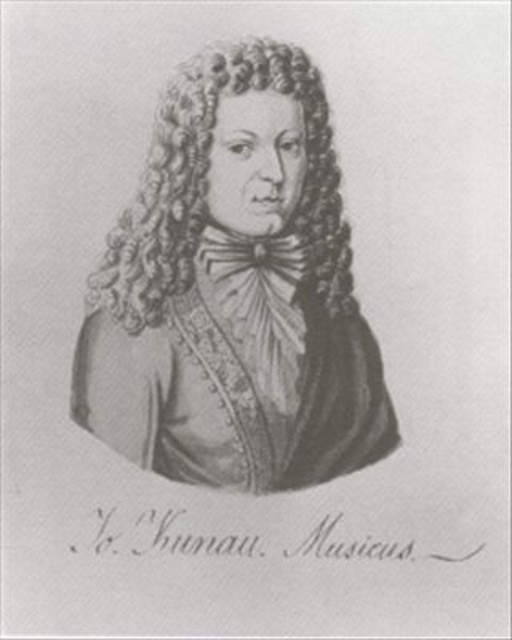
Johann Kuhnau
Bachchor Mainz

Robert Jones
Peter Neumann




Eric Ericson Chamber Choir
Mauro Marchetti

Jan Pieterszoon Sweelinck