Data may be outdated
Last updated: 9 months ago — Click refresh to get the latest statistics.
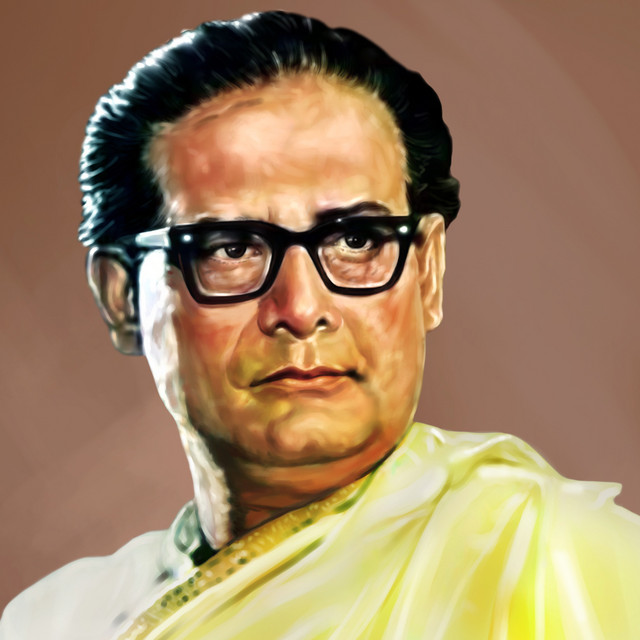
With his deep but passionate voice and melodic sensibility, Hemant Kumar (born Hemanta Kumar Mukherjee) helped steer the evolution of post-World War II Indian music. Well-known for his interpretations of <a href="spotify:artist:0lzhlb4hBZjcjQDYdbASUz">Rabindranath Tagore</a>'s songs, Kumar was equally influential as a composer. In addition to scoring more than 150 Bengali films and 50 Hindi films, Kumar wrote an estimated 2,000 songs.
Appearing on Indian radio for the first time in 1933, Kumar recorded his debut disc, "Janite Jadi Go Tumi" b/w "Balo Go Balo More," six years later. Despite his obvious talent, Kumar gave little thought to a career in music. Instead, he enrolled in a four-year course at the Engineering College of Jaduvpar Polytechnic and dreamed of becoming a writer. In 1937, Dash magazine published one of Kumar's stories.
The impact of Kumar's voice could not be denied, however. Although he was turned down by the Senola and Megaphone Record labels, he was signed by Columbia and introduced to their staff trainer, Sailesh Dattagupta. Although he had previously begun studying classical Hindustani music with Ustad Faiyaz Khan, his lessons ended prematurely with Khan's untimely death.
Kumar's recordings for Columbia attracted critical acclaim. Following the release of his second single, he purchased his first harmonium. After his next single, he left school to devote his attention to music.
Commercial success was much slower. For several years, Kumar sought a way to break into film playback. His chance came when he was chosen to be the playback singer in the hit film Nimai Sonyas. In 1944, he composed the entire score for Heman Gupta's film, Abhijatri. He resumed his work for Gupta in 1951 with the film Anandamath. He subsequently relocated to Bombay and took a staff composer position with S. Mukherjee's Filmistan Studios. Although he attempted to break into film direction with his own Geetanjali productions, his best work was done for other directors.
Beginning in 1948, Kumar worked with lyricist/composer Salil Chowdhury to develop a new kind of music, Kavya-geeti, translated as "ballad but not necessarily romantic." Kumar reached his apex in 1955 when he received a Filmfare award as Best Music Director for the film Nagin. ~ Craig Harris, Rovi
Appearing on Indian radio for the first time in 1933, Kumar recorded his debut disc, "Janite Jadi Go Tumi" b/w "Balo Go Balo More," six years later. Despite his obvious talent, Kumar gave little thought to a career in music. Instead, he enrolled in a four-year course at the Engineering College of Jaduvpar Polytechnic and dreamed of becoming a writer. In 1937, Dash magazine published one of Kumar's stories.
The impact of Kumar's voice could not be denied, however. Although he was turned down by the Senola and Megaphone Record labels, he was signed by Columbia and introduced to their staff trainer, Sailesh Dattagupta. Although he had previously begun studying classical Hindustani music with Ustad Faiyaz Khan, his lessons ended prematurely with Khan's untimely death.
Kumar's recordings for Columbia attracted critical acclaim. Following the release of his second single, he purchased his first harmonium. After his next single, he left school to devote his attention to music.
Commercial success was much slower. For several years, Kumar sought a way to break into film playback. His chance came when he was chosen to be the playback singer in the hit film Nimai Sonyas. In 1944, he composed the entire score for Heman Gupta's film, Abhijatri. He resumed his work for Gupta in 1951 with the film Anandamath. He subsequently relocated to Bombay and took a staff composer position with S. Mukherjee's Filmistan Studios. Although he attempted to break into film direction with his own Geetanjali productions, his best work was done for other directors.
Beginning in 1948, Kumar worked with lyricist/composer Salil Chowdhury to develop a new kind of music, Kavya-geeti, translated as "ballad but not necessarily romantic." Kumar reached his apex in 1955 when he received a Filmfare award as Best Music Director for the film Nagin. ~ Craig Harris, Rovi
Monthly Listeners
3.4 million
Monthly Listeners History
Track the evolution of monthly listeners over the last 28 days.
Followers
2.6 million
Followers History
Track the evolution of followers over the last 28 days.
Top Cities

Related Artists
Tabassum



Geeta Dutt

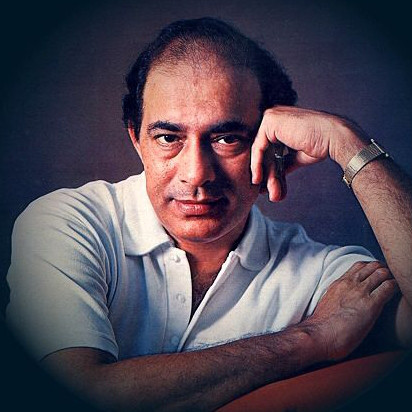
Talat Mahmood
Hemlata
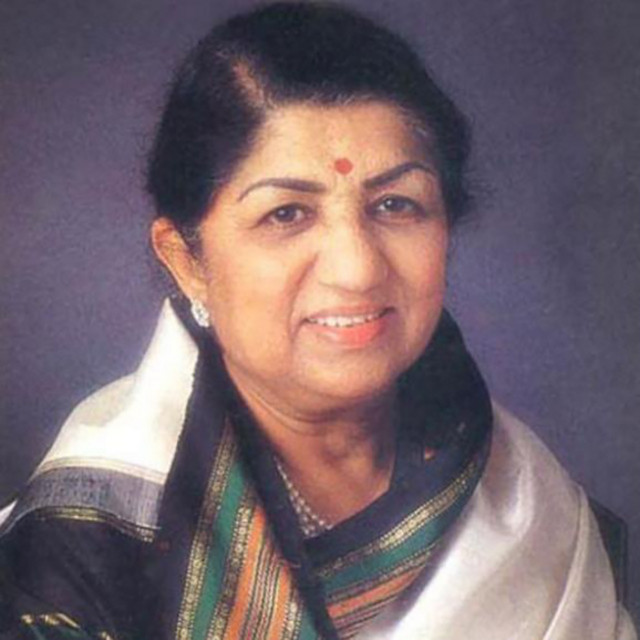
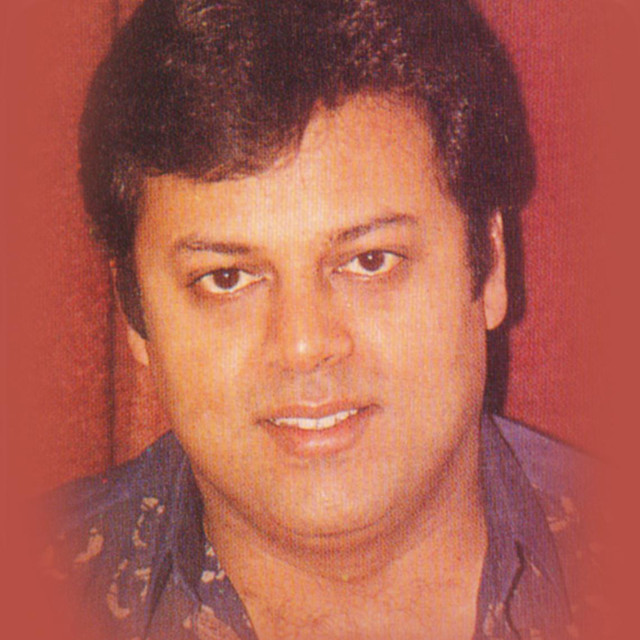
Shailendra Singh

Bhupinder Singh
Anette

Suman Kalyanpur
Mahendra Kapoor

Shailendra

Anup Ghoshal
O. P. Nayyar

Rishi Kapoor

Talat Aziz
Gulshan Bawra

Runa Laila