Country
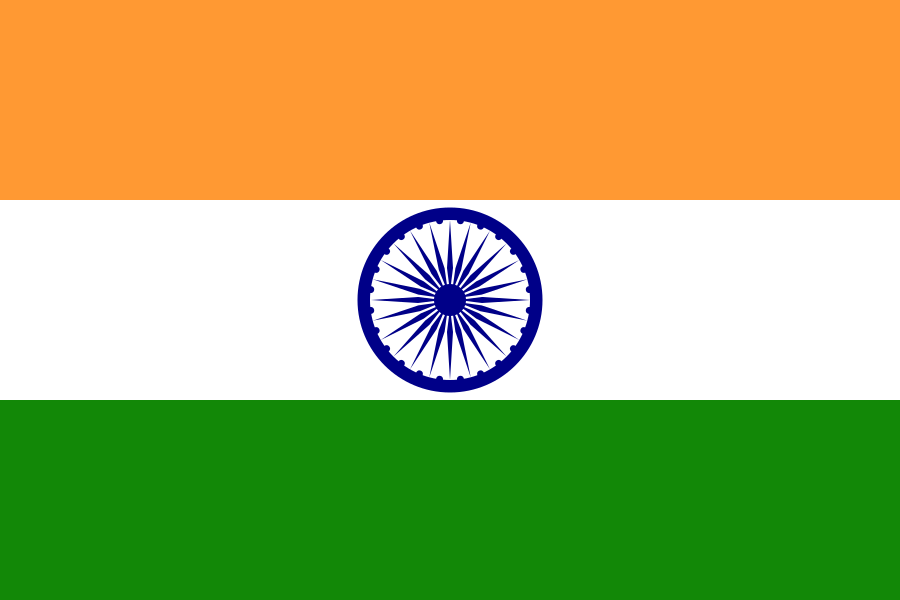
India
Top Artists from India
Showing 25 of 1,841 artists








About India
India, a vast subcontinent in South Asia, is a country where sound travels through everyday life as naturally as light. Its musical landscape is a living mosaic of ancient tradition and modern invention, and its audiences range from farmers in the hills to urban clubbers and film lovers. Today, India’s population stands at about 1.42 billion people, making it one of the world’s most diverse and dynamic sources of musical energy. That diversity is not just linguistic or geographic; it is audible in the way a raga unfolds in a Kolkata concert, a folk chorus swells in a Gujarat festival, and a Bollywood melody climbs the charts across continents.
Two great classical streams—Hindustani in the north and Carnatic in the south—form the backbone of India’s refined musical culture. In Hindustani music, improvisation and mood take center stage as ragas evolve in real time with intricate taals (rhythmic cycles). In Carnatic performance, compositions and virtuosity meet precise, brightly colored improvisation. Instrumental voices—sitars and sarods, bansuris and flutes, sarode and veena, the tabla, mridangam and kanjira—humanize theory with breath and pulse. Folk and regional traditions add further color: Bhangra and Punjabi folk, Garba from Gujarat, Lavani from Maharashtra, Baul songs from Bengal, and many others carry village ritual, dance, and memory into city stages and studio playlists. The result is a musical ecosystem where classical rigor and folk spontaneity coexist with ease.
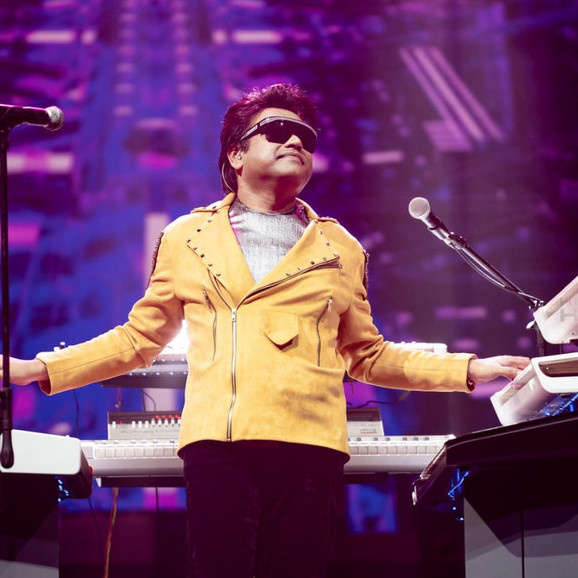
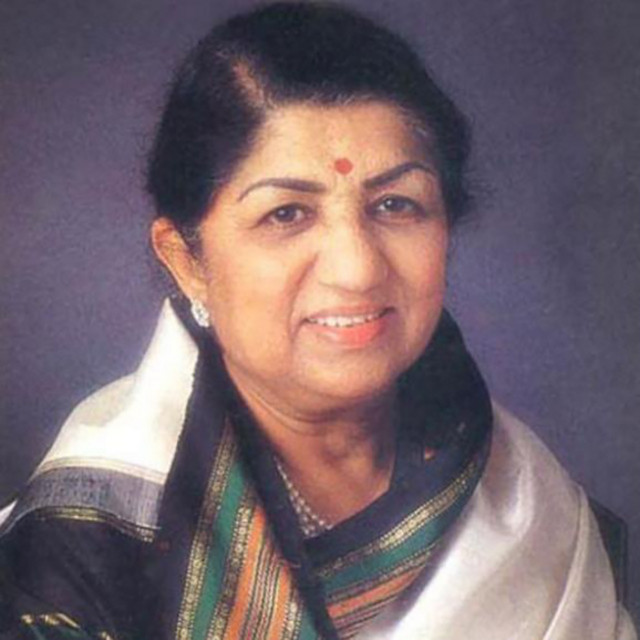
In parallel, India’s film industry has established a global musical footprint. Bollywood and regional cinema drive a prolific, emotionally charged popular music scene that blends melody, rhythm, and orchestration from around the world. Iconic figures such as A. R. Rahman have redefined film scoring with lush, cinematic palettes and international collaborations, earning Oscar and global acclaim for works like Slumdog Millionaire. Legendary singers such as Lata Mangeshkar, Kishore Kumar, and Shreya Ghoshal remain touchstones of Indian vocal taste, while contemporary stars like Arijit Singh, Sunidhi Chauhan, and Badshah help shape current hits. The country’s rising indie and hip‑hop scenes—artists such as Divine, Naezy, and a new generation of performers—continue to push boundaries and bring street-level stories to a worldwide audience.
The cultural heartbeat is reflected in venues and festivals that anchor India’s music scene. The NCPA in Mumbai, Kamani Auditorium in New Delhi, and the Music Academy in Chennai host classical concerts and crossover programs in prestigious settings. Kolkata’s Dover Lane Music Conference is famed for Hindustani nights that attract maestros from around the country. Chennai’s December Music Season gathers Carnatic veterans and younger talents in a sustained citywide celebration. Across India, festivals like the Sunburn Goa electronic‑dance lineage and the NH7 Weekender festival showcase cross‑genre collaborations and a thriving live circuit that nurtures local bands, DJs, and experimental acts.
India’s musical influence has extended far beyond its borders, shaping global sound through collaboration, resonance with film music, and a centuries‑old tradition of improvisation. For music enthusiasts, India offers a prolific, ever‑renewing archive of listening—where tradition informs innovation, and every performance invites another discovery.
Two great classical streams—Hindustani in the north and Carnatic in the south—form the backbone of India’s refined musical culture. In Hindustani music, improvisation and mood take center stage as ragas evolve in real time with intricate taals (rhythmic cycles). In Carnatic performance, compositions and virtuosity meet precise, brightly colored improvisation. Instrumental voices—sitars and sarods, bansuris and flutes, sarode and veena, the tabla, mridangam and kanjira—humanize theory with breath and pulse. Folk and regional traditions add further color: Bhangra and Punjabi folk, Garba from Gujarat, Lavani from Maharashtra, Baul songs from Bengal, and many others carry village ritual, dance, and memory into city stages and studio playlists. The result is a musical ecosystem where classical rigor and folk spontaneity coexist with ease.
In parallel, India’s film industry has established a global musical footprint. Bollywood and regional cinema drive a prolific, emotionally charged popular music scene that blends melody, rhythm, and orchestration from around the world. Iconic figures such as A. R. Rahman have redefined film scoring with lush, cinematic palettes and international collaborations, earning Oscar and global acclaim for works like Slumdog Millionaire. Legendary singers such as Lata Mangeshkar, Kishore Kumar, and Shreya Ghoshal remain touchstones of Indian vocal taste, while contemporary stars like Arijit Singh, Sunidhi Chauhan, and Badshah help shape current hits. The country’s rising indie and hip‑hop scenes—artists such as Divine, Naezy, and a new generation of performers—continue to push boundaries and bring street-level stories to a worldwide audience.
The cultural heartbeat is reflected in venues and festivals that anchor India’s music scene. The NCPA in Mumbai, Kamani Auditorium in New Delhi, and the Music Academy in Chennai host classical concerts and crossover programs in prestigious settings. Kolkata’s Dover Lane Music Conference is famed for Hindustani nights that attract maestros from around the country. Chennai’s December Music Season gathers Carnatic veterans and younger talents in a sustained citywide celebration. Across India, festivals like the Sunburn Goa electronic‑dance lineage and the NH7 Weekender festival showcase cross‑genre collaborations and a thriving live circuit that nurtures local bands, DJs, and experimental acts.
India’s musical influence has extended far beyond its borders, shaping global sound through collaboration, resonance with film music, and a centuries‑old tradition of improvisation. For music enthusiasts, India offers a prolific, ever‑renewing archive of listening—where tradition informs innovation, and every performance invites another discovery.