Data may be outdated
Last updated: 9 months ago — Click refresh to get the latest statistics.
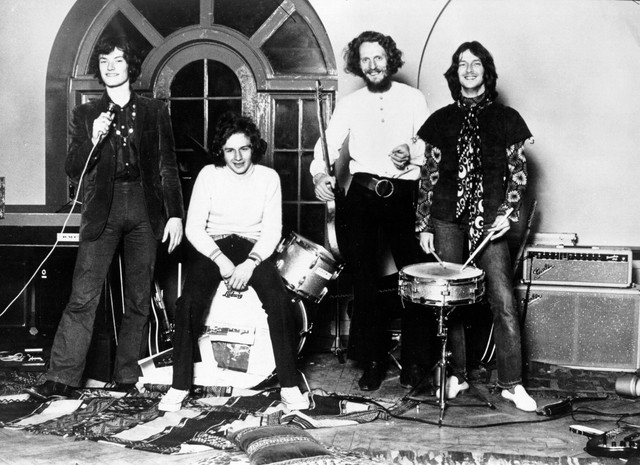
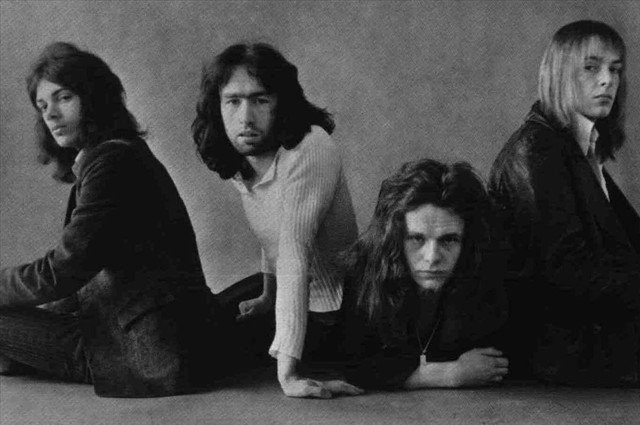
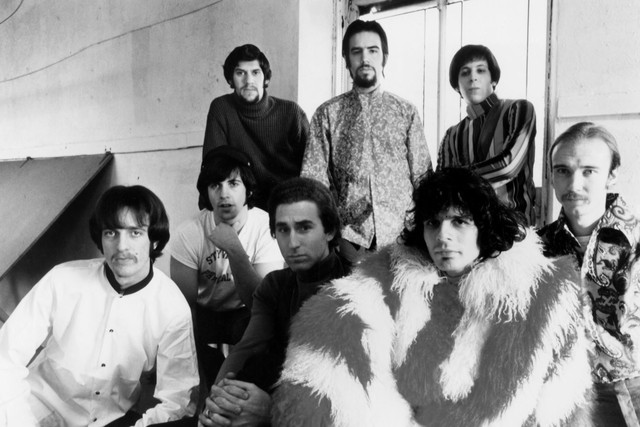
One of the first bands to meld psychedelia with hard rock (and a key influence in the early days of heavy metal), Iron Butterfly scored a career- and era-defining hit with 1968's In-A-Gadda-Da-Vida. The title song became a staple on underground FM radio in its seventeen-minute LP version (which covered all of the album's second side), and a Top 40 hit in a three-minute single edit. The band never achieved another success on that scale, but it was more than enough to cement their legend, and their blend of trippy musical exploration and open-ended jams with a hard, distorted attack earned them a large and loyal audience, and while their original incarnation ended in 1971, they reunited to record 1975's Scorching Beauty, and versions of the band were still performing into the 2020s.
Iron Butterfly was formed in 1966 in San Diego, California by keyboard player and vocalist Doug Ingle. After a spell in a group called the Palace Pages, he recruited his bandmates guitarist <a href="spotify:artist:1bemHpIaRoX34L1dPQYwAu">Danny Weis</a>, bassist Greg Willis, and drummer Jack Pinney to launch a new project called Iron Butterfly, the name meant to reflect both the light and heavy sides of their personalities. After establishing themselves in San Diego, they relocated to Los Angeles in 1967 in hopes of making it big, and were soon playing regularly at L.A. clubs like Bido Lito's, the Galaxy, and the Whisky A-Go-Go. Iron Butterfly became a major draw in Los Angeles, and the <a href="spotify:search:label%3A%22Atlantic%22">Atlantic</a>-distributed <a href="spotify:search:label%3A%22ATCO%22">ATCO</a> label took notice, signing them to a record deal. The band had already been through some personnel shake-ups by the time they connected with <a href="spotify:search:label%3A%22ATCO%22">ATCO</a>, and when they recorded their debut album, 1968's Heavy, Ingle and <a href="spotify:artist:1bemHpIaRoX34L1dPQYwAu">Weis</a> were joined by bassist Jerry Penrod, drummer Ron Bushy, and lead singer Darryl DeLoach. (This lineup would also record a handful of tracks that would only appear on singles in Europe; three of them were finally issued stateside by <a href="spotify:search:label%3A%22Cleopatra+Records%22">Cleopatra Records</a> on a 2014 EP, Don't Look Down On Me.)
The group toured constantly following the release of Heavy, and the relentless schedule led to Jerry Penrod, <a href="spotify:artist:1bemHpIaRoX34L1dPQYwAu">Danny Weis</a> and Darryl DeLoach leaving the band. (<a href="spotify:artist:1bemHpIaRoX34L1dPQYwAu">Weis</a> would go on to team with Penrod in the band <a href="spotify:artist:6wdOFU1EmFgTblMSwAKQEr">Rhinoceros</a>.) Iron Butterfly opted to continue as a quartet with the addition of guitarist Erik Brann and bassist Lee Dorman, and as they prepared to record their second LP, they experimented with a song Ingle came up with during practice after knocking back a large bottle of cheap wine. The song became part of Iron Butterfly's sets when they touring as <a href="spotify:artist:2qFr8w5sWUITRlzZ9kZotF">Jefferson Airplane</a>'s opening act, growing into an extended jam, and when they rolled into Ultra-Song Recording Studios in Long Island, NY for some preliminary recording, they laid down the song in a single take that ran seventeen minutes and five seconds. "In-A-Gadda-Da-Vida" (a garbled version of "In the Garden of Eden") became the title track of their second LP, and it became an immediate hit; the album rose to the top of the album charts and sold over four million copies, while a edited version of the song was issued as a single and peaked at Number 30 on the Hot 100. Suddenly, Iron Butterfly were the biggest new band in rock and were playing the most prestigious venues on the psychedelic ballroom circuit.
In January 1969, Iron Butterfly issued their third album, Ball, which was dominated by more compact and melodic songs than their debut, though their attack remained heavy. The album made it to Number 3 on the album charts and went gold, but it failed to produce a hit like "In-A-Gadda-Da-Vida," and in the summer of 1969, the group was booked to play the Woodstock Music & Art Fair, but a dispute with the festival's organizers about transportation issues led to them being cancelled at the last minute. Erik Brann became disenchanted with Iron Butterfly's musical direction, and he played his final show with the band in December 1969; two guitarists were brought into the lineup in his place, <a href="spotify:artist:7o55DoHoctCuBWn1iKvB08">Mike Pinera</a> (former of <a href="spotify:artist:3qP1yR7s0FAKMjEw99p6wE">Blues Image</a>, who had toured with Iron Butterfly) and Larry Reinhardt (formerly of the Second Coming, which also featured <a href="spotify:artist:5km3TReHXRqvDuC83Fw3u7">Dickey Betts</a> and Berry Oakley prior to joining <a href="spotify:artist:4wQ3PyMz3WwJGI5uEqHUVR">the Allman Brothers Band</a>). As the new lineup were recording their next album, <a href="spotify:search:label%3A%22ATCO%22">ATCO</a> dusted off recordings of some May 1969 concerts by the In-A-Gadda-Da-Vida/Ball iteration that they issued as Iron Butterfly Live, which included a 19-minute take of "In-A-Gadda-Da-Vida." Iron Butterfly's fifth album, Metamorphosis, was released in August 1970, and while it was a modest success, topping out at Number 16, Doug Ingle wasn't happy with the new lineup and was tired of the rigors of the road. Following a Spring 1971 tour, with Manny Bertematti of <a href="spotify:artist:3qP1yR7s0FAKMjEw99p6wE">Blues Image</a> playing drums on most dates after Ron Bushy hurt his shoulder, Iron Butterfly split up, and later that year Dorman and Reinhardt joined Rod Evans of <a href="spotify:artist:568ZhdwyaiCyOGJRtNYhWf">Deep Purple</a> and former <a href="spotify:artist:2ODUxmFxJSyvGiimNhMHbO">Johnny Winter</a> drummer Bobby Caldwell in <a href="spotify:artist:0b4SurbppI0Uhv40rlkCj0">Captain Beyond</a>.
In 1974, a concert promoter contacted Erik Brann about the possibility of staging an Iron Butterfly reunion tour. Ron Bushy was willing to join Brann in the new Iron Butterfly, and with Philip Taylor Kramer on bass and Howard Reitzes on keyboards, they hit the road. The new lineup of Iron Butterfly landed a deal with <a href="spotify:search:label%3A%22MCA+Records%22">MCA Records</a>, and the album Scorching Beauty was issued in 1975. Bill DeMartines replaced Howard Reitzes by the time Sun and Steel appeared in 1976, but both albums were poorly received by fans and critics, and <a href="spotify:search:label%3A%22MCA%22">MCA</a> dropped Iron Butterfly. By the end of 1977, Bushy, Kramer and DeMartines left Iron Butterfly to form a new band, Magic, and Dorman assembled yet another incarnation of Iron Butterfly, with Larry Reinhardt, singer Jimi Henderson, guitarist David Love, keyboardist Larry Kiernan, and drummer Kevin Karamitros. In 1978, the Metamorphosis lineup of the band reunited for live work, but they splintered in 1979, and from this point on, membership in Iron Butterfly became something of a revolving door -- while musicians from the group's original run would often appear in the lineup, in time nearly 50 different players would be part of the touring edition of the band. While no new studio recordings appeared, several archival live albums -- Live at the Galaxy, LA, July 1967, Live in Sweden 1971, Live in Copenhagen 1971, and Fillmore East 1968 -- testified to the continuing interest in the band. Erik Brann died on July 25, 2003; Lee Dorman died on December 21, 2012; Ron Bushy died on August 29, 2021, and the final member of the In-A-Gadda-Da-Vida lineup, Doug Ingle, died on May 24, 2024. ~ Mark Deming, Rovi
Iron Butterfly was formed in 1966 in San Diego, California by keyboard player and vocalist Doug Ingle. After a spell in a group called the Palace Pages, he recruited his bandmates guitarist <a href="spotify:artist:1bemHpIaRoX34L1dPQYwAu">Danny Weis</a>, bassist Greg Willis, and drummer Jack Pinney to launch a new project called Iron Butterfly, the name meant to reflect both the light and heavy sides of their personalities. After establishing themselves in San Diego, they relocated to Los Angeles in 1967 in hopes of making it big, and were soon playing regularly at L.A. clubs like Bido Lito's, the Galaxy, and the Whisky A-Go-Go. Iron Butterfly became a major draw in Los Angeles, and the <a href="spotify:search:label%3A%22Atlantic%22">Atlantic</a>-distributed <a href="spotify:search:label%3A%22ATCO%22">ATCO</a> label took notice, signing them to a record deal. The band had already been through some personnel shake-ups by the time they connected with <a href="spotify:search:label%3A%22ATCO%22">ATCO</a>, and when they recorded their debut album, 1968's Heavy, Ingle and <a href="spotify:artist:1bemHpIaRoX34L1dPQYwAu">Weis</a> were joined by bassist Jerry Penrod, drummer Ron Bushy, and lead singer Darryl DeLoach. (This lineup would also record a handful of tracks that would only appear on singles in Europe; three of them were finally issued stateside by <a href="spotify:search:label%3A%22Cleopatra+Records%22">Cleopatra Records</a> on a 2014 EP, Don't Look Down On Me.)
The group toured constantly following the release of Heavy, and the relentless schedule led to Jerry Penrod, <a href="spotify:artist:1bemHpIaRoX34L1dPQYwAu">Danny Weis</a> and Darryl DeLoach leaving the band. (<a href="spotify:artist:1bemHpIaRoX34L1dPQYwAu">Weis</a> would go on to team with Penrod in the band <a href="spotify:artist:6wdOFU1EmFgTblMSwAKQEr">Rhinoceros</a>.) Iron Butterfly opted to continue as a quartet with the addition of guitarist Erik Brann and bassist Lee Dorman, and as they prepared to record their second LP, they experimented with a song Ingle came up with during practice after knocking back a large bottle of cheap wine. The song became part of Iron Butterfly's sets when they touring as <a href="spotify:artist:2qFr8w5sWUITRlzZ9kZotF">Jefferson Airplane</a>'s opening act, growing into an extended jam, and when they rolled into Ultra-Song Recording Studios in Long Island, NY for some preliminary recording, they laid down the song in a single take that ran seventeen minutes and five seconds. "In-A-Gadda-Da-Vida" (a garbled version of "In the Garden of Eden") became the title track of their second LP, and it became an immediate hit; the album rose to the top of the album charts and sold over four million copies, while a edited version of the song was issued as a single and peaked at Number 30 on the Hot 100. Suddenly, Iron Butterfly were the biggest new band in rock and were playing the most prestigious venues on the psychedelic ballroom circuit.
In January 1969, Iron Butterfly issued their third album, Ball, which was dominated by more compact and melodic songs than their debut, though their attack remained heavy. The album made it to Number 3 on the album charts and went gold, but it failed to produce a hit like "In-A-Gadda-Da-Vida," and in the summer of 1969, the group was booked to play the Woodstock Music & Art Fair, but a dispute with the festival's organizers about transportation issues led to them being cancelled at the last minute. Erik Brann became disenchanted with Iron Butterfly's musical direction, and he played his final show with the band in December 1969; two guitarists were brought into the lineup in his place, <a href="spotify:artist:7o55DoHoctCuBWn1iKvB08">Mike Pinera</a> (former of <a href="spotify:artist:3qP1yR7s0FAKMjEw99p6wE">Blues Image</a>, who had toured with Iron Butterfly) and Larry Reinhardt (formerly of the Second Coming, which also featured <a href="spotify:artist:5km3TReHXRqvDuC83Fw3u7">Dickey Betts</a> and Berry Oakley prior to joining <a href="spotify:artist:4wQ3PyMz3WwJGI5uEqHUVR">the Allman Brothers Band</a>). As the new lineup were recording their next album, <a href="spotify:search:label%3A%22ATCO%22">ATCO</a> dusted off recordings of some May 1969 concerts by the In-A-Gadda-Da-Vida/Ball iteration that they issued as Iron Butterfly Live, which included a 19-minute take of "In-A-Gadda-Da-Vida." Iron Butterfly's fifth album, Metamorphosis, was released in August 1970, and while it was a modest success, topping out at Number 16, Doug Ingle wasn't happy with the new lineup and was tired of the rigors of the road. Following a Spring 1971 tour, with Manny Bertematti of <a href="spotify:artist:3qP1yR7s0FAKMjEw99p6wE">Blues Image</a> playing drums on most dates after Ron Bushy hurt his shoulder, Iron Butterfly split up, and later that year Dorman and Reinhardt joined Rod Evans of <a href="spotify:artist:568ZhdwyaiCyOGJRtNYhWf">Deep Purple</a> and former <a href="spotify:artist:2ODUxmFxJSyvGiimNhMHbO">Johnny Winter</a> drummer Bobby Caldwell in <a href="spotify:artist:0b4SurbppI0Uhv40rlkCj0">Captain Beyond</a>.
In 1974, a concert promoter contacted Erik Brann about the possibility of staging an Iron Butterfly reunion tour. Ron Bushy was willing to join Brann in the new Iron Butterfly, and with Philip Taylor Kramer on bass and Howard Reitzes on keyboards, they hit the road. The new lineup of Iron Butterfly landed a deal with <a href="spotify:search:label%3A%22MCA+Records%22">MCA Records</a>, and the album Scorching Beauty was issued in 1975. Bill DeMartines replaced Howard Reitzes by the time Sun and Steel appeared in 1976, but both albums were poorly received by fans and critics, and <a href="spotify:search:label%3A%22MCA%22">MCA</a> dropped Iron Butterfly. By the end of 1977, Bushy, Kramer and DeMartines left Iron Butterfly to form a new band, Magic, and Dorman assembled yet another incarnation of Iron Butterfly, with Larry Reinhardt, singer Jimi Henderson, guitarist David Love, keyboardist Larry Kiernan, and drummer Kevin Karamitros. In 1978, the Metamorphosis lineup of the band reunited for live work, but they splintered in 1979, and from this point on, membership in Iron Butterfly became something of a revolving door -- while musicians from the group's original run would often appear in the lineup, in time nearly 50 different players would be part of the touring edition of the band. While no new studio recordings appeared, several archival live albums -- Live at the Galaxy, LA, July 1967, Live in Sweden 1971, Live in Copenhagen 1971, and Fillmore East 1968 -- testified to the continuing interest in the band. Erik Brann died on July 25, 2003; Lee Dorman died on December 21, 2012; Ron Bushy died on August 29, 2021, and the final member of the In-A-Gadda-Da-Vida lineup, Doug Ingle, died on May 24, 2024. ~ Mark Deming, Rovi
Monthly Listeners
305,747
Monthly Listeners History
Track the evolution of monthly listeners over the last 28 days.
Followers
435,209
Followers History
Track the evolution of followers over the last 28 days.
Top Cities
15,311 listeners

5,498 listeners

2,845 listeners

2,723 listeners

2,695 listeners
Related Artists