Data may be outdated
Last updated: 7 months ago — Click refresh to get the latest statistics.
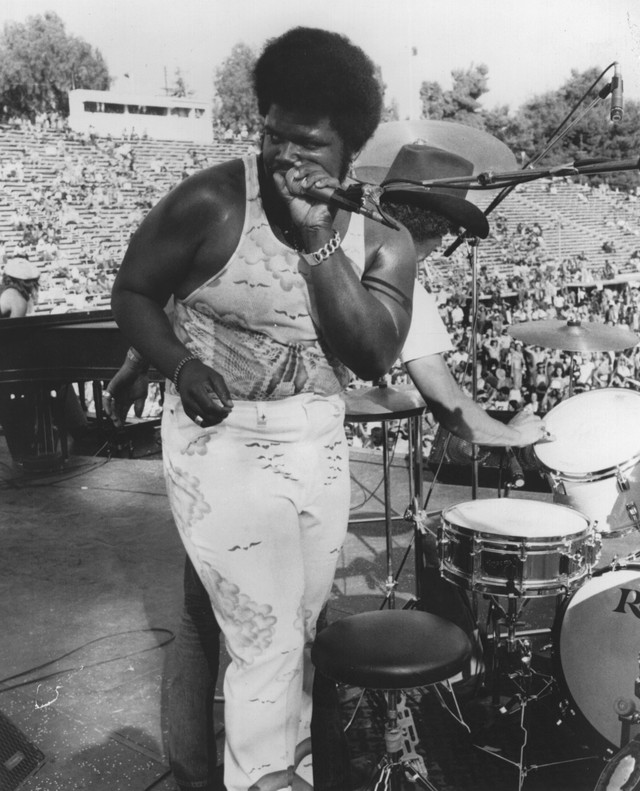
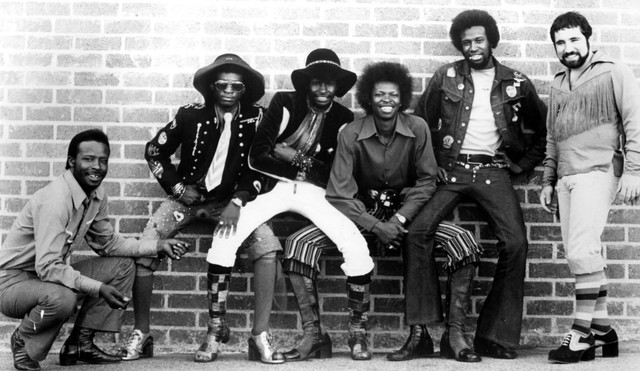
Like their West Coast contemporaries <a href="spotify:artist:5m8H6zSadhu1j9Yi04VLqD">Sly & the Family Stone</a>, the Chambers Brothers shattered racial and musical divides to forge an incendiary fusion of funk, gospel, blues, and psychedelia which reached its apex with the perennial 1968 song "Time Has Come Today." The Chambers Brothers -- bassist <a href="spotify:artist:2BWfZGPtsjRlRp7JTDqI45">George</a>, guitarist <a href="spotify:artist:3l9cMn7NYya32o1qECfybg">Willie</a>, harpist <a href="spotify:artist:1RwuWe4ZuwzTDoi5NnQXpD">Lester</a>, and guitarist Joe, all of whom contributed vocals -- were born and raised in Lee County, Mississippi; the products of an impoverished sharecropping family, the brothers first polished their vocal harmonies in the choir of their Baptist church until <a href="spotify:artist:2BWfZGPtsjRlRp7JTDqI45">George</a> was drafted into the army in 1952. Following his discharge he relocated to Los Angeles, where the other Chambers Brothers soon settled as well; the foursome began performing gospel and folk throughout Southern California in 1954, but remained virtually unknown until appearing in New York City in 1965. The addition of white drummer Brian Keenan not only made the Chambers Brothers an interracial group, but pushed their music closer to rock & roll; a well-received appearance at the Newport Folk Festival further enhanced their growing reputation, and they soon recorded their debut LP, People Get Ready.
As the Chambers Brothers toured rock clubs (including the famed Fillmore in San Francisco) and R&B venues (most notably the Apollo Theatre) alike, their music increasingly embraced elements of both; after recording 1968's Shout! for the <a href="spotify:search:label%3A%22Vault%22">Vault</a> label, the group signed to <a href="spotify:search:label%3A%22Columbia%22">Columbia</a> to issue Time Has Come Today, scoring a major pop hit with the title track, an 11-minute psychedelic soul epic in its original album incarnation. The follow-up, A New Time - A New Day, yielded another Top 40 hit, a cover of the <a href="spotify:artist:60df5JBRRPcnSpsIMxxwQm">Otis Redding</a> classic "I Can't Turn You Loose," but subsequent efforts, including 1969's Love, Peace and Happiness and 1970's Live at Fillmore East, failed to maintain the commercial momentum. Upon completing 1972's Oh My God!, the Chambers Brothers disbanded, only to reunite two years later for Unbonded. Right Move appeared in 1975, and although no new studio records were forthcoming, the group regularly performed live in the decades to follow, with the brothers also pursuing individual projects; the Chambers Family Choir, a gospel group including the siblings' children, remained a priority as well. ~ Jason Ankeny, Rovi
As the Chambers Brothers toured rock clubs (including the famed Fillmore in San Francisco) and R&B venues (most notably the Apollo Theatre) alike, their music increasingly embraced elements of both; after recording 1968's Shout! for the <a href="spotify:search:label%3A%22Vault%22">Vault</a> label, the group signed to <a href="spotify:search:label%3A%22Columbia%22">Columbia</a> to issue Time Has Come Today, scoring a major pop hit with the title track, an 11-minute psychedelic soul epic in its original album incarnation. The follow-up, A New Time - A New Day, yielded another Top 40 hit, a cover of the <a href="spotify:artist:60df5JBRRPcnSpsIMxxwQm">Otis Redding</a> classic "I Can't Turn You Loose," but subsequent efforts, including 1969's Love, Peace and Happiness and 1970's Live at Fillmore East, failed to maintain the commercial momentum. Upon completing 1972's Oh My God!, the Chambers Brothers disbanded, only to reunite two years later for Unbonded. Right Move appeared in 1975, and although no new studio records were forthcoming, the group regularly performed live in the decades to follow, with the brothers also pursuing individual projects; the Chambers Family Choir, a gospel group including the siblings' children, remained a priority as well. ~ Jason Ankeny, Rovi
Monthly Listeners
155,234
Monthly Listeners History
Track the evolution of monthly listeners over the last 28 days.
Followers
38,127
Followers History
Track the evolution of followers over the last 28 days.
Top Cities
2,654 listeners

1,815 listeners

1,759 listeners
1,680 listeners

1,622 listeners
Related Artists