Data may be outdated
Last updated: 3 months ago — Click refresh to get the latest statistics.
After graduating high school, in 1951 Day successfully auditioned for the Louisiana Hayride radio program; he soon began working with <a href="spotify:artist:1ARZrF9nU4zgdDHuBIfqMq">Pierce</a>, with whom he recorded his first sessions. He soon introduced <a href="spotify:artist:1ARZrF9nU4zgdDHuBIfqMq">Pierce</a> to pianist <a href="spotify:artist:6DQ6mdEhxCgHPqfX1niZZK">Floyd Cramer</a>, whom Day had known since junior high; these sessions produced the <a href="spotify:artist:1ARZrF9nU4zgdDHuBIfqMq">Pierce</a> smash "This Heart Belongs to Me," which hit number one just prior to Day's 18th birthday. In the spring of 1952, he also began a six-month stint backing <a href="spotify:artist:1FClsNYBUoNFtGgzeG74dW">Hank Williams</a>; in November -- less than two months before his tragic death -- <a href="spotify:artist:1FClsNYBUoNFtGgzeG74dW">Williams</a> asked Day to join a new band he planned to assemble in the year to follow. In the wake of the tragedy, Day worked with <a href="spotify:artist:7wVgfy012qNvQ607JM5Qsf">Red Sovine</a> and <a href="spotify:artist:2Ev0e8GUIX4u7d9etNLTXg">Jim Reeves</a>, and overdubbed a handful of posthumous <a href="spotify:artist:1FClsNYBUoNFtGgzeG74dW">Williams</a> recordings. He also appeared on <a href="spotify:artist:6IXaAxq9mkktxZnqlWYbxf">Mitchell Torok</a>'s 1953 hit "Caribbean."
With the advent of pedal steel guitar in 1954, Day began moving away from lap steel during a tenure with <a href="spotify:artist:05pAwLhsutiuj6gerEwGvU">Lefty Frizzell</a>; among his final sessions playing lap steel was a Louisiana Hayride date backing <a href="spotify:artist:43ZHCT0cAZBISjO8DG9PnE">Elvis Presley</a>. In early 1955 <a href="spotify:artist:43ZHCT0cAZBISjO8DG9PnE">Presley</a> assembled a backing band comprised of Day, <a href="spotify:artist:6DQ6mdEhxCgHPqfX1niZZK">Cramer</a>, guitarist <a href="spotify:artist:5f8Rx5oo9KEkjssSsBsvfh">Scotty Moore</a>, bassist <a href="spotify:artist:55A04dTMpSJsVxCNGJfjNe">Bill Black</a>, and drummer <a href="spotify:artist:3EgJdHj3GOqtBu5VxSOx0s">D.J. Fontana</a> that remained his supporting unit for much of the year; when <a href="spotify:artist:43ZHCT0cAZBISjO8DG9PnE">Presley</a> relocated to Hollywood he invited the band to join him, but both Day and <a href="spotify:artist:6DQ6mdEhxCgHPqfX1niZZK">Cramer</a> declined in order to pursue careers with the Grand Ole Opry. In 1956 Day switched permanently to pedal steel and appeared on <a href="spotify:artist:5sAg1HZePcFfhrs0G8A8OP">Ray Price</a>'s "Crazy Arms"; he soon relocated to Nashville to join <a href="spotify:artist:5sAg1HZePcFfhrs0G8A8OP">Price</a>'s band, the Cherokee Cowboys, and by extension became a member of the Opry. He also convinced <a href="spotify:artist:45txgaHQMdsBJEdcS62CGo">Jackson</a> to begin manufacturing his own pedal steel guitars, and soon the Sho-Bud, the first classic electric pedal steel, hit the market; with it came Day's first steel to bear the Blue Darlin' name.
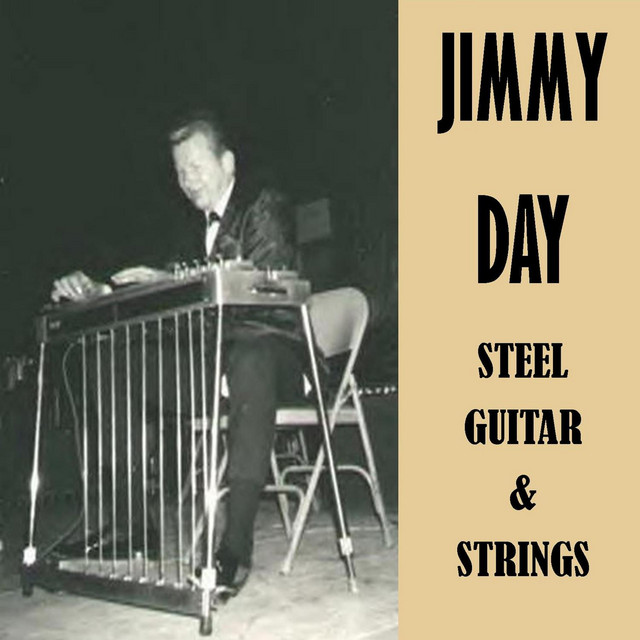
In 1955 Day cut his first instrumental single, "Rippin' Out"; over the next two years he toured extensively with <a href="spotify:artist:1ARZrF9nU4zgdDHuBIfqMq">Pierce</a> and also appeared infrequently with the Cherokee Cowboys, Ernest Tubb's Texas Troubadors, and <a href="spotify:artist:2Ev0e8GUIX4u7d9etNLTXg">Jim Reeves' Blue Boys</a>. In 1959, Day rejoined <a href="spotify:artist:5sAg1HZePcFfhrs0G8A8OP">Price</a>, where he was teamed with a young bassist named <a href="spotify:artist:5W5bDNCqJ1jbCgTxDD0Cb3">Willie Nelson</a>; when <a href="spotify:artist:5W5bDNCqJ1jbCgTxDD0Cb3">Nelson</a> broke from <a href="spotify:artist:5sAg1HZePcFfhrs0G8A8OP">Price</a> three years later, he took Day with him. By 1963 Day also began performing with <a href="spotify:artist:2OpqcUtj10HHvGG6h9VYC5">George Jones</a>, and released his debut solo LP, Steel and Strings. In the years to follow he tenured with the likes of <a href="spotify:artist:0szj7Sxtyluyjc2Arj0njB">Ferlin Husky</a>, <a href="spotify:artist:6r1Xmz7YUD4z0VRUoGm8XN">Leon Russell</a>, Clay Baker, <a href="spotify:artist:37j6GQPxPIMjo7d8lQ2KTS">Charlie Louvin</a>, and <a href="spotify:artist:6rVWskb8AOPPak8qg6dh4e">Don Walser</a>, and also cut a number of records, including All Those Years, For Jimmy Day Fans Only, and Jimmy Day and the Texas Outlaw Jam Band. He was inducted into the International Steel Guitar Hall of Fame in 1982. ~ Jason Ankeny, Rovi
Monthly Listeners
1,041
Monthly Listeners History
Track the evolution of monthly listeners over the last 28 days.
Followers
844
Followers History
Track the evolution of followers over the last 28 days.
Total Streams
184,025
Total Streams History
Track the evolution of total streams over the last 28 days. This data is calculated from all tracks listed in the artist's discography.
Top Cities

Related Artists

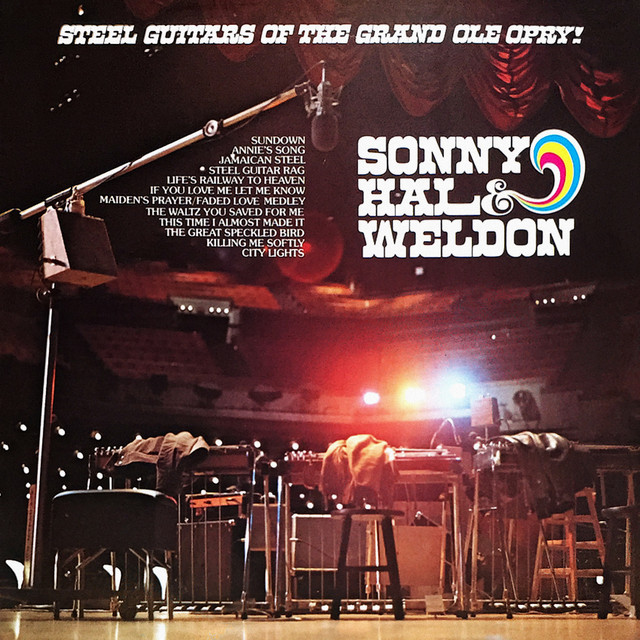
Hal Rugg

Tom Brumley And The Buckaroos
Sonny Burnette

Ray Price's Cherokee Cowboys
Roy Wiggins

Leon McAuliff
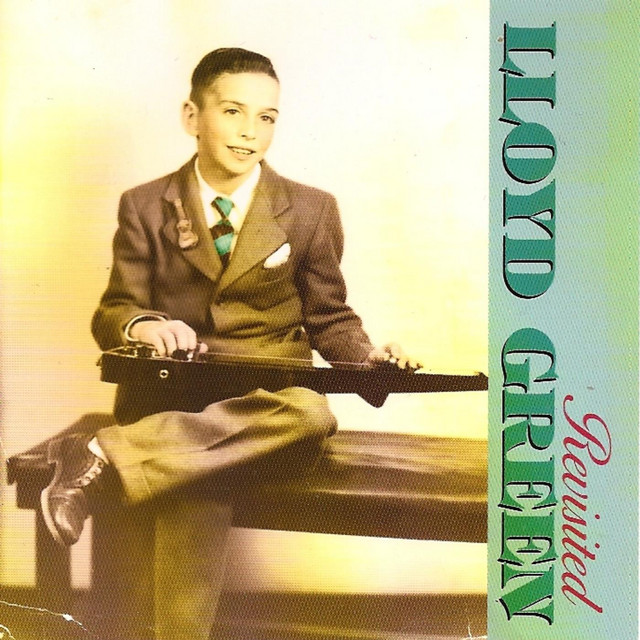
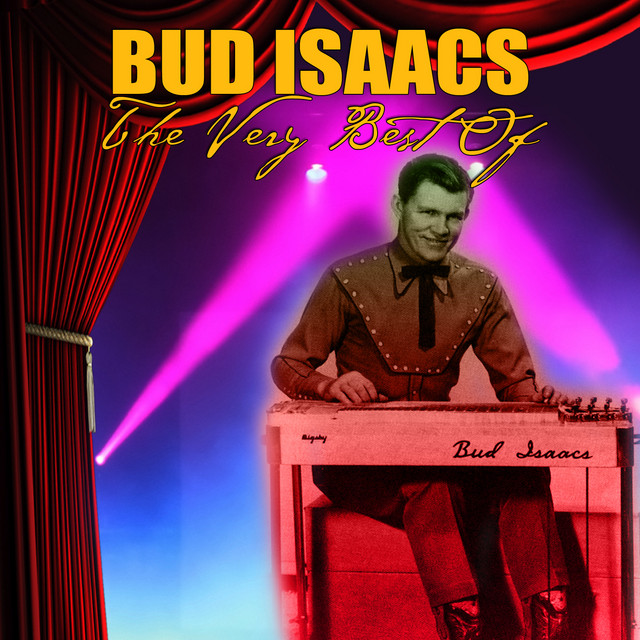
Bud Isaacs
Weldon Myrick

Bashful Brother Oswald

Noel Boggs

Curly Chalker

Walter Haynes
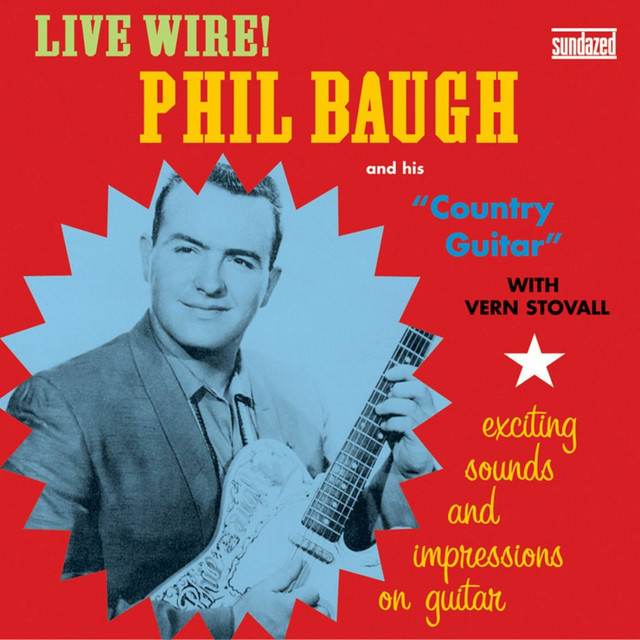
Phil Baugh
Chet Atkins and his Guitar Pickers

Biller & Wakefield
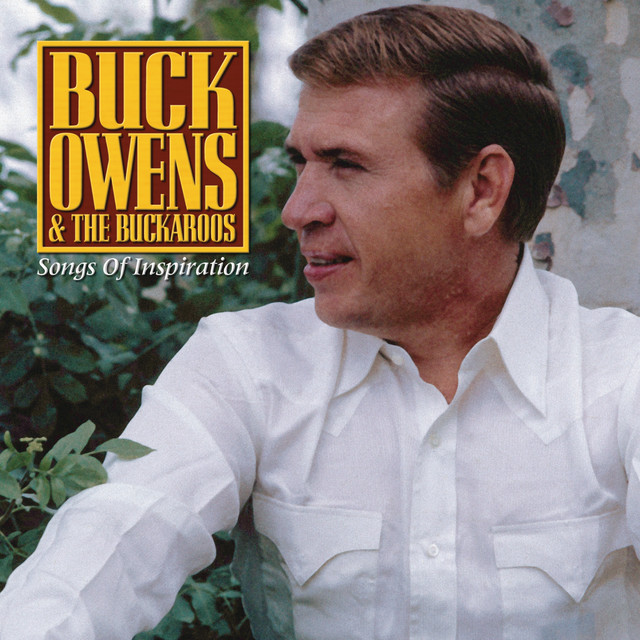

George Russell
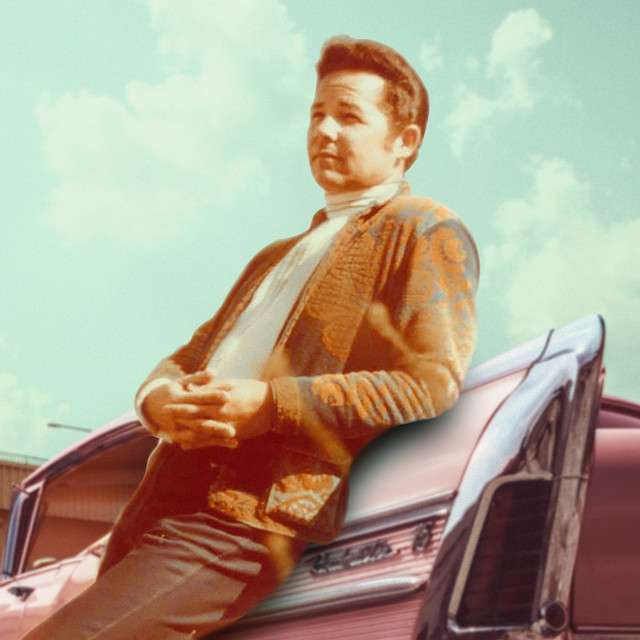
Herbie Remington


Kayton Roberts
Jeremy Wakefield
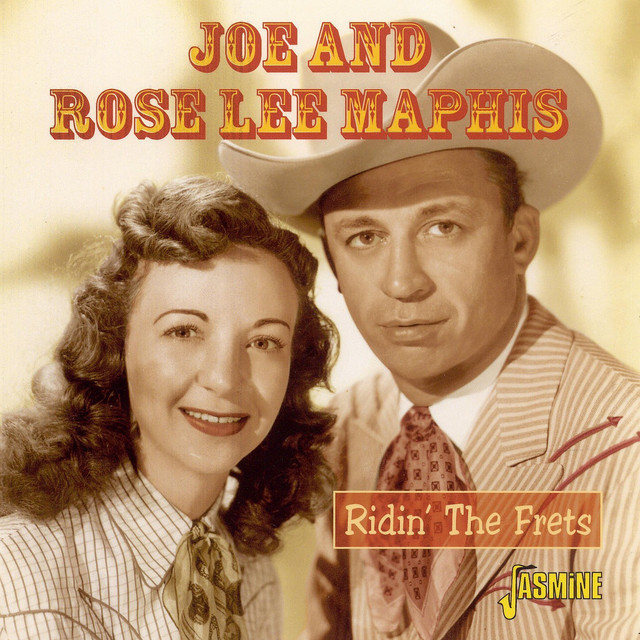
Joe and Rose Lee Maphis