Data may be outdated
Last updated: 8 months ago — Click refresh to get the latest statistics.
The conventional wisdom about Italian lutenist and composer Joan Ambrosio Dalza is that he is generally thought to have been born in Milan and probably also died there. Most of the key facts surrounding his life are at best conjectural, and his birth and death dates remain unknown. What can be said categorically, though, is that Dalza is best-remembered for his work in connection with <a href="spotify:artist:18blNsh8oMVJDyJ8LEw6vt">Petrucci</a>'s Intabolatura de lauto, libro quarto, published in Venice in December 1508. This work was the fourth volume in <a href="spotify:artist:18blNsh8oMVJDyJ8LEw6vt">Petrucci</a>'s series of lute tablatures and one of the most authoritative studies of lute technique and tablature compiled during the early Italian Renaissance. It is one of only a few surviving collections of Italian lute music predating the first printed works by Francesco da Milano, which did not appear until 1536. Whereas Petrucci's earlier collections consisted of mainly Franco-Flemish lute music, Dalza's volume now provided access to new styles, based on then fashionable dance forms derving from popular Spanish and Italian practice.
Intabolatura de lauto, libro quarto consists of 42 dances, with several linked together into small suites of three pieces, and instructions on how to combine others into longer dances; three dances are scored for two lutes. It also includes four vocal intabulations, nine ricercare, five Tastar de corde and a piece entitled Caldibi castigliano which appears to be an arrangement of the Arabic tune known as "Calvi vi valvi, calvi arravi." Dalza's book was the first to contain the pavane, a relatively new genre in 1508.
Little more than sketchy and fragmentary clues exist about the family heritage and cultural background of this important lutenist. In 2006, Jordi Savall opened up a new thread in the debate through his suggestion that Dalza may have been Andalusian, based on his name ("Joan" rather than "Giovanni") and internal stylistic evidence that places Dalza in the tradition of Arabo-Andalusian lute practices exemplified by Luis Milán.
Intabolatura de lauto, libro quarto consists of 42 dances, with several linked together into small suites of three pieces, and instructions on how to combine others into longer dances; three dances are scored for two lutes. It also includes four vocal intabulations, nine ricercare, five Tastar de corde and a piece entitled Caldibi castigliano which appears to be an arrangement of the Arabic tune known as "Calvi vi valvi, calvi arravi." Dalza's book was the first to contain the pavane, a relatively new genre in 1508.
Little more than sketchy and fragmentary clues exist about the family heritage and cultural background of this important lutenist. In 2006, Jordi Savall opened up a new thread in the debate through his suggestion that Dalza may have been Andalusian, based on his name ("Joan" rather than "Giovanni") and internal stylistic evidence that places Dalza in the tradition of Arabo-Andalusian lute practices exemplified by Luis Milán.
Monthly Listeners
24,609
Monthly Listeners History
Track the evolution of monthly listeners over the last 28 days.
Followers
1,217
Followers History
Track the evolution of followers over the last 28 days.
Top Cities
392 listeners

325 listeners

247 listeners

220 listeners

180 listeners

Related Artists
Vincenzo Capirola
Francesco Spinacino

Robert Ballard
Pierre Attaingnant

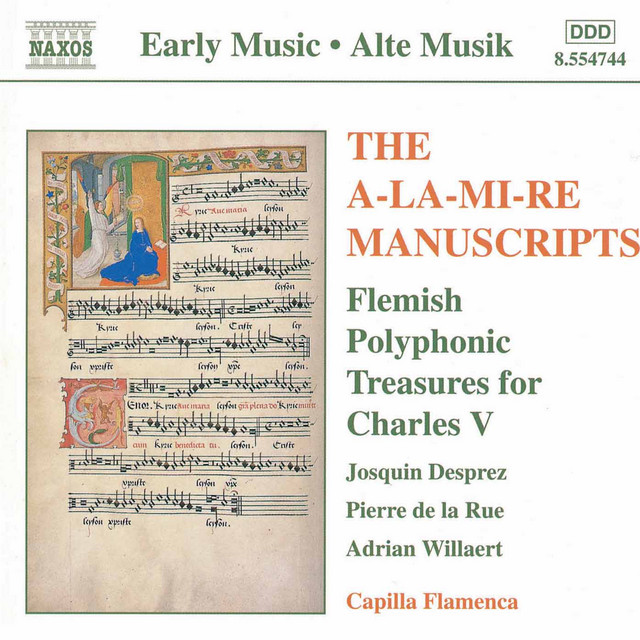


Marco Dall'Aquila

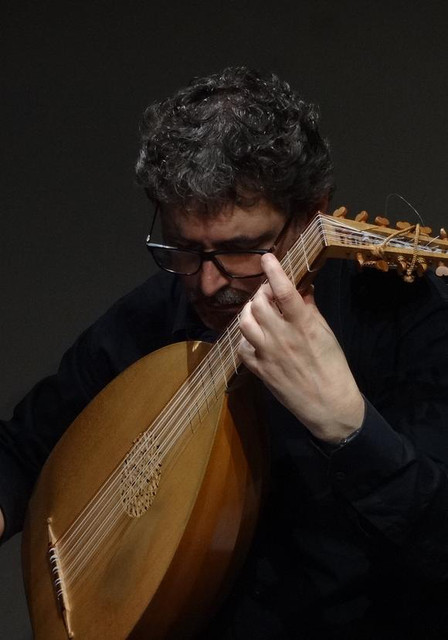
Massimo Marchese

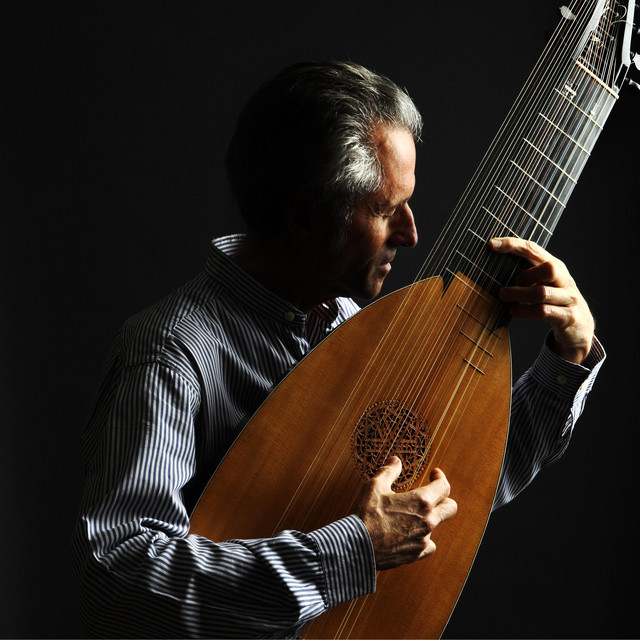

August Denhard

Munir Beken

Claude Gervaise
Antoine Busnois
Evangelina Mascardi



The New York Renaissance Band

Margaret Little

Eduardo Egüez
Charles Mouton
Konrad Ragossnig


Robert Johnson


Adrian Le Roy



Santiago De Murcia


Marc Lewon
