Genre
renaissance
Top Renaissance Artists
Showing 25 of 213 artists





About Renaissance
Renaissance music is the European soundscape that flourished roughly from the 1400s to the early 1600s, bridging the late medieval world and the early Baroque. It’s defined by a renewed interest in balance, clarity, and humanistic ideals, and by a distinctive shift toward seamless polyphony—where multiple independent vocal lines weave together into a single musical fabric. This “rebirth” period didn't happen in a single place or moment, but in courts and cathedrals across a broad belt—from the Franco-Flemish schools to Italian cities and beyond.
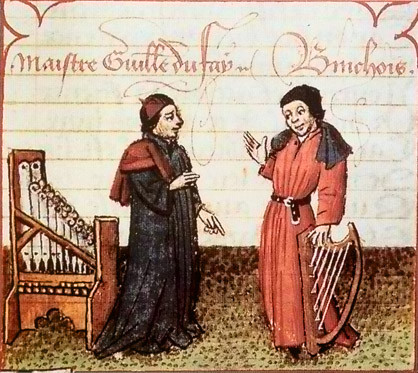
Born in the wake of the Ars Nova and the rising power of cities, Renaissance music spread as publishing and trade enabled composers to reach wider audiences. The Franco-Flemish composers—Guillaume Dufay, Gilles Binchois, Johannes Ockeghem and their successors—were early engines of this explosion, traveling across Europe and shaping a universal polyphonic language. The first great wave of masterful writing culminated in the genius of Josquin des Prez (c. 1450–1590), often celebrated as the era’s most influential voice. His seamless textures, expressive text setting, and structural clarity set a standard for generations.
As the century matured, sacred and secular genres alike flourished. In sacred music, the Mass and the motet became laboratories for counterpoint and word painting, reaching a peak in the walled sound-world of Catholic and Protestant centers alike. In Italy and beyond, the madrigal—an intimate, word-driven secular form—took center stage, evolving from simple strophic songs into rich, expressive ensembles that could rival the finest sacred works in their beauty and complexity. The period also saw the emergence of instrumental textures and polychoral techniques in the later Renaissance, especially in Venice with the Gabrieli family, who expanded the sound through spatially separated choirs and dynamic contrasts.
Key ambassadors of the Renaissance style include:
- Josquin des Prez: the quintessential Renaissance polyphonist whose works, from motets to chansons, exemplify seamless rank-and-file writing and emotional clarity.
- Giovanni Pierluigi da Palestrina: the archetypal model of counterpoint in the late 16th century, whose music became a standard-bearer for religious service and pedagogical study.
- Orlande de Lassus (Orlando di Lasso): a cosmopolitan master whose French, Italian, and Germanate timbres show the period’s multicultural reach.
- Tomás Luis de Victoria and other Iberian composers: intensifying sacred expression with Iberian sensibilities.
- Italian madrigalists and English virginalists later in the era, who kept the language fresh and experimentally lyrical.
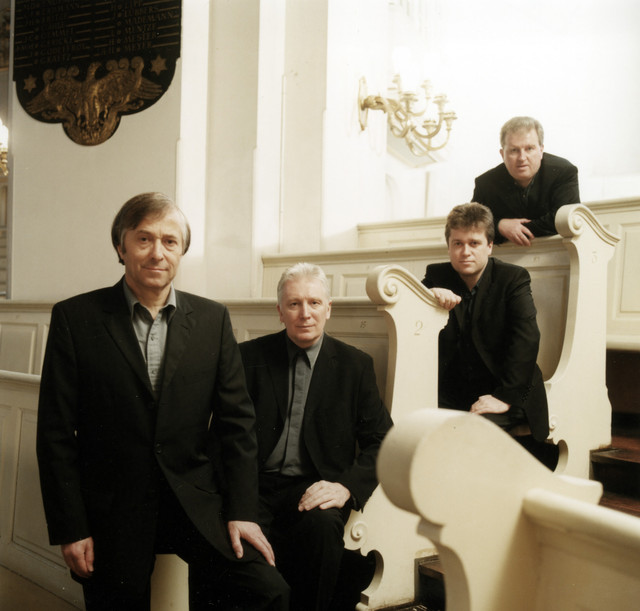
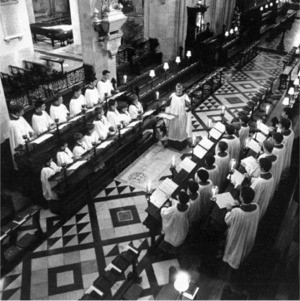
Geographically, Renaissance music was most vibrant in the Low Countries, France, and Italy, with powerful scenes in England, Spain, and the Holy Roman Empire. In modern times, it remains especially popular in Europe and North America within the early-music community: period ensembles like The Tallis Scholars, The Hilliard Ensemble, and many festival orchestras and choral groups regularly program Renaissance repertoires. It’s a niche, yet deeply influential, lineage—one that continues to attract listeners who savor the clarity of lines, the interweaving voices, and the exquisite balance of medieval echoes meeting the dawn of Baroque color.
For enthusiasts, listening to Renaissance music is an invitation to hear how composers solved musical problems with craft, nuance, and a shared sense of musical conversation. A listening path might begin with Josquin’s motets, move to Palestrina’s mass settings, then explore Lassus’s varied tonal palate and Victoria’s Spanish intensity, and finally graze the Italian madrigal’s intimate lyricism. The genre remains a cornerstone of Western art music, a testament to a cultural moment when music truly reflected a rebirth of human possibility.
Born in the wake of the Ars Nova and the rising power of cities, Renaissance music spread as publishing and trade enabled composers to reach wider audiences. The Franco-Flemish composers—Guillaume Dufay, Gilles Binchois, Johannes Ockeghem and their successors—were early engines of this explosion, traveling across Europe and shaping a universal polyphonic language. The first great wave of masterful writing culminated in the genius of Josquin des Prez (c. 1450–1590), often celebrated as the era’s most influential voice. His seamless textures, expressive text setting, and structural clarity set a standard for generations.
As the century matured, sacred and secular genres alike flourished. In sacred music, the Mass and the motet became laboratories for counterpoint and word painting, reaching a peak in the walled sound-world of Catholic and Protestant centers alike. In Italy and beyond, the madrigal—an intimate, word-driven secular form—took center stage, evolving from simple strophic songs into rich, expressive ensembles that could rival the finest sacred works in their beauty and complexity. The period also saw the emergence of instrumental textures and polychoral techniques in the later Renaissance, especially in Venice with the Gabrieli family, who expanded the sound through spatially separated choirs and dynamic contrasts.
Key ambassadors of the Renaissance style include:
- Josquin des Prez: the quintessential Renaissance polyphonist whose works, from motets to chansons, exemplify seamless rank-and-file writing and emotional clarity.
- Giovanni Pierluigi da Palestrina: the archetypal model of counterpoint in the late 16th century, whose music became a standard-bearer for religious service and pedagogical study.
- Orlande de Lassus (Orlando di Lasso): a cosmopolitan master whose French, Italian, and Germanate timbres show the period’s multicultural reach.
- Tomás Luis de Victoria and other Iberian composers: intensifying sacred expression with Iberian sensibilities.
- Italian madrigalists and English virginalists later in the era, who kept the language fresh and experimentally lyrical.
Geographically, Renaissance music was most vibrant in the Low Countries, France, and Italy, with powerful scenes in England, Spain, and the Holy Roman Empire. In modern times, it remains especially popular in Europe and North America within the early-music community: period ensembles like The Tallis Scholars, The Hilliard Ensemble, and many festival orchestras and choral groups regularly program Renaissance repertoires. It’s a niche, yet deeply influential, lineage—one that continues to attract listeners who savor the clarity of lines, the interweaving voices, and the exquisite balance of medieval echoes meeting the dawn of Baroque color.
For enthusiasts, listening to Renaissance music is an invitation to hear how composers solved musical problems with craft, nuance, and a shared sense of musical conversation. A listening path might begin with Josquin’s motets, move to Palestrina’s mass settings, then explore Lassus’s varied tonal palate and Victoria’s Spanish intensity, and finally graze the Italian madrigal’s intimate lyricism. The genre remains a cornerstone of Western art music, a testament to a cultural moment when music truly reflected a rebirth of human possibility.