Data may be outdated
Last updated: 9 months ago — Click refresh to get the latest statistics.
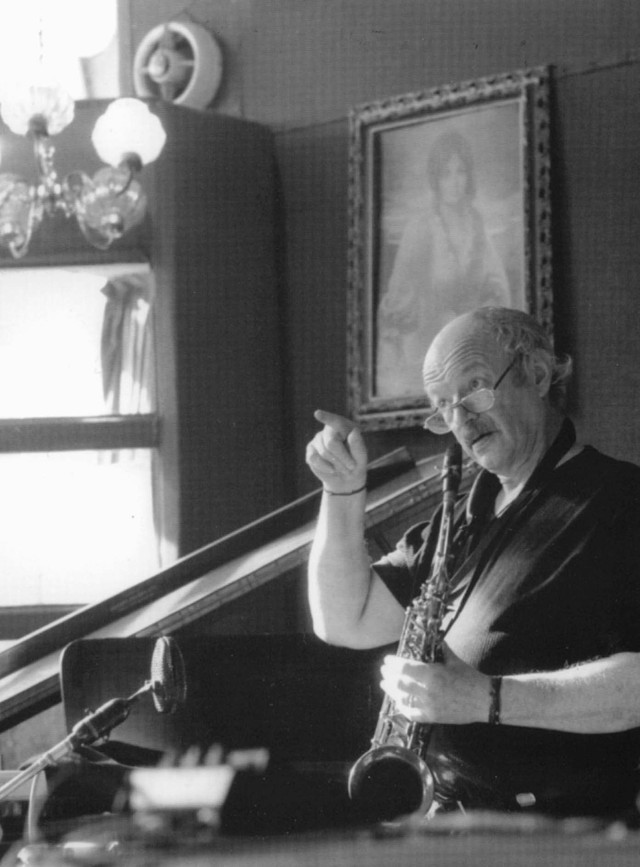
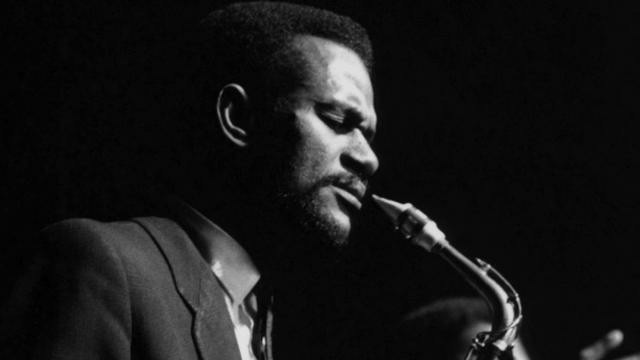
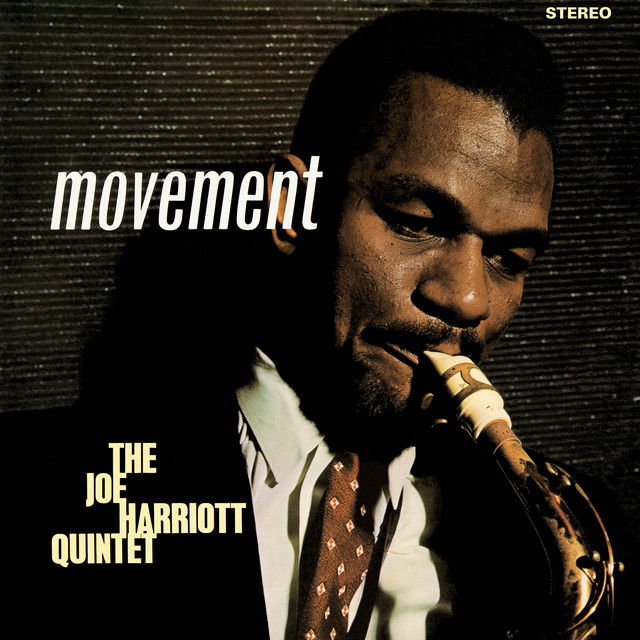
Joe Harriott's music goes virtually unheard today, yet the alto saxophonist exerted a powerful influence on early free jazz in England. The Jamaican-born and raised Harriott played with his countrymen, trumpeter <a href="spotify:artist:748mYOdaWuFH4wXCvsvInR">Dizzy Reece</a> and tenor saxophonist Wilton "Bogey" Gaynair, before emigrating to England in 1951. In London, Harriott worked freelance and in the band of trumpeter Pete Pitterson. In 1954, he landed an important gig with drummer <a href="spotify:artist:0OKfA2HedFEpbaGrV3LSPP">Tony Kinsey</a>; the next year he played in saxophonist <a href="spotify:artist:2vsL5bsgAVKdkb0wHeSy0x">Ronnie Scott</a>'s big band. His first album as a leader was 1959's Southern Horizon. Originally a bop-oriented player, Harriott gradually grew away from the conventions of that style. During a 1960 hospital stay, Harriott envisaged a new method of improvisation that, to an extent, paralleled the innovations of <a href="spotify:artist:47odibUtrN3lnWx0p0pk2P">Ornette Coleman</a>. Harriott was initially branded a mere imitator of <a href="spotify:artist:47odibUtrN3lnWx0p0pk2P">Coleman</a>, but close listening to both men reveals distinct differences in their respective styles. Harriott manifested a more explicit philosophical connection with bebop, for one thing, and his music was more concerned with ensemble interaction than was <a href="spotify:artist:47odibUtrN3lnWx0p0pk2P">Coleman</a>'s early work. The 1960 album Free Form, which included trumpeter <a href="spotify:artist:5UZYT4r7VnqbnIUFLC3akk">Shake Keane</a>, pianist <a href="spotify:artist:2TFOCCGeumlDguAVo1VZHD">Pat Smythe</a>, bassist <a href="spotify:artist:2XhzKO9IhLOQ9FYW1JUqfq">Coleridge Goode</a>, and drummer Phil Seaman, illustrated Harriott's new techniques. Beginning in 1965, he began fusing jazz with various types of world folk musics. He collaborated with Indian musician <a href="spotify:artist:7LAhrNaA7XqM2ZVnlIRnjV">John Mayer</a> on a record -- 1967's Indo-Jazz Suite -- that utilized modal and free jazz procedures. The album's traditional jazz quintet instrumentation was augmented by a violin, sitar, tambura, and tabla. Harriott's recorded output was scarce and virtually none of it remains in print. ~ Chris Kelsey, Rovi
Monthly Listeners
904
Monthly Listeners History
Track the evolution of monthly listeners over the last 28 days.
Followers
2,632
Followers History
Track the evolution of followers over the last 28 days.
Top Cities
78 listeners

10 listeners
10 listeners

9 listeners
8 listeners

Related Artists
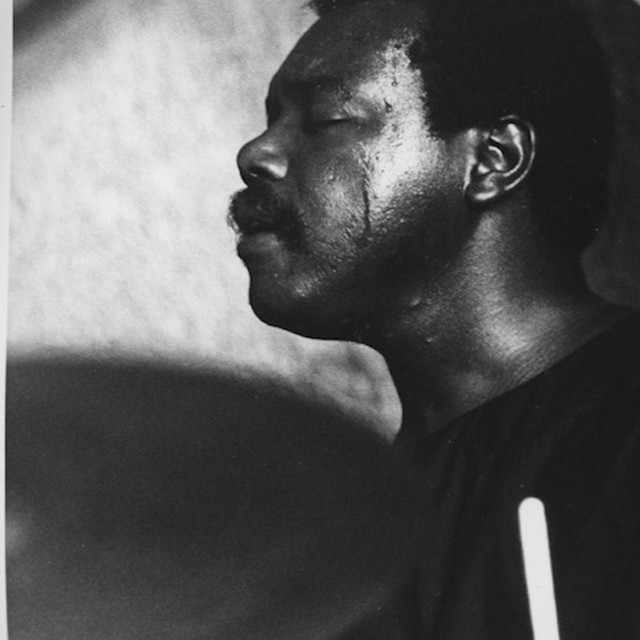
Roy Brooks
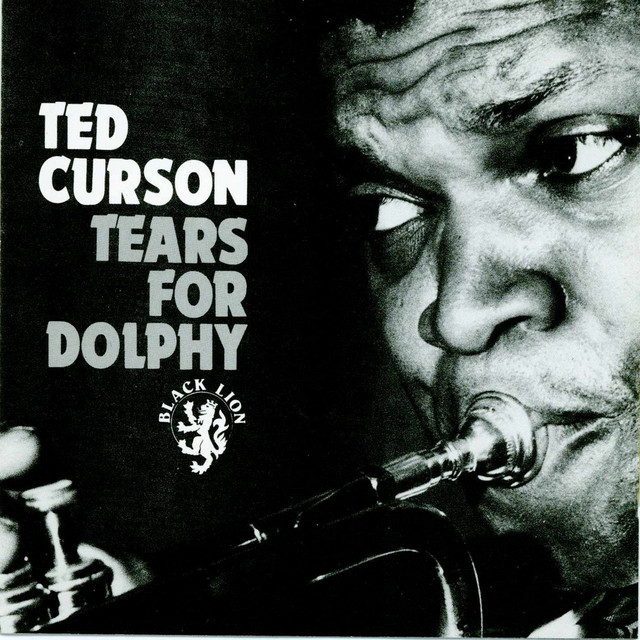
Ted Curson
Yusef A Lateef

George Russell Sextet


Art Davis
The Joe Harriott Quintet

Phil Seamen
Roland Kirk

Charles Brackeen
George Russell & His Orchestra
Sonny Simmons

The John Dankworth Orchestra
Ken Wheeler

Arthur Blythe Trio