
Data may be outdated
Last updated: 9 months ago — Click refresh to get the latest statistics.
John Gilmore's decision to play almost exclusively within the realm of Sun Ra's <a href="spotify:artist:5V5vvh5MgM7vDuPp4lJYkh">Arkestra</a> long frustrated jazz observers who felt that he could have made a bigger impact if he had had a solo career. Gilmore grew up in Chicago and after a stint in the Army (1948-1952), he worked with <a href="spotify:artist:2mY5u4CceAPrpBnse1WpFr">Earl Hines</a> (1952). In 1953, he joined <a href="spotify:artist:0tIODqvzGUoEaK26rK4pvX">Ra</a> and 40 years later, when the bandleader died, Gilmore was still there. His playing in the 1950s was an influence on the developing <a href="spotify:artist:2hGh5VOeeqimQFxqXvfCUf">John Coltrane</a> and Gilmore, who teamed up with <a href="spotify:artist:0oJCbLnXR9ZfTkwxO9tVNn">Clifford Jordan</a> for a 1957 Blue Note session, did spend 1964-1965 with <a href="spotify:artist:6QQuESLtKhAOcLW2TeWC2t">Art Blakey's Jazz Messengers</a>. However, other than a few sideman recordings in the 1960s (including with <a href="spotify:artist:0fTHKjepK5HWOrb2rkS5Em">Freddie Hubbard</a>, <a href="spotify:artist:2EsmKkHsXK0WMNGOtIhbxr">McCoy Tyner</a>, <a href="spotify:artist:4ORSNkNYSzva169PBZCzvy">Andrew Hill</a>, and <a href="spotify:artist:5HWSWx1uHCqorf70HByfjW">Pete LaRoca</a>), Gilmore stuck with <a href="spotify:artist:0tIODqvzGUoEaK26rK4pvX">Ra</a>, being well-featured both on hard bop and free-form material. He briefly headed <a href="spotify:artist:0tIODqvzGUoEaK26rK4pvX">the Arkestra</a> after <a href="spotify:artist:0tIODqvzGUoEaK26rK4pvX">Ra</a>'s death. ~ Scott Yanow, Rovi
Monthly Listeners
951
Monthly Listeners History
Track the evolution of monthly listeners over the last 28 days.
Followers
1,948
Followers History
Track the evolution of followers over the last 28 days.
Top Cities
8 listeners

6 listeners

4 listeners

4 listeners
4 listeners

Related Artists

Mal Waldron Quintet

George Adams & Don Pullen Quartet

Paul Bley Quintet

Charles Brackeen
Frank Wright Trio

The Clifford Thornton New Art Ensemble

Burton Greene

David Boykin
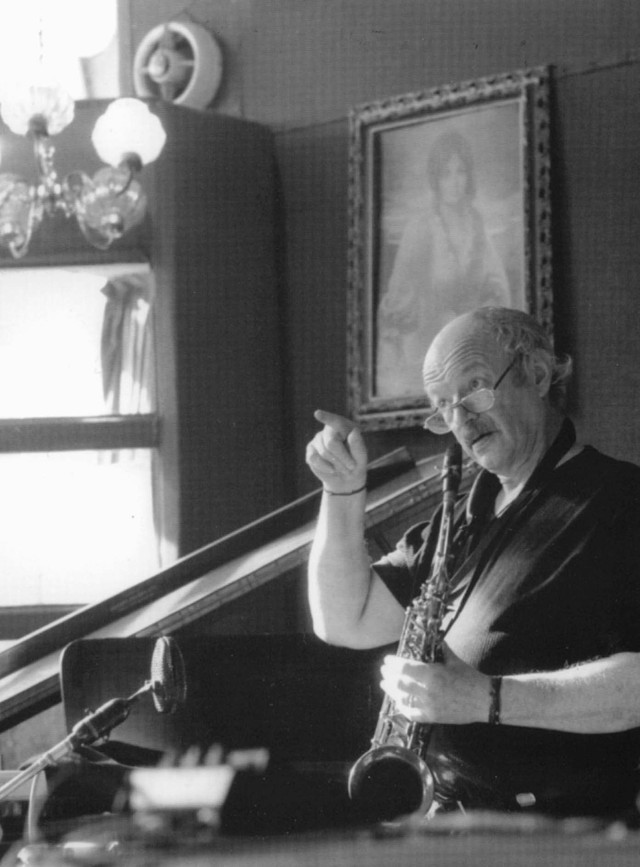
Elton Dean
Rieko Okuda
Chico Freeman Quartet

The Barry Altschul Quartet
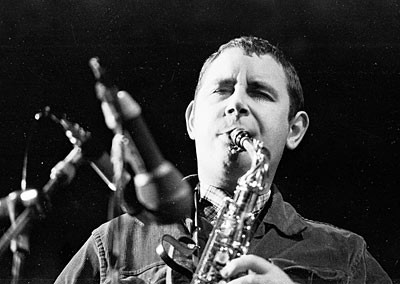
Mike Osborne


Fred Anderson Quartet

Rodrigo Amado
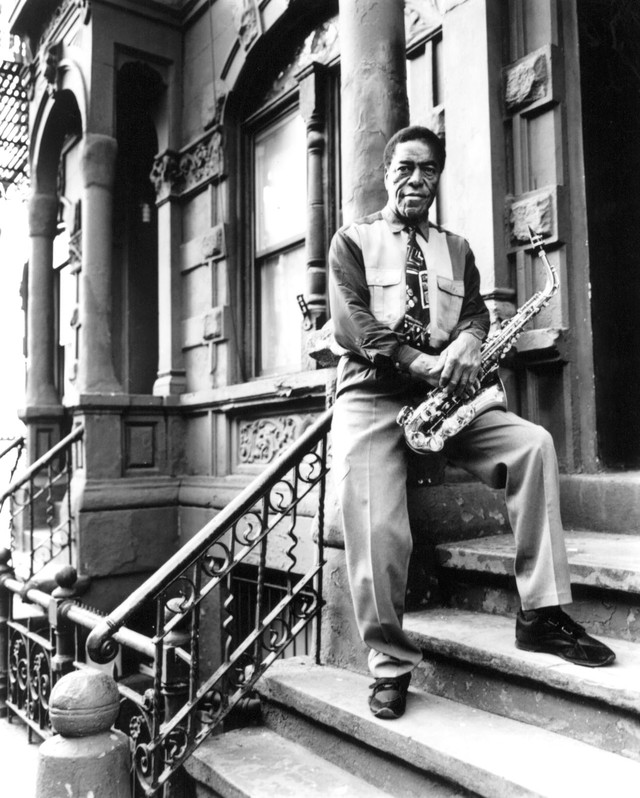
Sonny Simmons
