Genre
hard bop
Top Hard bop Artists
Showing 25 of 1,352 artists
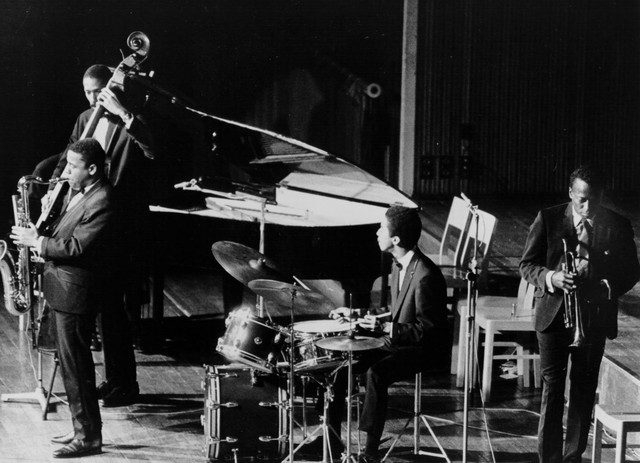
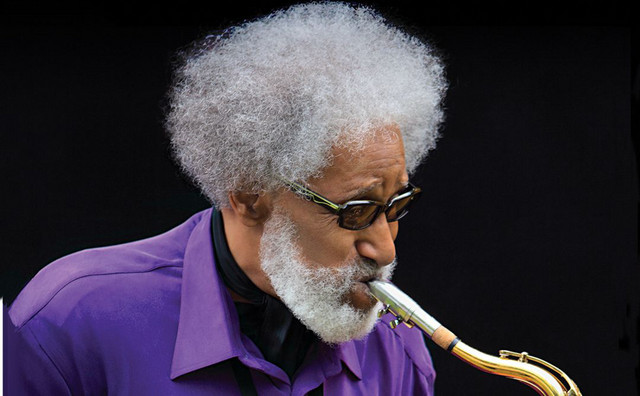
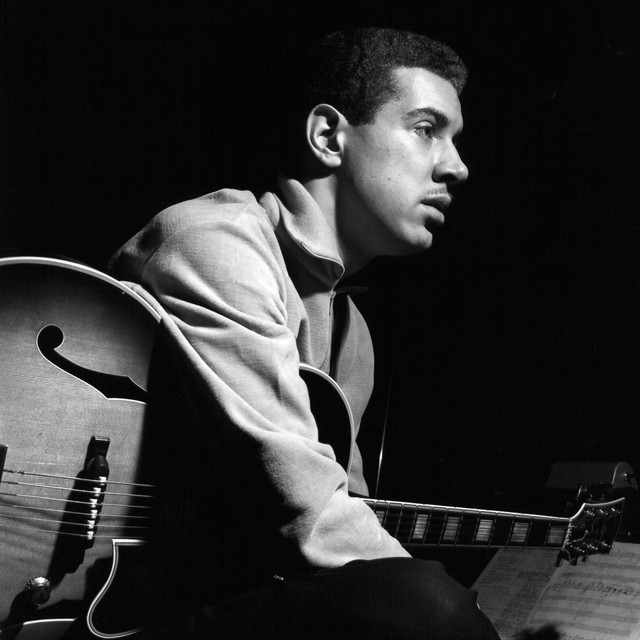
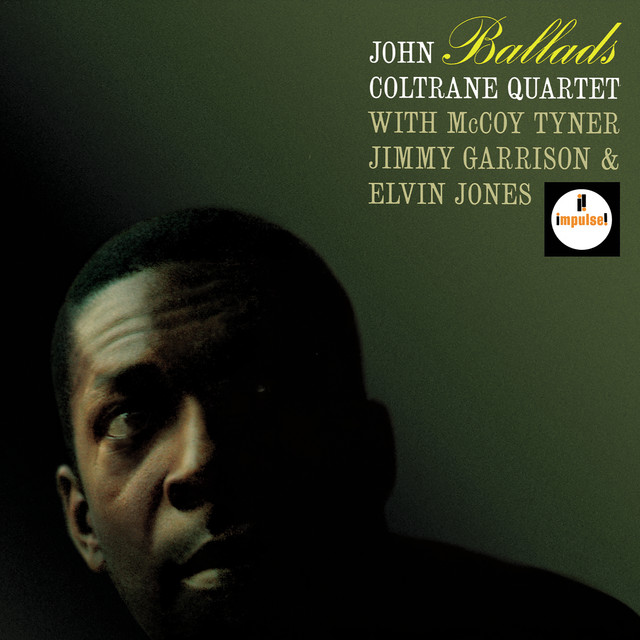
About Hard bop
Hard bop is a driving, soulful branch of jazz that emerged in the mid-1950s as a reaction to the cooler, more restrained strains of the genre and as a revival of bebop’s fiery energy with a heavier, blues- and gospel-infused outlook. Born primarily on the East Coast of the United States—especially in New York and Philadelphia—hard bop took the rapid-fire horn lines and intricate improvisation of bebop and grafted it onto a warmer, groove-oriented foundation. Musicians wanted to reconnect with the blues, R&B-inflected phrasing, and spiritual fervor that had always powered jazz’s most enduring emotional charge. The result was a style that felt both reflectively lyrical and aggressively swinging.
Musically, hard bop champions a robust, swing-forward pulse. The groove is more pronounced than in many bebop settings, with a backbeat that invites the listener to feel the music in the hips as well as the ears. Melodies tend to lean on blues scales and gospel-inflected phrases, while harmonies remain complex enough to satisfy purists. It’s not unusual to hear modal touches, but the core remains rooted in blues-based improvisation, punchy horn frontlines, tight rhythm sections, and memorable, often soulful melodic statements. The approach is both cerebral and earthy, balancing virtuosity with a sense of communication and groove that can fill a room.
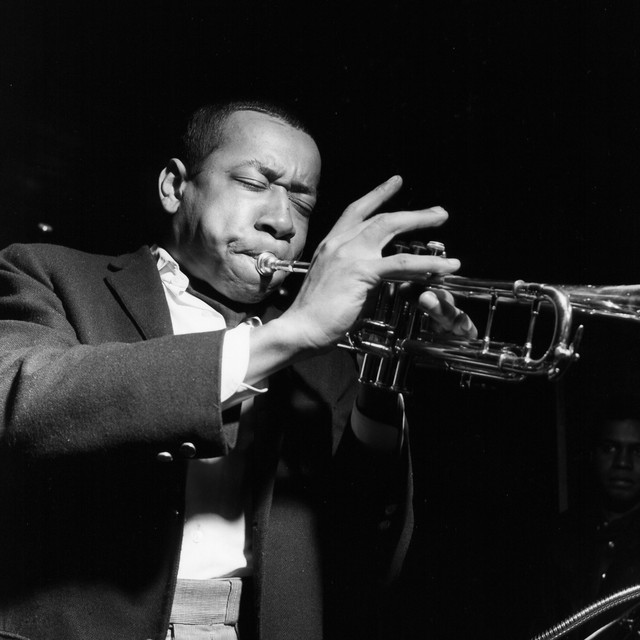
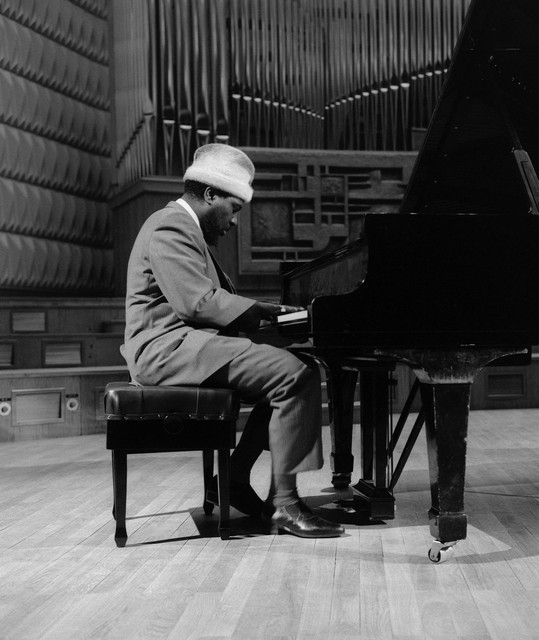
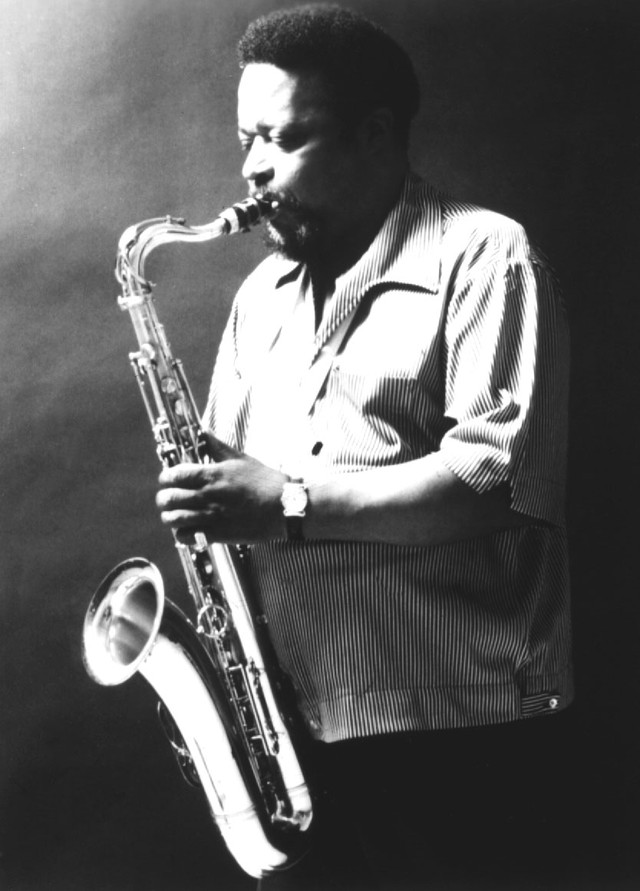
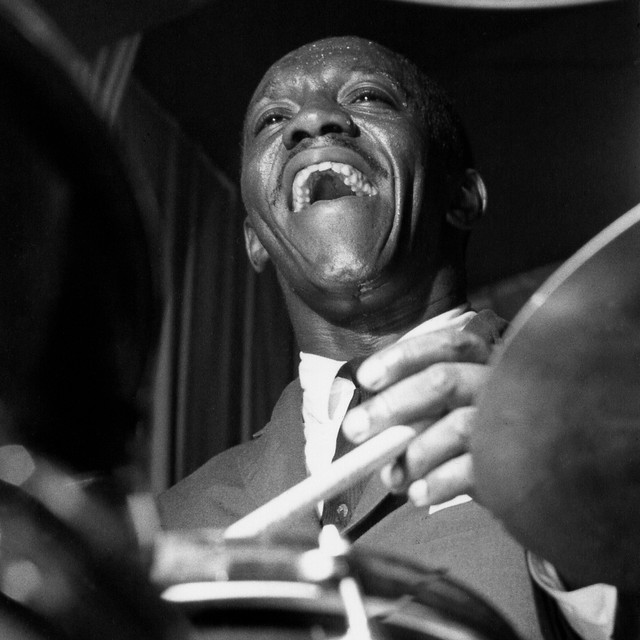
Key pioneers and ambassadors define the movement. Art Blakey and the Jazz Messengers became its most enduring flagship, turning fiery ensemble playing into a kind of rolling, communicative ceremony that carried new generations of players. Horace Silver, with his bluesy piano lines and gospel-tinged compositions, helped codify the sound through tracks like The Preacher and Monomin’ era staples that fused swing, soul, and spirituality. Other foundational voices include Clifford Brown and Max Roach, whose tight, lyric horn work and propulsive drumming helped shape a template for hard bop fronts. Later stars such as Lee Morgan, Benny Golson, Wayne Shorter, Bobby Timmons, and Cannonball Adderley expanded the repertoire with exuberant trumpet and saxophone fronts, durable themes, and memorable tunes like Moanin’, Along Came Betty, and Our Delight. The movement also benefited from the Blue Note and Riverside labels, which documented many of these groups and kept the music accessible to a broad audience.
Hard bop’s influence spread beyond its New York hubs. It remained the American standard-bearer of jazz’s late-1950s and early-1960s sound, but European audiences—especially in France, the UK, Italy, and Denmark—embraced the swing and blues grit with enthusiasm, while Japan developed a deep appreciation and even produced its own prolific contingent of hard bop players. In the broader arc of jazz history, hard bop bridged to soul jazz and, eventually, to more exploratory post-bop modes, while never losing its essential emphasis on groove, blues-rooted melody, and collective vitality.
For enthusiasts, hard bop remains a living, visceral experience: a muscular, soulful dialogue that respects bebop’s complexity but never loses sight of pulse, emotion, and the human voice behind the instrument.
Musically, hard bop champions a robust, swing-forward pulse. The groove is more pronounced than in many bebop settings, with a backbeat that invites the listener to feel the music in the hips as well as the ears. Melodies tend to lean on blues scales and gospel-inflected phrases, while harmonies remain complex enough to satisfy purists. It’s not unusual to hear modal touches, but the core remains rooted in blues-based improvisation, punchy horn frontlines, tight rhythm sections, and memorable, often soulful melodic statements. The approach is both cerebral and earthy, balancing virtuosity with a sense of communication and groove that can fill a room.
Key pioneers and ambassadors define the movement. Art Blakey and the Jazz Messengers became its most enduring flagship, turning fiery ensemble playing into a kind of rolling, communicative ceremony that carried new generations of players. Horace Silver, with his bluesy piano lines and gospel-tinged compositions, helped codify the sound through tracks like The Preacher and Monomin’ era staples that fused swing, soul, and spirituality. Other foundational voices include Clifford Brown and Max Roach, whose tight, lyric horn work and propulsive drumming helped shape a template for hard bop fronts. Later stars such as Lee Morgan, Benny Golson, Wayne Shorter, Bobby Timmons, and Cannonball Adderley expanded the repertoire with exuberant trumpet and saxophone fronts, durable themes, and memorable tunes like Moanin’, Along Came Betty, and Our Delight. The movement also benefited from the Blue Note and Riverside labels, which documented many of these groups and kept the music accessible to a broad audience.
Hard bop’s influence spread beyond its New York hubs. It remained the American standard-bearer of jazz’s late-1950s and early-1960s sound, but European audiences—especially in France, the UK, Italy, and Denmark—embraced the swing and blues grit with enthusiasm, while Japan developed a deep appreciation and even produced its own prolific contingent of hard bop players. In the broader arc of jazz history, hard bop bridged to soul jazz and, eventually, to more exploratory post-bop modes, while never losing its essential emphasis on groove, blues-rooted melody, and collective vitality.
For enthusiasts, hard bop remains a living, visceral experience: a muscular, soulful dialogue that respects bebop’s complexity but never loses sight of pulse, emotion, and the human voice behind the instrument.