Data may be outdated
Last updated: 9 months ago — Click refresh to get the latest statistics.
John Stafford Smith has been called "virtually the first English musicologist." He was also a popular composer of glees (unaccompanied part songs) and remains a significant figure in American history as the composer of the tune that Francis Scott Key adapted into "The Star-Spangled Banner," the national anthem of the United States. Smith's father Martin was the longtime organist at Gloucester Cathedral (1739 - 1781). After studying with <a href="spotify:artist:7ACr1vVXFFwfQVyJm9J54z">William Boyce</a> in London, Smith began a long association with the Chapel Royal, starting as a chorister in 1761, later becoming a Gentleman of the Chapel (1784), an organist (1802), and from 1805 - 1817 the Chapel's Master of the Children. He also held positions as a lay vicar at Westminster Abbey (starting in 1785) and organist for the Gloucester Music Meeting (from 1790).
As early as 1773, Smith won prizes from the Catch Club for his songs and over the next few decades, published five collections of glees. Songs like "Flora Now Calleth Forth Each Flower" became popular hits. His fame was such that in 1766, he became a member of the select London drinking and singing club the Royal Anacreontic Society (named after the sixth-century B.C.E. Greek poet Anacreon). Around 1775, he wrote the music for a song that became the "constitutional song" of the Society, "To Anacreon in Heaven." This melody gained wide circulation and was borrowed for the early patriotic song "Adams and Liberty" (setting poems to popular pre-existing melodies was then commonplace). Francis Scott Key had first used Smith's tune to accompany his 1805 poem When the Warrior Returns from the Battle Afar and returned to it for his Defense of Fort M'Henry, inspired by the attack of Fort McHenry, MA, by the British fleet in 1814 (during the War of 1812). The U.S. Army and Navy adopted the song and in 1931, the U.S. Congress officially made what became known as "The Star-Spangled Banner," the country's national anthem.
Smith was an avid collector of rare music manuscripts and such was his expertise that he aided in assembling the music examples for <a href="spotify:artist:20BPdf7OJaUZd854ldzPj5">Sir John Hawkins</a>' General History of the Science and Practice of Music (1776 - 1789). In 1812, Smith published his huge Musica Antiqua, an anthology of vocal works and dance tunes from the twelfth through eighteenth centuries for which he drew extensively on his own manuscript collection, providing historical annotations for each work. The volume remained in use through the nineteenth century and reinforced Smith's reputation as a musicologist.
As early as 1773, Smith won prizes from the Catch Club for his songs and over the next few decades, published five collections of glees. Songs like "Flora Now Calleth Forth Each Flower" became popular hits. His fame was such that in 1766, he became a member of the select London drinking and singing club the Royal Anacreontic Society (named after the sixth-century B.C.E. Greek poet Anacreon). Around 1775, he wrote the music for a song that became the "constitutional song" of the Society, "To Anacreon in Heaven." This melody gained wide circulation and was borrowed for the early patriotic song "Adams and Liberty" (setting poems to popular pre-existing melodies was then commonplace). Francis Scott Key had first used Smith's tune to accompany his 1805 poem When the Warrior Returns from the Battle Afar and returned to it for his Defense of Fort M'Henry, inspired by the attack of Fort McHenry, MA, by the British fleet in 1814 (during the War of 1812). The U.S. Army and Navy adopted the song and in 1931, the U.S. Congress officially made what became known as "The Star-Spangled Banner," the country's national anthem.
Smith was an avid collector of rare music manuscripts and such was his expertise that he aided in assembling the music examples for <a href="spotify:artist:20BPdf7OJaUZd854ldzPj5">Sir John Hawkins</a>' General History of the Science and Practice of Music (1776 - 1789). In 1812, Smith published his huge Musica Antiqua, an anthology of vocal works and dance tunes from the twelfth through eighteenth centuries for which he drew extensively on his own manuscript collection, providing historical annotations for each work. The volume remained in use through the nineteenth century and reinforced Smith's reputation as a musicologist.
Monthly Listeners
7,988
Monthly Listeners History
Track the evolution of monthly listeners over the last 28 days.
Followers
582
Followers History
Track the evolution of followers over the last 28 days.
Top Cities



Related Artists
US Army Band and Chorus
USAF Heritage of American Band
129th Army Band
United States Air Force Heritage of America Band
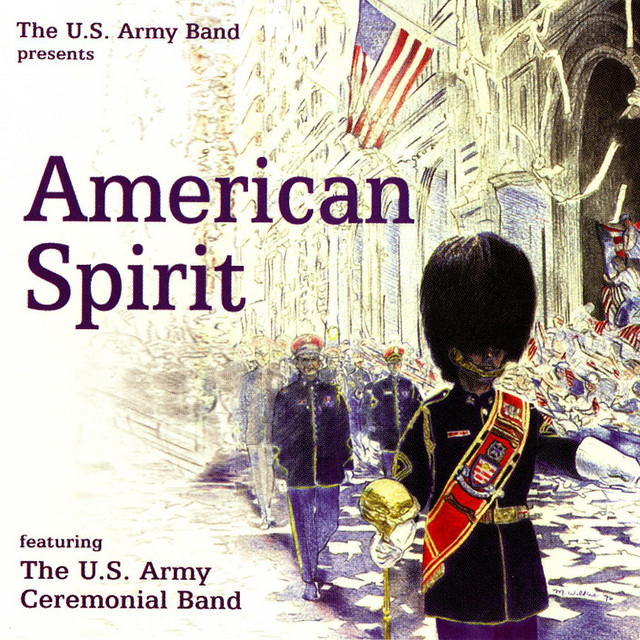
United States Army Ceremonial Band

Bands of the US Army, Navy, Air Force, Marines, and Coast Guard

The United States Air Force Academy Band
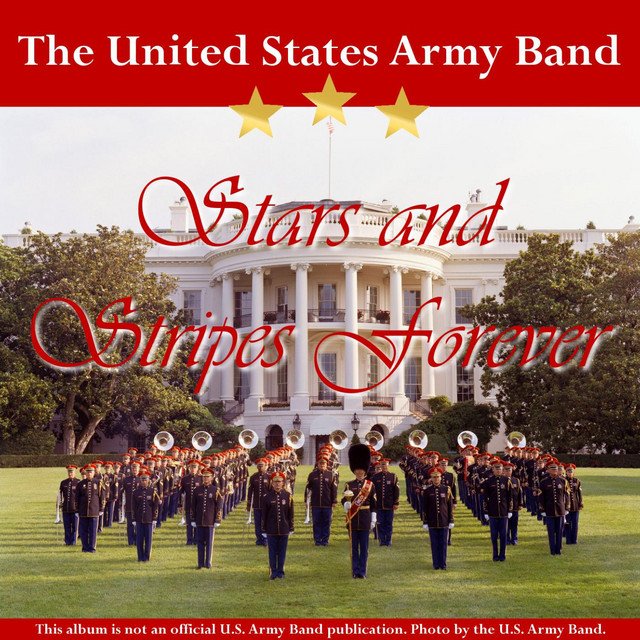

US Military Academy Band
U.S. Navy Band
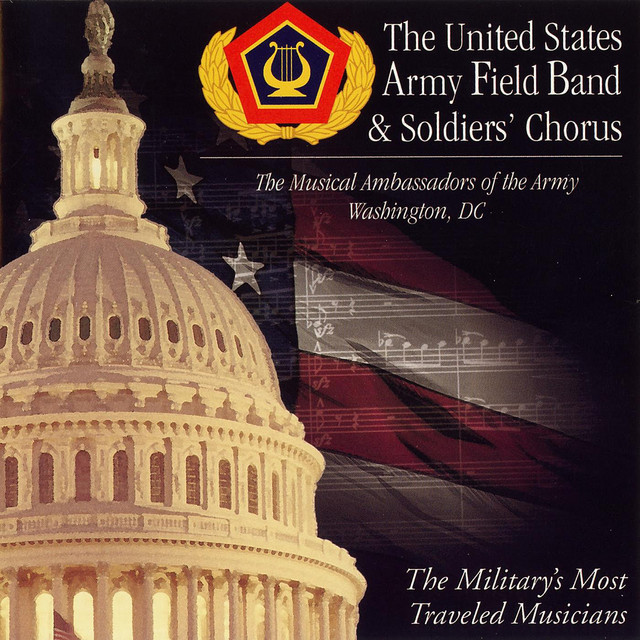
US Army Field Band and Soldiers' Chorus
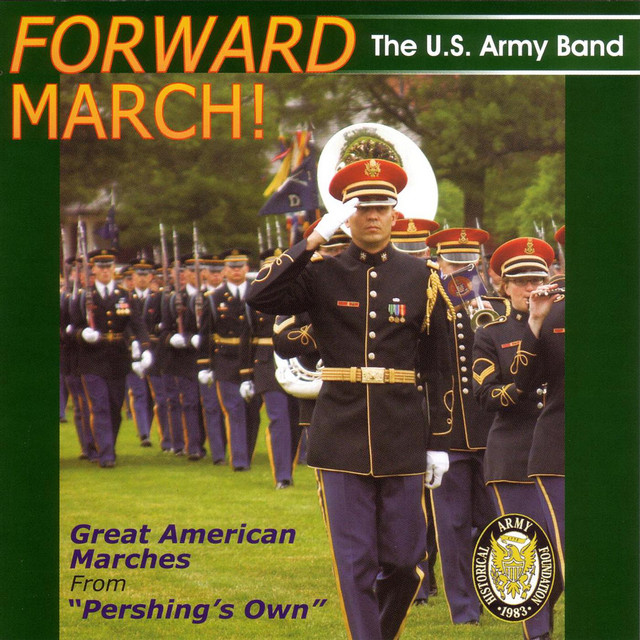
US Army Band
James Sanderson
Charles Zimmerman
US Army Chorus
Henry Carey
Julia Ward Howe

The Capitol Symphony Orchestra

US Navy Band Sea Chanters Chorus
Eastman Symphonic Wind Ensemble
Edmund Gruber
CWU Concert Band


The Band of the Corps of Royal Engineers
George Frederick Root
Edwin Philip Pryor

Amercan Patriots Orchestra