Data may be outdated
Last updated: 9 months ago — Click refresh to get the latest statistics.
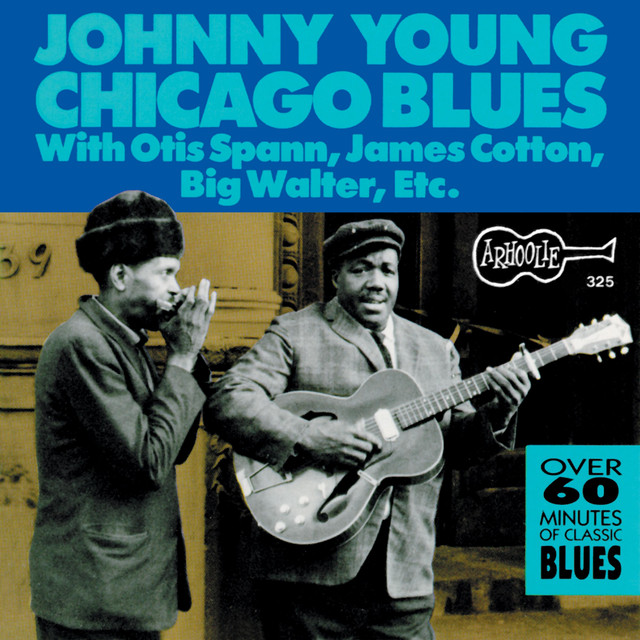
Although the mandolin is not an instrument commonly associated with Chicago blues, it has been used by Chicago-based string bands or on Chicago-made recordings by artists such as <a href="spotify:artist:3utFz05u0BMh24xdsryHs1">Carl Martin</a>, Charles and <a href="spotify:artist:3rTgStIOfOg2Q1Ewj2mrWU">Joe McCoy</a>, and <a href="spotify:artist:6wyXUJAKHlQHuWxvLliPIz">Yank Rachell</a>. However, the only artist to use it successfully in the later electric blues format was Mississippi-born bluesman Johnny Young.
An important figure in blues history, Young loved the rough-and-tumble string band tradition of the Delta, a style that readily co-existed with blues.
Young's initial 1947 Chicago classic, "Money Taking Women," exhibits the same exuberant down-home sound, fusing blues with the older country breakdown traditions. The string band ensemble sound suited street performance as well, whether in Memphis or in Chicago's open air Maxwell Street Market, where Young and his cronies were brought in off the streets to record. Over the years, Young's mandolin activity declined as Chicago's African-American blues audience demanded a more modern and urban sound. Since Young was also a skilled guitarist and a fine vocalist, he easily weathered the transition.
During the late '60s, an emerging white blues-revival audience proved eager for Young's mandolin styling. Unlike <a href="spotify:artist:6wyXUJAKHlQHuWxvLliPIz">Yank Rachell</a>, whose mandolin playing retained an older string band feel, Young's style was firmly grounded in a more contemporary postwar blues idiom, and he interacted well with other electric blues artists. Throughout his life, he had worked with the major figures of blues history, including <a href="spotify:artist:69VgCcXFV59QuQWEXSTxfK">Sonny Boy Williamson</a>, <a href="spotify:artist:4y6J8jwRAwO4dssiSmN91R">Muddy Waters</a>, Walter Horton, and <a href="spotify:artist:0xeI9Z0Uhs8bYGBRpqq88X">Otis Spann</a>. He was, he insisted, born to be a musician. When interviewed shortly before he died, he said he had struggled all his life trying to make it in the music business. An emotional man, he hoped he would live long enough to make enough money to buy a house. He never made it. ~ Barry Lee Pearson, Rovi
An important figure in blues history, Young loved the rough-and-tumble string band tradition of the Delta, a style that readily co-existed with blues.
Young's initial 1947 Chicago classic, "Money Taking Women," exhibits the same exuberant down-home sound, fusing blues with the older country breakdown traditions. The string band ensemble sound suited street performance as well, whether in Memphis or in Chicago's open air Maxwell Street Market, where Young and his cronies were brought in off the streets to record. Over the years, Young's mandolin activity declined as Chicago's African-American blues audience demanded a more modern and urban sound. Since Young was also a skilled guitarist and a fine vocalist, he easily weathered the transition.
During the late '60s, an emerging white blues-revival audience proved eager for Young's mandolin styling. Unlike <a href="spotify:artist:6wyXUJAKHlQHuWxvLliPIz">Yank Rachell</a>, whose mandolin playing retained an older string band feel, Young's style was firmly grounded in a more contemporary postwar blues idiom, and he interacted well with other electric blues artists. Throughout his life, he had worked with the major figures of blues history, including <a href="spotify:artist:69VgCcXFV59QuQWEXSTxfK">Sonny Boy Williamson</a>, <a href="spotify:artist:4y6J8jwRAwO4dssiSmN91R">Muddy Waters</a>, Walter Horton, and <a href="spotify:artist:0xeI9Z0Uhs8bYGBRpqq88X">Otis Spann</a>. He was, he insisted, born to be a musician. When interviewed shortly before he died, he said he had struggled all his life trying to make it in the music business. An emotional man, he hoped he would live long enough to make enough money to buy a house. He never made it. ~ Barry Lee Pearson, Rovi
Monthly Listeners
616
Monthly Listeners History
Track the evolution of monthly listeners over the last 28 days.
Followers
1,735
Followers History
Track the evolution of followers over the last 28 days.
Top Cities
14 listeners

13 listeners

10 listeners

9 listeners
8 listeners
Related Artists
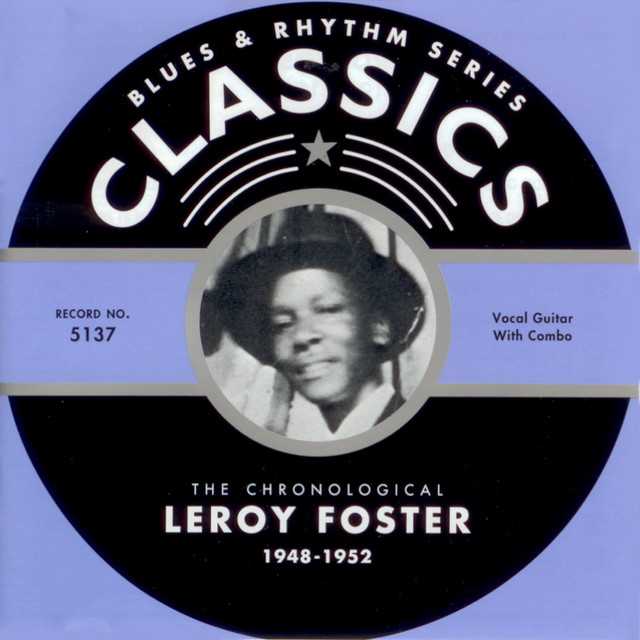
Baby Face Leroy Foster

Walter 'Shakey' Horton
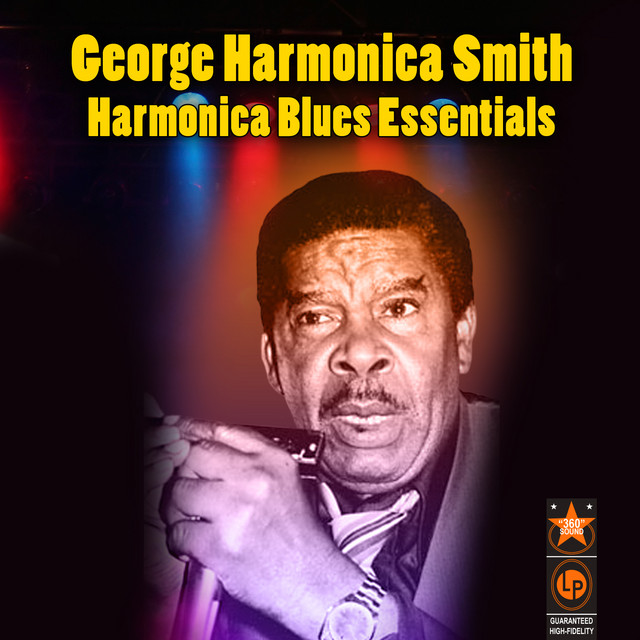
George "Harmonica" Smith

George Smith
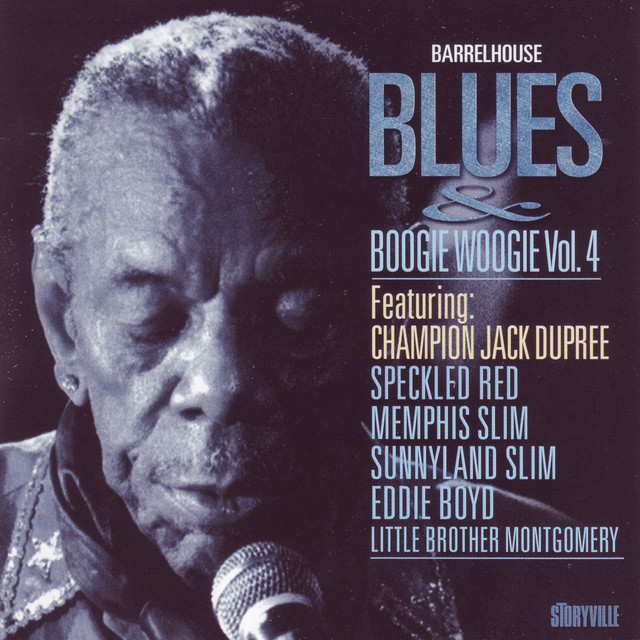
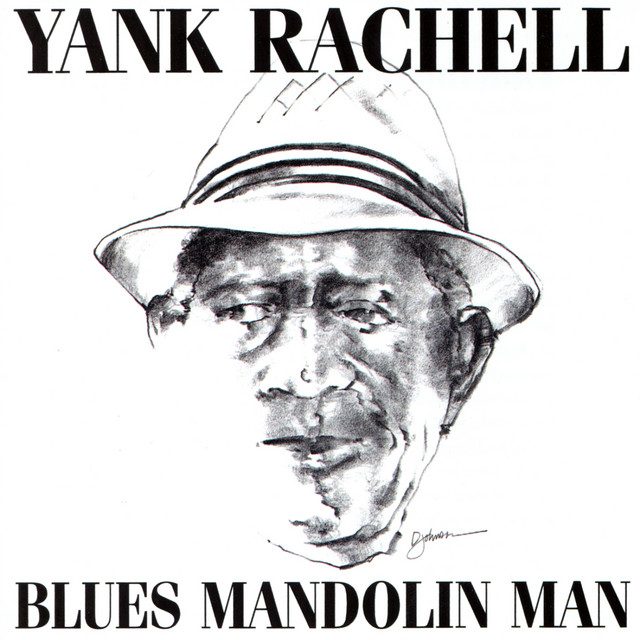
Yank Rachell
Shakey Jake

The Aces


Brownie McGee

Jazz Gillum

Axel Stormrider
Little Sam Davis

Cousin Joe