Data may be outdated
Last updated: 9 months ago — Click refresh to get the latest statistics.
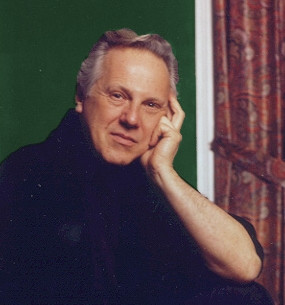
Jón Leifs was a highly individual voice who ushered in a style of Icelandic nationalism in music, much the way <a href="spotify:artist:7jzR5qj8vFnSu5JHaXgFEr">Sibelius</a> did in Finland. Not that his music sounded anything like that of <a href="spotify:artist:7jzR5qj8vFnSu5JHaXgFEr">Sibelius</a>: Leifs was a modernist, perhaps not as radical as <a href="spotify:artist:5U827e4jbYz6EjtN0fIDt9">Schoenberg</a> and his disciples, but a creator of imaginative, often compelling scores that were not easily accessible. His music typically features string tremolos, chordal progressions that evolve slowly, frequent use of parallel fifths, as well as thirds and fourths, and an often harsh and primitive sound. He also frequently used folk melodies and styles, and like <a href="spotify:artist:5zyNXVd952fWOjkdGHCvPd">Bartók</a>, made several efforts to collect folk themes. As an orchestrator he set himself apart from most of his contemporaries in his colorful manner of scoring and use of primitive-sounding percussion instruments: anvil, chains, and even rocks. His choral and vocal writing is often just as unusual, making enormous demands on the performer, with challenging leaps and uncomfortably high notes, as well as other bewildering requirements. While Leifs' music is not internationally popular, many of his compositions are available on recordings, and renewed interest in his works since the late twentieth century augurs well for his future reputation.
Leifs was born in Sólheimar, Iceland, on May 1, 1899. From 1916 he studied composition at the Leipzig Conservatory in Germany with Aládar Szendrei and Paul Graener. He also studied piano and conducting there, and graduated in 1921.
Leifs mostly lived in Germany from 1916-1944 and ran afoul of the Nazis during the latter years of this period, owing to his marriage to Jewish pianist Annie Riethof and to his progressive-sounding music. His 1941 Organ Concerto received a poor reception and afterwards little of his music was played in Germany. After settling in Sweden in 1944, Leifs and his wife divorced, and he returned to Iceland in 1945. Following the drowning death of his daughter in 1947, Leifs was inspired to write several important compositions, including the string quartet Vita et Mors and the moving choral work Requiem.
The 1950s were a turbulent time for Leifs: because of the poor reception of several older works, including the Saga-Symphony (1941-1942), he lost all confidence in his compositional skills; in addition, his second marriage failed. Leifs rebounded after he married again (1956) and thereafter produced a string of highly imaginative works, including the massive tone poem for orchestra and chorus, Hekla (1961).
Leifs was born in Sólheimar, Iceland, on May 1, 1899. From 1916 he studied composition at the Leipzig Conservatory in Germany with Aládar Szendrei and Paul Graener. He also studied piano and conducting there, and graduated in 1921.
Leifs mostly lived in Germany from 1916-1944 and ran afoul of the Nazis during the latter years of this period, owing to his marriage to Jewish pianist Annie Riethof and to his progressive-sounding music. His 1941 Organ Concerto received a poor reception and afterwards little of his music was played in Germany. After settling in Sweden in 1944, Leifs and his wife divorced, and he returned to Iceland in 1945. Following the drowning death of his daughter in 1947, Leifs was inspired to write several important compositions, including the string quartet Vita et Mors and the moving choral work Requiem.
The 1950s were a turbulent time for Leifs: because of the poor reception of several older works, including the Saga-Symphony (1941-1942), he lost all confidence in his compositional skills; in addition, his second marriage failed. Leifs rebounded after he married again (1956) and thereafter produced a string of highly imaginative works, including the massive tone poem for orchestra and chorus, Hekla (1961).
Monthly Listeners
3,217
Monthly Listeners History
Track the evolution of monthly listeners over the last 28 days.
Followers
1,346
Followers History
Track the evolution of followers over the last 28 days.
Top Cities
123 listeners

101 listeners

45 listeners

36 listeners

30 listeners

Related Artists

Cynthia Millar

Robert Moran

Joep Franssens
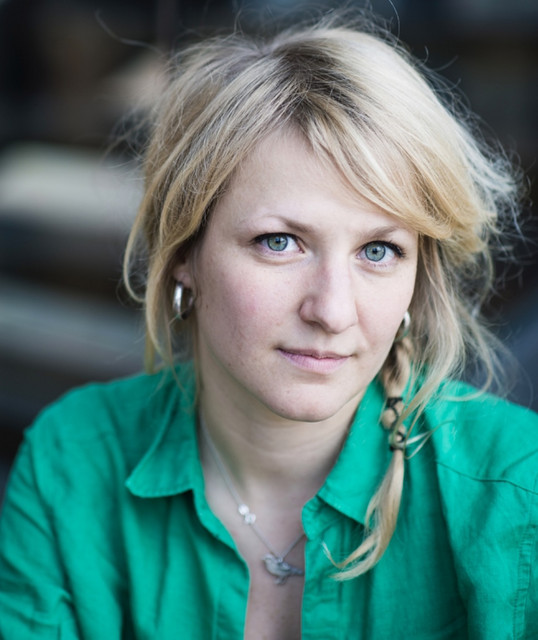
Andrea Tarrodi
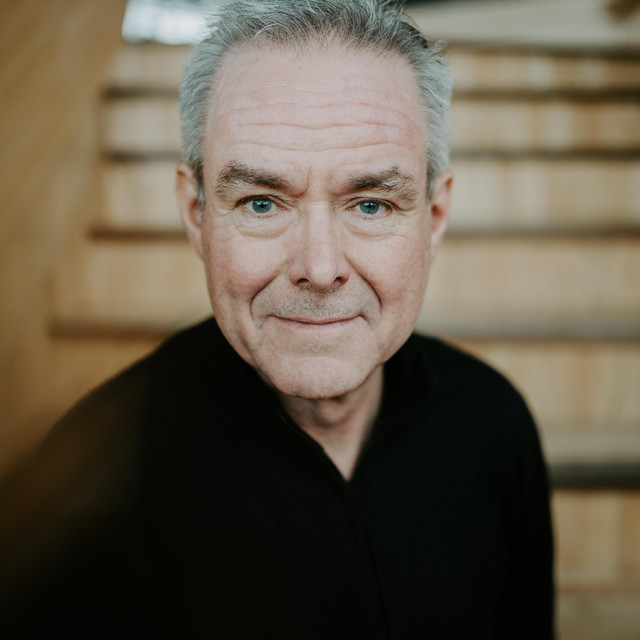
Nils Henrik Asheim
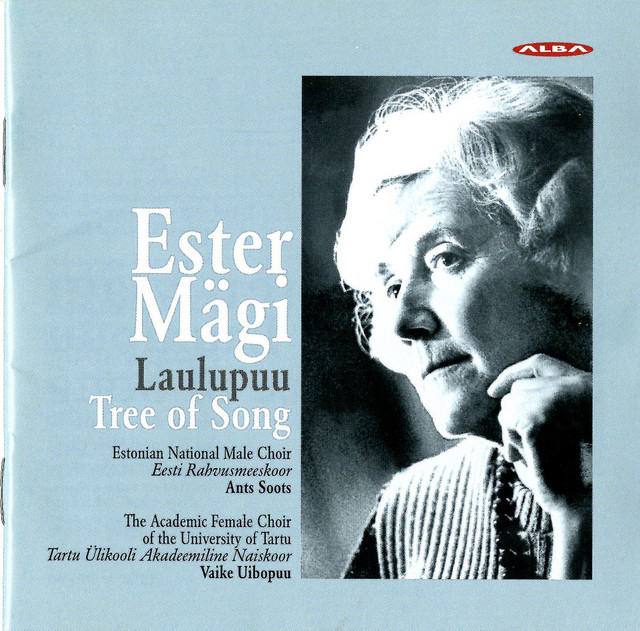

Sarah Leonard
Alexander Mason

Theodor Sink

Galina Grigorjeva

Ian Le Grice


Ida Moberg
Simon Rowland-Jones

Natasa Paulberg

Anne Boyd
Sigurður Sævarsson
Matthew Coleridge
Urmas Sisask


John Woolrich

Bernat Vivancos