Data may be outdated
Last updated: 9 months ago — Click refresh to get the latest statistics.
There were many sad things about the death of Kenny Graham in 1997, one of the minor tragedies being that it ended his reports, previously issued at a clip of one per decade, on what "the millionaire <a href="spotify:artist:3WrFJ7ztbogyGnTHbHJFl2">Beatles</a>" were up to. Graham's caustic, alternately amusing and reactionary short essays were just one facet of his creativity, expressed on a selection of woodwind instruments until health issues forced him to concentrate on composing and arranging. Graham was also a progressive jazz bandleader on the British jazz scene, introducing his own take on Afro-Cuban jazz as early as 1950 with <a href="spotify:artist:6JauC4DrCRymDVvdslzBOC">Kenny Graham's Afro-Cubists</a>. The latter outfit's stylistic experiments were eventually too much for the public at large, whose abandonment of jazz as a popular music was one of Graham's pet peeves. He came up on the dance band scene, working with popular bandleaders such as <a href="spotify:artist:0iKiwo4LTF4E2EsJwcNZyF">Ambrose</a>, but had no patience for the self-contained electric rock & roll combos who would lure the dancers away.
Graham's first instrument was banjo, supposedly putty in his hands at the tender age of five. From there he went to a combination of tenor saxophone, clarinet, and flute, while also doing some choir singing. As a player, his main period of activity was the '50s. After his hospitalization in 1958, he began working on charts for bandleaders such as <a href="spotify:artist:4v8G8fM1P0Nrn9nZZW0ziT">Ted Heath</a> and was also involved as music director for sessions by famed blues performers <a href="spotify:artist:6HwigzRpuWoCZDqMOQc5eu">Big Bill Broonzy</a> and <a href="spotify:artist:0nZxdWJcomHivMW1UwCKQb">Josh White</a>. The British <a href="spotify:search:label%3A%22MGM%22">MGM</a> label released an LP of Graham's own music entitled Moondog and Suncat Suites, sometimes mistaken for a Cat Stevens effort. Many of Graham's essays are available on a website under his name. ~ Eugene Chadbourne, Rovi
Graham's first instrument was banjo, supposedly putty in his hands at the tender age of five. From there he went to a combination of tenor saxophone, clarinet, and flute, while also doing some choir singing. As a player, his main period of activity was the '50s. After his hospitalization in 1958, he began working on charts for bandleaders such as <a href="spotify:artist:4v8G8fM1P0Nrn9nZZW0ziT">Ted Heath</a> and was also involved as music director for sessions by famed blues performers <a href="spotify:artist:6HwigzRpuWoCZDqMOQc5eu">Big Bill Broonzy</a> and <a href="spotify:artist:0nZxdWJcomHivMW1UwCKQb">Josh White</a>. The British <a href="spotify:search:label%3A%22MGM%22">MGM</a> label released an LP of Graham's own music entitled Moondog and Suncat Suites, sometimes mistaken for a Cat Stevens effort. Many of Graham's essays are available on a website under his name. ~ Eugene Chadbourne, Rovi
Monthly Listeners
5,427
Monthly Listeners History
Track the evolution of monthly listeners over the last 28 days.
Followers
788
Followers History
Track the evolution of followers over the last 28 days.
Top Cities
102 listeners

98 listeners
94 listeners
61 listeners
58 listeners

Related Artists
Ralph Dollimore


Bobby Christian
Don Banks

Frank Comstock

Olivier Aussudre

Johnny Douglas
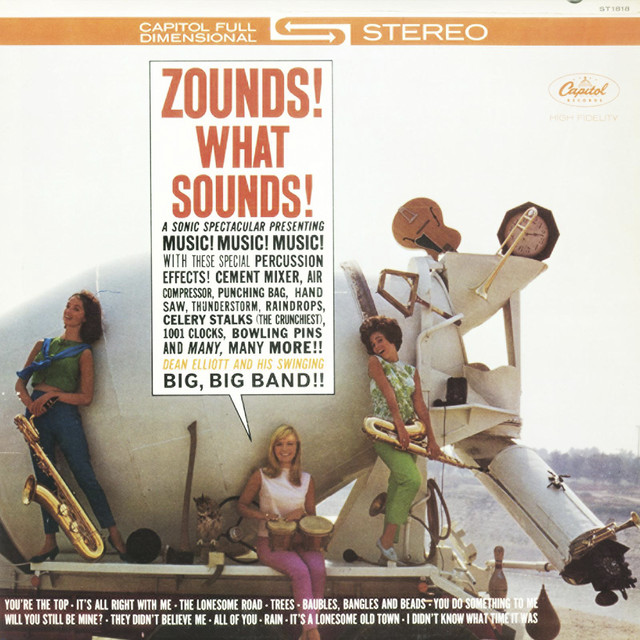
Dean Elliott And His Big Band


Albert Glasser
Alan Braden
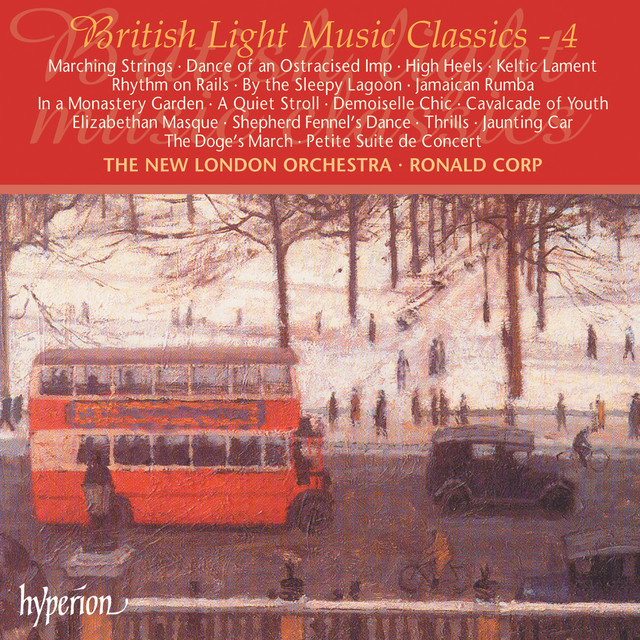
Jack Beaver
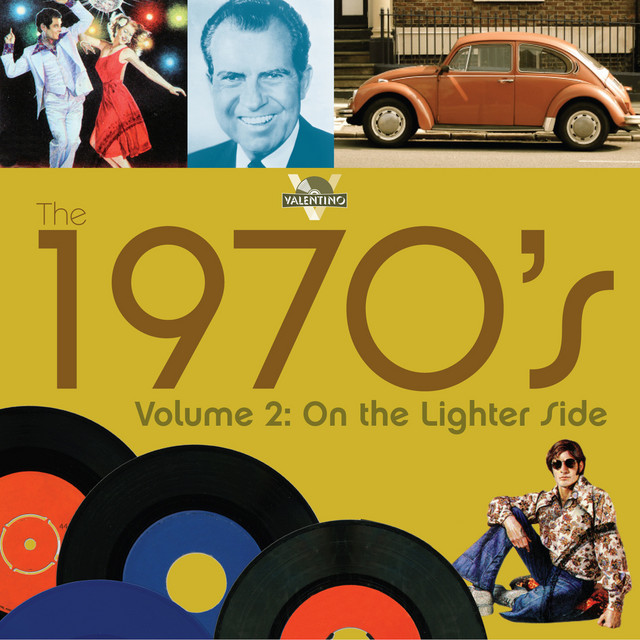

William Loose
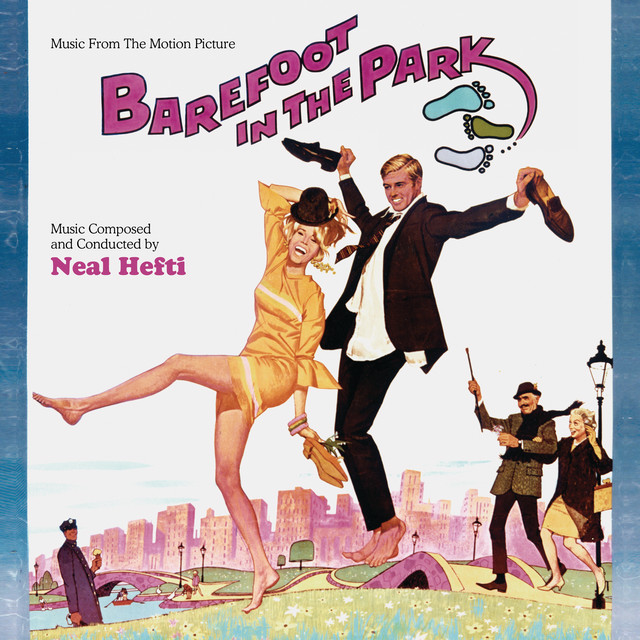

Ted Atking
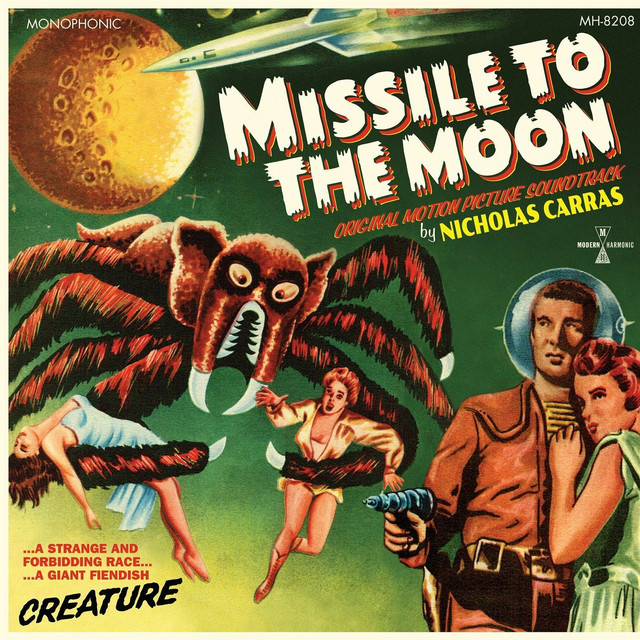
Nicholas Carras
Mel Young
Richard Marino & His Orchestra

Fredric Bayco

The Universal International Orchestra
King Palmer
Eric Winstone

Robert Cornford

Barbara Stanwyck