Data may be outdated
Last updated: 9 months ago — Click refresh to get the latest statistics.
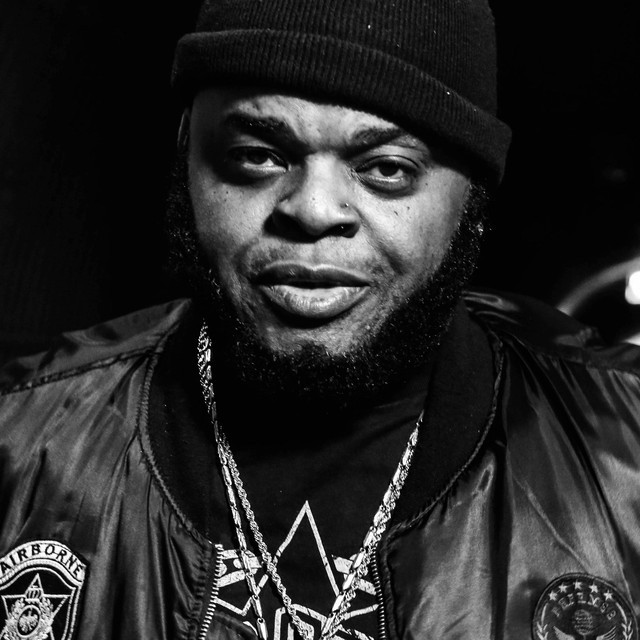
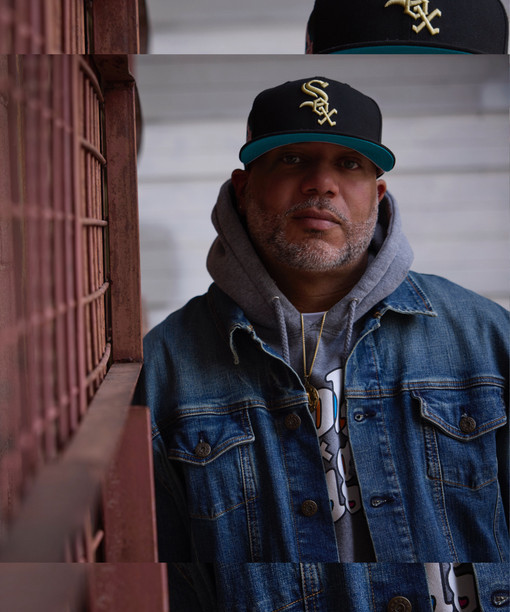
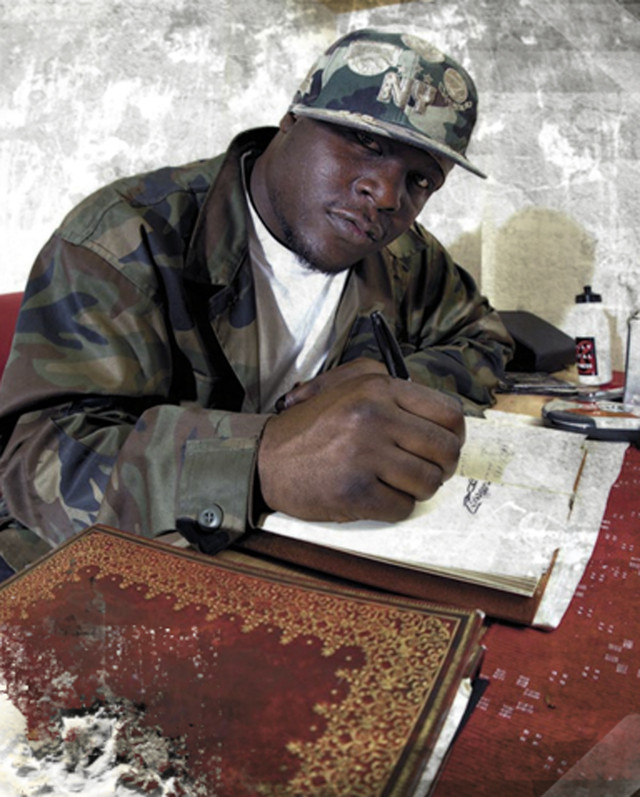
Brooklyn rapper Killah Priest has spent his lengthy, respected career making intensely spiritual music that connects Gnostic religious philosophy with the contemporary Black struggle. He made his first appearances on several <a href="spotify:artist:34EP7KEpOjXcM2TCat1ISk">Wu-Tang Clan</a> side and solo projects, including albums by <a href="spotify:artist:5NIhgQ08PBzMux08ndi8Ae">Gravediggaz</a>, <a href="spotify:artist:50NoVNy9GU1lCrDV8iGpyu">Ol' Dirty Bastard</a>, and <a href="spotify:artist:6ns6XAOsw4B0nDUIovAOUO">Genius/GZA</a>, leading to the signing of his group <a href="spotify:artist:5PtIZ9EIXAYnZKhBZZuRsA">Sunz of Man</a> and the release of his acclaimed debut album, 1998's Heavy Mental. After leaving the major-label system, he went independent with 2001's Priesthood, and became an integral member of supergroups the HRSMN (aka the Four Horsemen) and <a href="spotify:artist:3jcyrGTj2QAkZOjriBOr9a">Black Market Militia</a>. He's continued releasing ambitious, metaphor-heavy solo albums such as 2007's The Offering and 2013's The Psychic World of Walter Reed, and produced some of the most experimental, spiritually advanced work of his career with later works such as 2020's Rocket to Nebula.
Born in Brooklyn and raised in Bedford-Stuyvesant and Brownsville, Killah Priest (Walter Reed) became infatuated with hip-hop as a child, listening to old-school and new-school acts alike. He also was influenced by local figures <a href="spotify:artist:6ns6XAOsw4B0nDUIovAOUO">Genius</a> and <a href="spotify:artist:10Khz9BDdDT2mzm3330Cvu">Onyx</a>'s DJ Suave, who would often play local parties. Killah Priest began working on his rhyming and eventually earned a considerable reputation in his neighborhood, but instead of furthering his musical career, he took a sabbatical to educate himself, primarily about religion and history, which had a major impact on his songwriting.
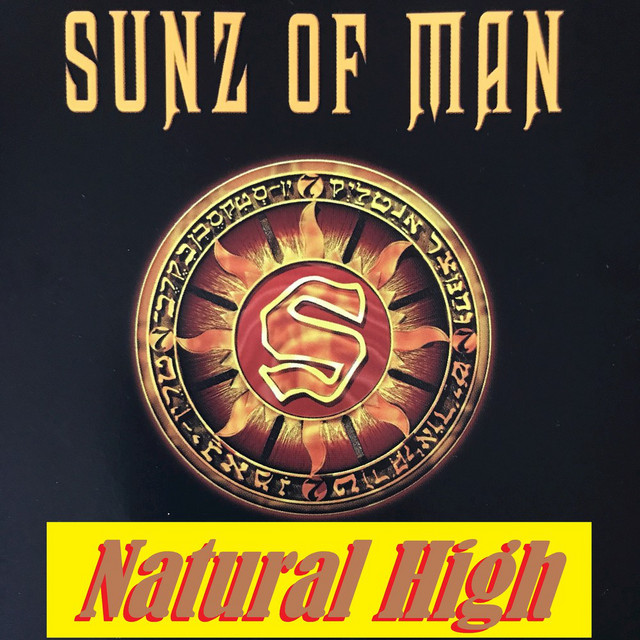
Priest made his return to rap in 1994, appearing on several <a href="spotify:artist:34EP7KEpOjXcM2TCat1ISk">Wu-Tang</a> projects including <a href="spotify:artist:5NIhgQ08PBzMux08ndi8Ae">Gravediggaz</a>' 6 Feet Deep, <a href="spotify:artist:50NoVNy9GU1lCrDV8iGpyu">Ol' Dirty Bastard</a>'s Return to the 36 Chambers, and <a href="spotify:artist:6ns6XAOsw4B0nDUIovAOUO">Genius/GZA</a>'s seminal Liquid Swords. All of his cameos were noteworthy, but his role on Liquid Swords -- especially "B.I.B.L.E. (Basic Instructions Before Leaving Earth)," essentially a Priest solo track -- earned special attention. By the end of 1996, his own group, <a href="spotify:artist:5PtIZ9EIXAYnZKhBZZuRsA">Sunz of Man</a>, was off the ground, having become the first act signed to <a href="spotify:search:label%3A%22Wu-Tang+Records%22">Wu-Tang Records</a>. In 1997, <a href="spotify:artist:7ntCfW87kUEtJCozLxuGGH">GZA</a> suggested to <a href="spotify:search:label%3A%22Geffen%22">Geffen</a> that they should sign Priest, and the label took his advice. Priest worked on his debut solo album with <a href="spotify:artist:41gTa5cSf7Zg5eErVb0aOS">True Master</a> and 4th Disciple, two producers who were also associated with <a href="spotify:artist:34EP7KEpOjXcM2TCat1ISk">Wu-Tang</a>. The resulting album, Heavy Mental, was dense with religious imagery and filled with evocative sounds. It received excellent reviews upon its March 1998 release and was a respectable commercial success, debuting at number 24 on the Billboard 200. Priest issued his second album, View from Masada, in May 2000, further bolstering his status as one of the most compelling solo artists in the extended <a href="spotify:artist:34EP7KEpOjXcM2TCat1ISk">Wu-Tang</a> family (even though, at the time, he was disconnected from the crew). Although View from Masada was well-received, it failed to do well commercially, and he was dropped from his label.
While many rappers let go from a major-label either vanish or take years to resurface, Priest wasted no time and established his own imprint. July 2001's Priesthood, involving no <a href="spotify:artist:34EP7KEpOjXcM2TCat1ISk">Wu-Tang</a> input whatsoever, was produced by Luminati and Nirocist, and released on the MC's <a href="spotify:search:label%3A%22Proverbs%22">Proverbs</a> imprint. July 2003's Black August, however, came out on <a href="spotify:search:label%3A%22Recon%22">Recon</a>. Although he certainly wasn't silent after this -- <a href="spotify:artist:3jcyrGTj2QAkZOjriBOr9a">Black Market Militia</a> (featuring <a href="spotify:artist:48AAcsCOmZzOSj3RW8Qtpc">Tragedy Khadafi</a> and <a href="spotify:artist:59h4urZSPlBLaT0YharjOM">Hell Razah</a>), the HRSMN (featuring <a href="spotify:artist:0OiS4KHxViIFnJooFTXl7V">Ras Kass</a>, <a href="spotify:artist:6NyJIFHAePjHR1pFxwisqz">Kurupt</a>, and <a href="spotify:artist:2lQvoGjN6jJfsAkaywtgrB">Canibus</a>), and <a href="spotify:artist:5PtIZ9EIXAYnZKhBZZuRsA">Sunz of Man</a> were ongoing concerns -- a few years passed before Priest's next solo album. March 2007's The Offering appeared on the <a href="spotify:search:label%3A%22Traffic%22">Traffic</a>-distributed <a href="spotify:search:label%3A%22Good+Hands+Records%22">Good Hands Records</a>. His release schedule picked up considerably -- Behind the Stained Glass, Black August Revisited, and Beautiful Minds, the latter a full-length collaboration with <a href="spotify:artist:2KrFLjILMBg3cf4TW8nTrr">Chief Kamachi</a>, were all released in 2008. The Exorcist, Elizabeth, and several mixtapes appeared in 2009. The 3 Day Theory, featuring guest appearances by several emcees including <a href="spotify:artist:0dS5xeDefwoUNasLUHnCjR">Cappadonna</a>, <a href="spotify:artist:1mMjwoytmHP5dTJbIQxN4V">Ill Bill</a>, and <a href="spotify:artist:4iUCypSQyIBdkJ6roB3Z9F">the Last Emperor</a>, was released by <a href="spotify:search:label%3A%22Man+Bites+Dog%22">Man Bites Dog</a> in 2010.
Following several delays, Killah Priest returned in 2013 with the ambitious double-CD The Psychic World of Walter Reed, a reunion of sorts with the <a href="spotify:artist:34EP7KEpOjXcM2TCat1ISk">Wu-Tang</a> family, featuring guest rhymes and production by <a href="spotify:artist:7ntCfW87kUEtJCozLxuGGH">GZA</a>, <a href="spotify:artist:4iCwCMnqsNZ6atvRiADgtn">RZA</a>, <a href="spotify:artist:4OBbOrkD4geIjOLrICN3wO">Inspectah Deck</a>, and <a href="spotify:artist:6FD0unjzGQhX3b6eMccMJe">Ghostface Killah</a>, as well as an appearance by <a href="spotify:artist:2GVBp7QyHckoOg7rYkLvrA">George Clinton</a>. The more sci-fi-themed Planet of the Gods appeared in 2015, and Priest formed the group Moon Crickets with Toronto-based rapper Lord Fury and DJ Mercilless. The Infinite Universe, with Vendetta Kingz, was released in 2016, and the mixtapes Don't Sit on the Speakers, Vol. 1 (with 4th Disciple) and The Untold Story of Walter Reed, Pt. 2 appeared in 2017. A 2020 mixtape with frequent collaborator Jordan River Banks, Journey to the Planet of the Gods preceded one of Priest's deepest, most abstract releases, Rocket to Nebula, an often-beatless record filled with reversed samples and ambient textures. A proper album with Banks, The Third Eye in Technicolor, closed out the year. The cinematic Lord Sun Heavy Mental 1.1 appeared in March of 2021. ~ Stephen Thomas Erlewine & Andy Kellman, Rovi
Born in Brooklyn and raised in Bedford-Stuyvesant and Brownsville, Killah Priest (Walter Reed) became infatuated with hip-hop as a child, listening to old-school and new-school acts alike. He also was influenced by local figures <a href="spotify:artist:6ns6XAOsw4B0nDUIovAOUO">Genius</a> and <a href="spotify:artist:10Khz9BDdDT2mzm3330Cvu">Onyx</a>'s DJ Suave, who would often play local parties. Killah Priest began working on his rhyming and eventually earned a considerable reputation in his neighborhood, but instead of furthering his musical career, he took a sabbatical to educate himself, primarily about religion and history, which had a major impact on his songwriting.
Priest made his return to rap in 1994, appearing on several <a href="spotify:artist:34EP7KEpOjXcM2TCat1ISk">Wu-Tang</a> projects including <a href="spotify:artist:5NIhgQ08PBzMux08ndi8Ae">Gravediggaz</a>' 6 Feet Deep, <a href="spotify:artist:50NoVNy9GU1lCrDV8iGpyu">Ol' Dirty Bastard</a>'s Return to the 36 Chambers, and <a href="spotify:artist:6ns6XAOsw4B0nDUIovAOUO">Genius/GZA</a>'s seminal Liquid Swords. All of his cameos were noteworthy, but his role on Liquid Swords -- especially "B.I.B.L.E. (Basic Instructions Before Leaving Earth)," essentially a Priest solo track -- earned special attention. By the end of 1996, his own group, <a href="spotify:artist:5PtIZ9EIXAYnZKhBZZuRsA">Sunz of Man</a>, was off the ground, having become the first act signed to <a href="spotify:search:label%3A%22Wu-Tang+Records%22">Wu-Tang Records</a>. In 1997, <a href="spotify:artist:7ntCfW87kUEtJCozLxuGGH">GZA</a> suggested to <a href="spotify:search:label%3A%22Geffen%22">Geffen</a> that they should sign Priest, and the label took his advice. Priest worked on his debut solo album with <a href="spotify:artist:41gTa5cSf7Zg5eErVb0aOS">True Master</a> and 4th Disciple, two producers who were also associated with <a href="spotify:artist:34EP7KEpOjXcM2TCat1ISk">Wu-Tang</a>. The resulting album, Heavy Mental, was dense with religious imagery and filled with evocative sounds. It received excellent reviews upon its March 1998 release and was a respectable commercial success, debuting at number 24 on the Billboard 200. Priest issued his second album, View from Masada, in May 2000, further bolstering his status as one of the most compelling solo artists in the extended <a href="spotify:artist:34EP7KEpOjXcM2TCat1ISk">Wu-Tang</a> family (even though, at the time, he was disconnected from the crew). Although View from Masada was well-received, it failed to do well commercially, and he was dropped from his label.
While many rappers let go from a major-label either vanish or take years to resurface, Priest wasted no time and established his own imprint. July 2001's Priesthood, involving no <a href="spotify:artist:34EP7KEpOjXcM2TCat1ISk">Wu-Tang</a> input whatsoever, was produced by Luminati and Nirocist, and released on the MC's <a href="spotify:search:label%3A%22Proverbs%22">Proverbs</a> imprint. July 2003's Black August, however, came out on <a href="spotify:search:label%3A%22Recon%22">Recon</a>. Although he certainly wasn't silent after this -- <a href="spotify:artist:3jcyrGTj2QAkZOjriBOr9a">Black Market Militia</a> (featuring <a href="spotify:artist:48AAcsCOmZzOSj3RW8Qtpc">Tragedy Khadafi</a> and <a href="spotify:artist:59h4urZSPlBLaT0YharjOM">Hell Razah</a>), the HRSMN (featuring <a href="spotify:artist:0OiS4KHxViIFnJooFTXl7V">Ras Kass</a>, <a href="spotify:artist:6NyJIFHAePjHR1pFxwisqz">Kurupt</a>, and <a href="spotify:artist:2lQvoGjN6jJfsAkaywtgrB">Canibus</a>), and <a href="spotify:artist:5PtIZ9EIXAYnZKhBZZuRsA">Sunz of Man</a> were ongoing concerns -- a few years passed before Priest's next solo album. March 2007's The Offering appeared on the <a href="spotify:search:label%3A%22Traffic%22">Traffic</a>-distributed <a href="spotify:search:label%3A%22Good+Hands+Records%22">Good Hands Records</a>. His release schedule picked up considerably -- Behind the Stained Glass, Black August Revisited, and Beautiful Minds, the latter a full-length collaboration with <a href="spotify:artist:2KrFLjILMBg3cf4TW8nTrr">Chief Kamachi</a>, were all released in 2008. The Exorcist, Elizabeth, and several mixtapes appeared in 2009. The 3 Day Theory, featuring guest appearances by several emcees including <a href="spotify:artist:0dS5xeDefwoUNasLUHnCjR">Cappadonna</a>, <a href="spotify:artist:1mMjwoytmHP5dTJbIQxN4V">Ill Bill</a>, and <a href="spotify:artist:4iUCypSQyIBdkJ6roB3Z9F">the Last Emperor</a>, was released by <a href="spotify:search:label%3A%22Man+Bites+Dog%22">Man Bites Dog</a> in 2010.
Following several delays, Killah Priest returned in 2013 with the ambitious double-CD The Psychic World of Walter Reed, a reunion of sorts with the <a href="spotify:artist:34EP7KEpOjXcM2TCat1ISk">Wu-Tang</a> family, featuring guest rhymes and production by <a href="spotify:artist:7ntCfW87kUEtJCozLxuGGH">GZA</a>, <a href="spotify:artist:4iCwCMnqsNZ6atvRiADgtn">RZA</a>, <a href="spotify:artist:4OBbOrkD4geIjOLrICN3wO">Inspectah Deck</a>, and <a href="spotify:artist:6FD0unjzGQhX3b6eMccMJe">Ghostface Killah</a>, as well as an appearance by <a href="spotify:artist:2GVBp7QyHckoOg7rYkLvrA">George Clinton</a>. The more sci-fi-themed Planet of the Gods appeared in 2015, and Priest formed the group Moon Crickets with Toronto-based rapper Lord Fury and DJ Mercilless. The Infinite Universe, with Vendetta Kingz, was released in 2016, and the mixtapes Don't Sit on the Speakers, Vol. 1 (with 4th Disciple) and The Untold Story of Walter Reed, Pt. 2 appeared in 2017. A 2020 mixtape with frequent collaborator Jordan River Banks, Journey to the Planet of the Gods preceded one of Priest's deepest, most abstract releases, Rocket to Nebula, an often-beatless record filled with reversed samples and ambient textures. A proper album with Banks, The Third Eye in Technicolor, closed out the year. The cinematic Lord Sun Heavy Mental 1.1 appeared in March of 2021. ~ Stephen Thomas Erlewine & Andy Kellman, Rovi
Monthly Listeners
69,434
Monthly Listeners History
Track the evolution of monthly listeners over the last 28 days.
Followers
101,419
Followers History
Track the evolution of followers over the last 28 days.
Top Cities
1,250 listeners

918 listeners

857 listeners

775 listeners
682 listeners