Artist
Klaus Huber
Data may be outdated
Last updated: 9 months ago — Click refresh to get the latest statistics.
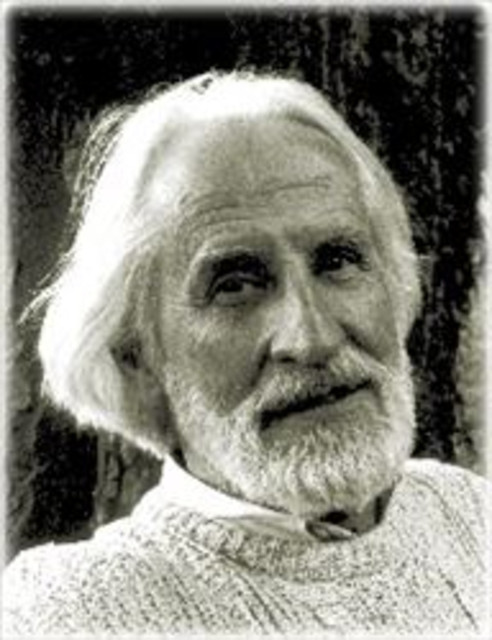
Composer Klaus Huber was born in Bern, Switzerland, in 1924. His music training began with private lessons in violin. In 1947 he entered the Zurich Conservatory where he began composition studies alongside his instrumental, continuing on this dual course of learning until 1955-1956, when his own music was first publicly performed. His breakthrough onto the international scene came in 1959 with "Des Engels Anredung an die Seele," a then-unorthodox work that used consonant intervals within a strictly serial context, rejecting the dogmatisms of the Darmstadt school; it won him first prize at the International Gaudeamus music week in Bilthoven, Netherlands. Since that initial triumph, Huber's reputation has continued to grow, as well as his list of works, prizes, scholarships, appointments, and accomplishments. He shows the inquisitiveness of a true artist, of one genuinely interested in the possibilities and actualities of his medium. He has conceived each new work not as a potential addition to a catalog of pieces in recognizable style, but as an opportunity to approach a specific set of clearly conceived formal, philosophical, and expressive problems. A review of his oeuvre, as the man enters the second half of his eighth decade, reveals a richly complex musical language of broad stylistic vicissitudes. Although mystically introspective at its core, his music never retreats from the world into self-indulgent privacy, but is always oriented outwards to encourage public, social reflection. Evident influences are serialism, Franco-Flemish polyphony of the fifteenth century, High Renaissance liturgical polyphony, <a href="spotify:artist:5aIqB5nVVvmFsvSdExz408">Bach</a>, <a href="spotify:artist:4NJhFmfw43RLBLjQvxDuRS">Mozart</a>, acoustic sciences, and music of other cultures, particularly Islamic, of which he's often achieved impressive syntheses. In 1990 he retired from his position at the Staatliche Hochschule für Musik in Freiburg, which he'd held since 1973. Today he continues to compose, teach privately, and accept composer-in-residencies and guest-professorships. Huber's gifts as a teacher seem to match his prodigious gifts as a musician. Throughout his career he's paralleled his work as a composer with countless passionately argued essays and lectures, at the core of which is a utopian sense of purpose: the possibility of positively transforming the world through art. A number of his students have gone on to international recognition, including <a href="spotify:artist:1Ypd2wLcUoQ7v5iH7yrWDm">Brian Ferneyhough</a>, <a href="spotify:artist:1LqZaxmZNvkNyC5FaICGkW">Wolfgang Rihm</a>, and <a href="spotify:artist:7CVjE65ZnFdMQL7RzK7Nnt">Toshio Hosokawa</a>. All accede Huber's masterful craftsmanship, and the inspiring integrity of his artistic vision.


Related Artists

Barbara Maurer

Bernard Cavanna
Arnulf Herrmann
Die Reihe

Evan Hughes
Emmanuel Nunes
Conchord

Graciela Paraskevaidis
Avet Rubeni Terterian
Tomoko Hemmi
Édith Canat de Chizy
Lucia Ronchetti

Isabel Mundry
Philippe Schoeller

Tom Nybye

Onuté Narbutaite
Marko Nikodijevic
Elfi Aichinger


Roland Moser
Wilfrid Mellers

Bengt Hambræus

Ramon Lazkano
Johannes Schöllhorn
Ondřej Adámek
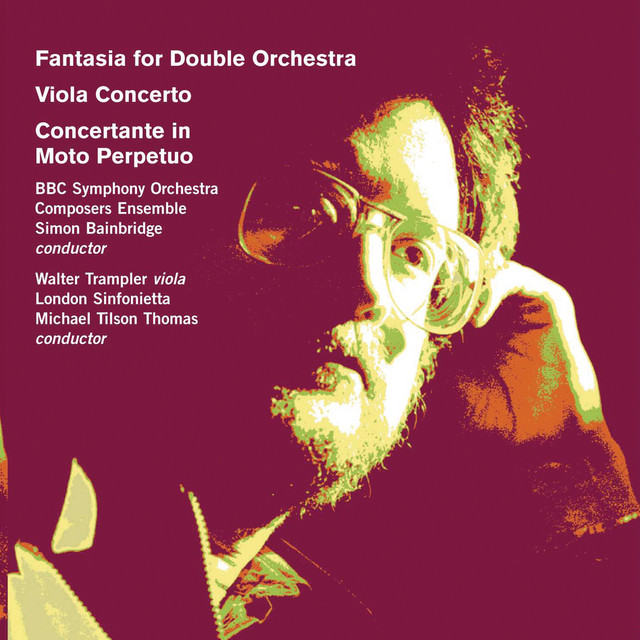
Simon Bainbridge

Petra Hoffmann

Mathias Spahlinger
Jonathan Holmes
Yanna Pelser
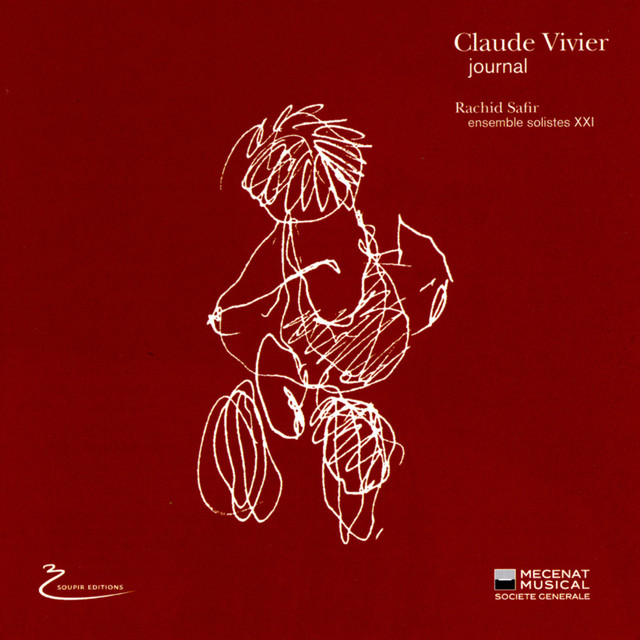
Rachid Safir
Saed Haddad
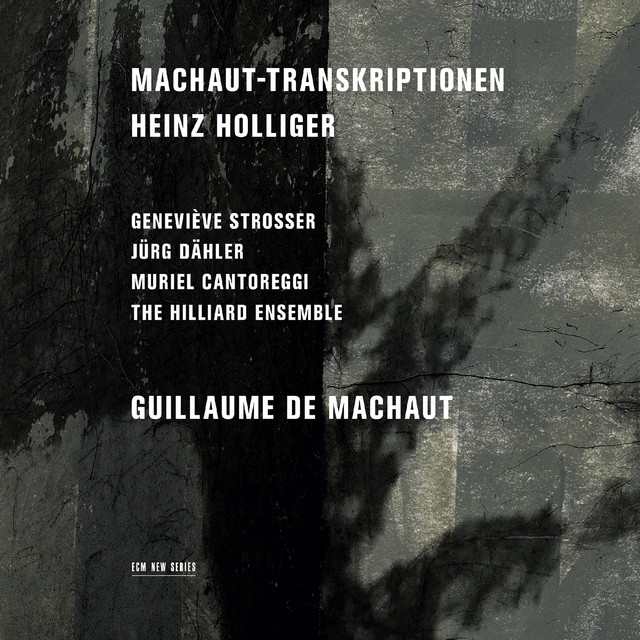
Geneviève Strosser
Shulamit Ran
Tebogo Monnakgotla
