Data may be outdated
Last updated: 7 months ago — Click refresh to get the latest statistics.
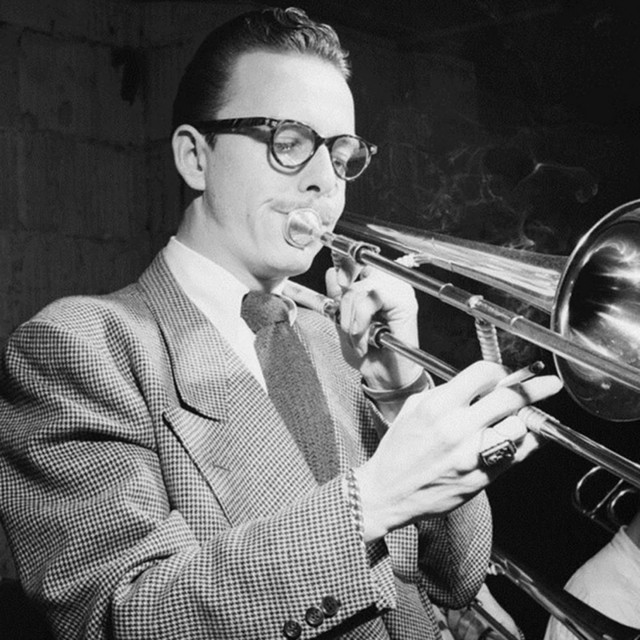
One of the great swing trombonists, Lawrence Brown tends to be underrated because he spent so much of his career with <a href="spotify:artist:3W4GTSHxlqXfXjdmSNIbTB">Duke Ellington's Orchestra</a>. Actually, Brown's initial solos with <a href="spotify:artist:4F7Q5NV6h5TSwCainz8S5A">Ellington</a> upset some of <a href="spotify:artist:4F7Q5NV6h5TSwCainz8S5A">Duke</a>'s fans because it was feared that his virtuosity did not fit into a band where primitive effects and mutes were liberally utilized. But over time, Brown carved out his own place in the <a href="spotify:artist:4F7Q5NV6h5TSwCainz8S5A">Ellington</a> legacy.
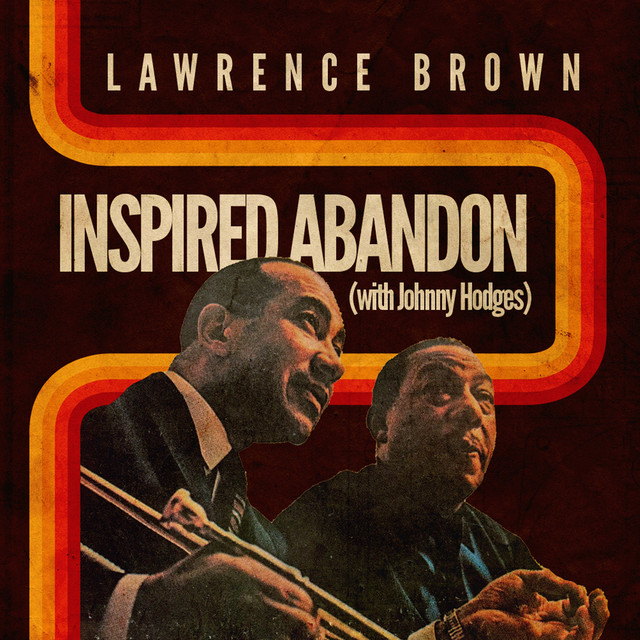
Lawrence Brown learned piano, violin, and tuba before deciding to stick to the trombone. He recorded with Paul Howard's Quality Serenaders (1929-1930) and <a href="spotify:artist:19eLuQmk9aCobbVDHc6eek">Louis Armstrong</a> (with Les Hite's Orchestra in 1930) in Los Angeles before joining <a href="spotify:artist:4F7Q5NV6h5TSwCainz8S5A">Ellington</a> in 1932, staying until 1951 when he left to join <a href="spotify:artist:7lRFrrINQTY35g8hq0kXY5">Johnny Hodges</a>' new small group. After 1955, Brown became a studio musician in New York, but then spent 1960-1970 back with <a href="spotify:artist:4F7Q5NV6h5TSwCainz8S5A">Ellington</a> (where he reluctantly had to play some solos with a plunger mute) before retiring. Although he only led two albums of his own (a 1955-1956 outing for Clef and 1965's Inspired Abandon for Impulse), Brown was well-featured on many recordings with <a href="spotify:artist:4F7Q5NV6h5TSwCainz8S5A">Ellington</a> through the years; "The Sheik of Araby" (1932) and "Rose of the Rio Grande" (1938) were favorites. ~ Scott Yanow, Rovi
Lawrence Brown learned piano, violin, and tuba before deciding to stick to the trombone. He recorded with Paul Howard's Quality Serenaders (1929-1930) and <a href="spotify:artist:19eLuQmk9aCobbVDHc6eek">Louis Armstrong</a> (with Les Hite's Orchestra in 1930) in Los Angeles before joining <a href="spotify:artist:4F7Q5NV6h5TSwCainz8S5A">Ellington</a> in 1932, staying until 1951 when he left to join <a href="spotify:artist:7lRFrrINQTY35g8hq0kXY5">Johnny Hodges</a>' new small group. After 1955, Brown became a studio musician in New York, but then spent 1960-1970 back with <a href="spotify:artist:4F7Q5NV6h5TSwCainz8S5A">Ellington</a> (where he reluctantly had to play some solos with a plunger mute) before retiring. Although he only led two albums of his own (a 1955-1956 outing for Clef and 1965's Inspired Abandon for Impulse), Brown was well-featured on many recordings with <a href="spotify:artist:4F7Q5NV6h5TSwCainz8S5A">Ellington</a> through the years; "The Sheik of Araby" (1932) and "Rose of the Rio Grande" (1938) were favorites. ~ Scott Yanow, Rovi
Monthly Listeners
19,102
Monthly Listeners History
Track the evolution of monthly listeners over the last 28 days.
Followers
1,144
Followers History
Track the evolution of followers over the last 28 days.
Top Cities



Related Artists
Marc Hemmeler
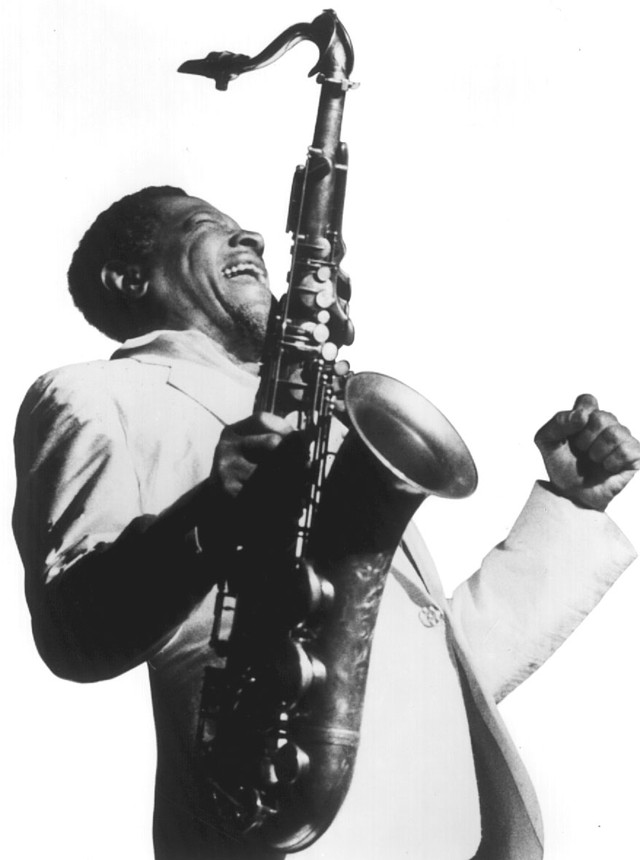
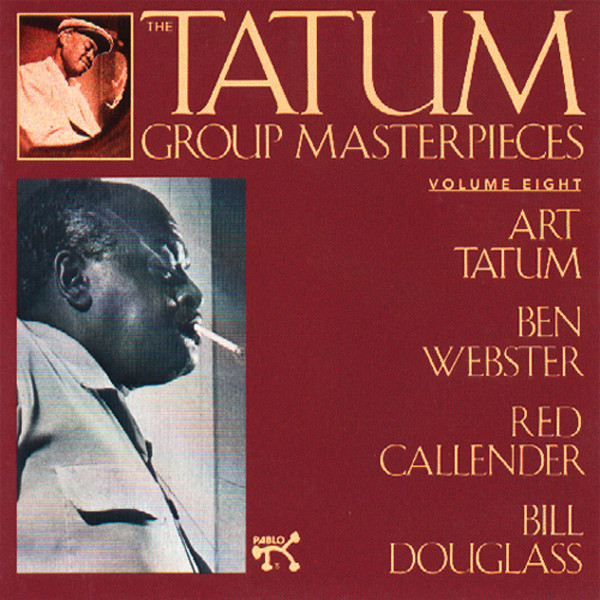
Red Callender

Bill Douglass
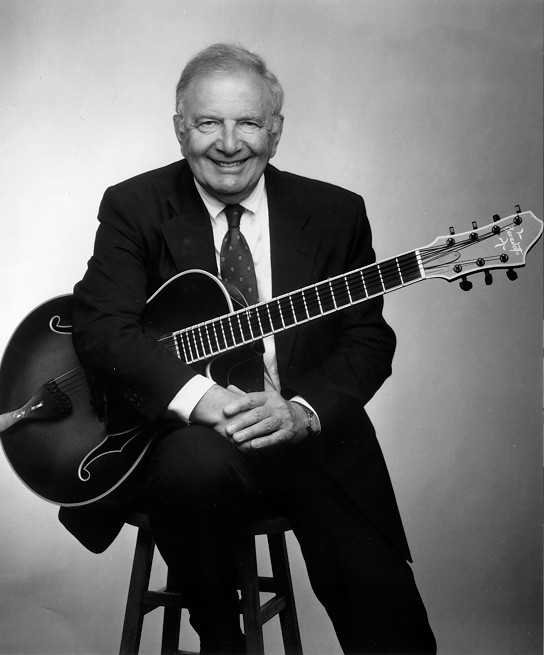
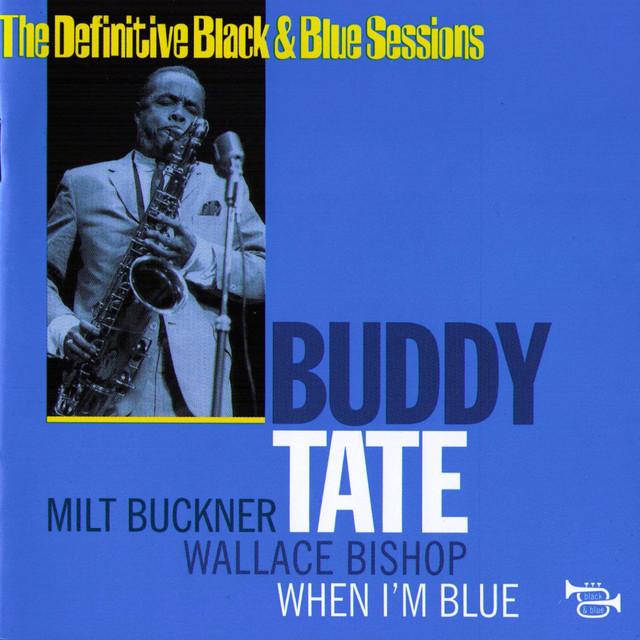

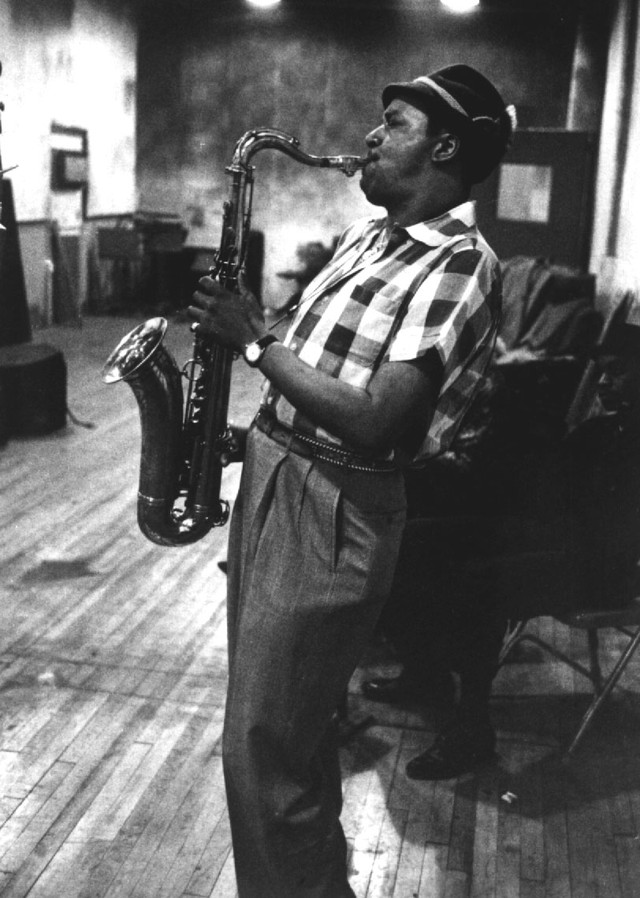


The Gene Harris Quartet

Rossano Sportiello