Data may be outdated
Last updated: 9 months ago — Click refresh to get the latest statistics.
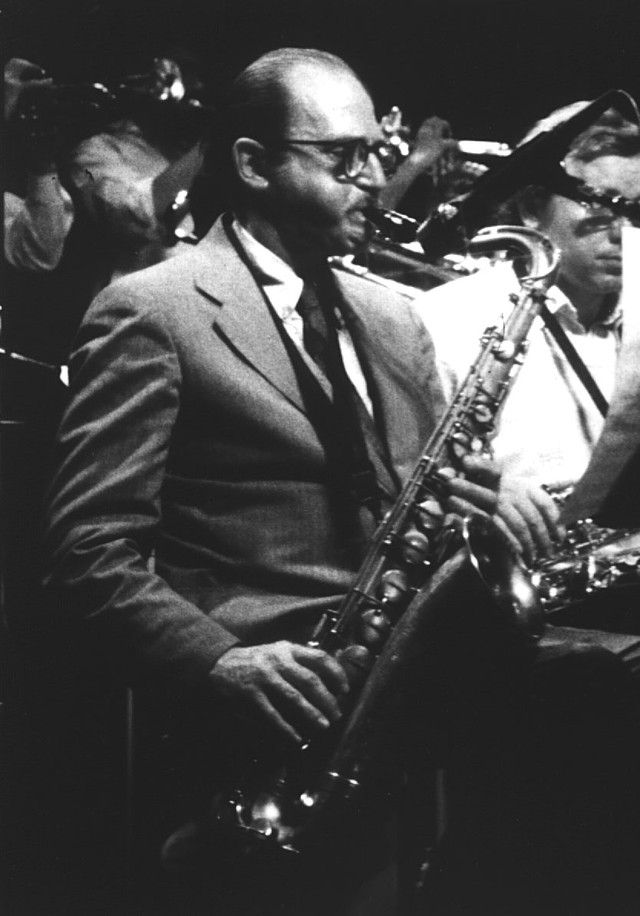
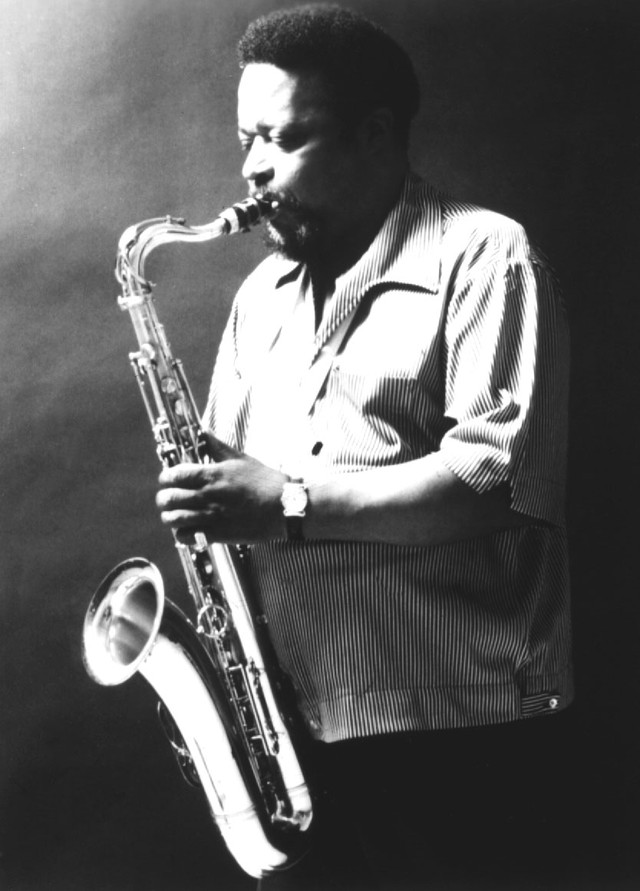
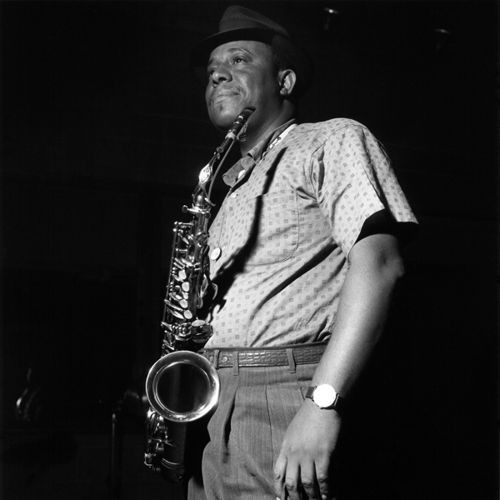
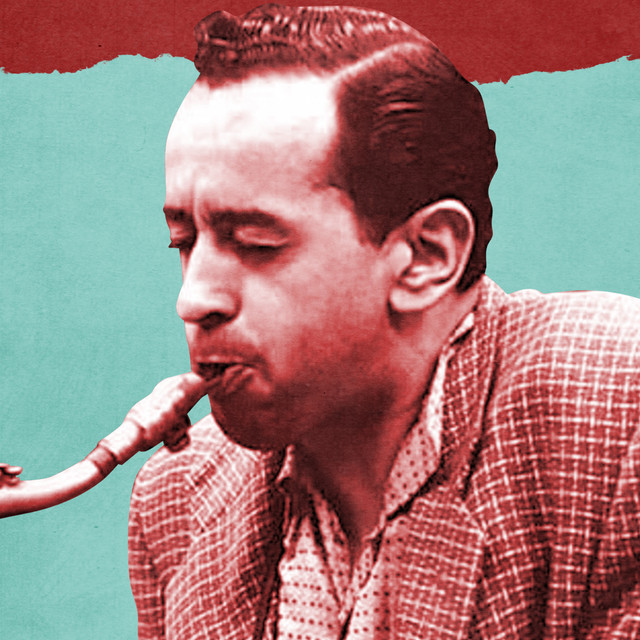
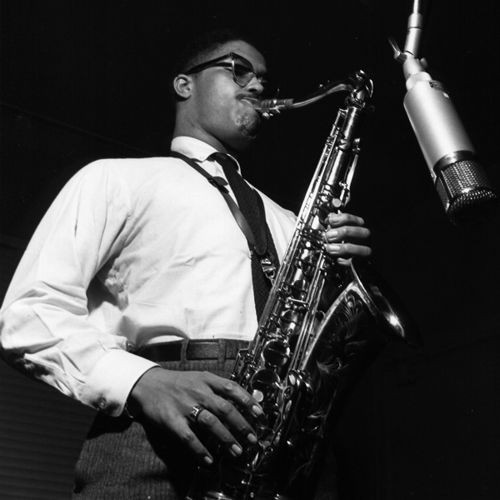
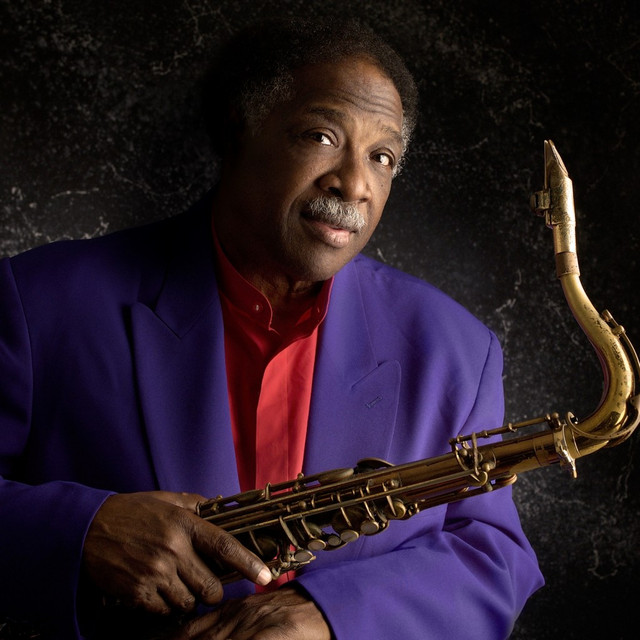
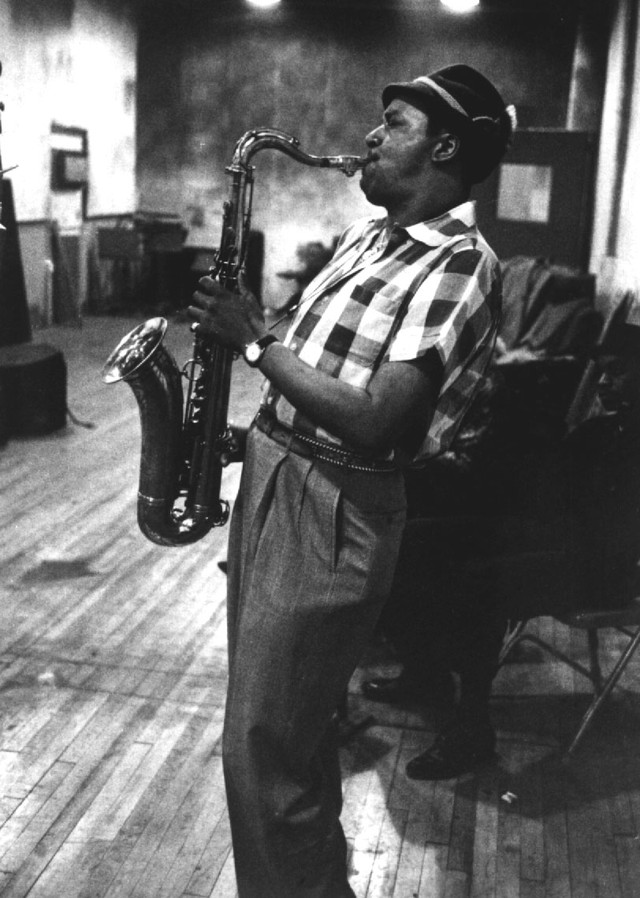
A fine all-round tenor player, Jimmy Forrest is best-known for recording "Night Train," a song that he "borrowed" from the last part of <a href="spotify:artist:4F7Q5NV6h5TSwCainz8S5A">Duke Ellington</a>'s "Happy Go Lucky Local." While in high school in St. Louis, Forrest worked with pianist <a href="spotify:artist:1bSR3PXy4df8fK6mfDRPIa">Eddie Johnson</a>, the legendary Fate Marable, and the Jeter-Pillars Orchestra. In 1938, he went on the road with Don Albert and then was with <a href="spotify:artist:1qZnWtvzKVV0lJQZBapchU">Jay McShann's Orchestra</a> (1940-1942). In New York, Forrest played with <a href="spotify:artist:6lDzuLTyt5ewY3FLfX1smg">Andy Kirk</a> (1942-1948) and <a href="spotify:artist:4F7Q5NV6h5TSwCainz8S5A">Duke Ellington</a> (1949) before returning to St. Louis. After recording "Night Train," Forrest became a popular attraction and recorded a series of jazz-oriented R&B singles. Among his most important later associations were with <a href="spotify:artist:4rZoL92ShDgN9SLLg4OPPN">Harry "Sweets" Edison</a> (1958-1963), <a href="spotify:artist:2jFZlvIea42ZvcCw4OeEdA">Count Basie's Orchestra</a> (1972-1977), and <a href="spotify:artist:3hfKeuAGgYNHM7VdGEUhuv">Al Grey</a>, with whom he co-led a quintet until his death. Forrest recorded for United (reissued by Delmark), Prestige/New Jazz (1960-1962), and Palo Alto (1978). ~ Scott Yanow, Rovi
Monthly Listeners
58,126
Monthly Listeners History
Track the evolution of monthly listeners over the last 28 days.
Followers
5,248
Followers History
Track the evolution of followers over the last 28 days.
Top Cities
784 listeners

608 listeners

586 listeners

494 listeners

475 listeners