Data may be outdated
Last updated: 8 months ago — Click refresh to get the latest statistics.
Her husky, sensual voice and exquisitely cool readings of pop standards distinguished her singing, but Lee Wiley went on to earn notice as one of the best early jazz singers by recognizing the distinct qualities of American popular song and organizing a set of tunes around a common composer or theme -- later popularized as the songbook or concept LP. She was also a songwriter in her own right, albeit one more respected in the jazz community than the popular one. While her career spanned several decades, her most prolific recording period was in the 1950s. She appeared on record just once between the end of the decade and her death in 1975.
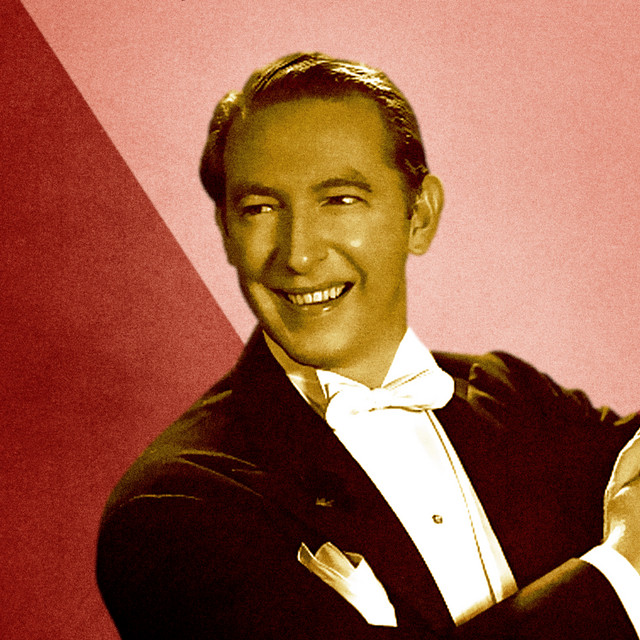
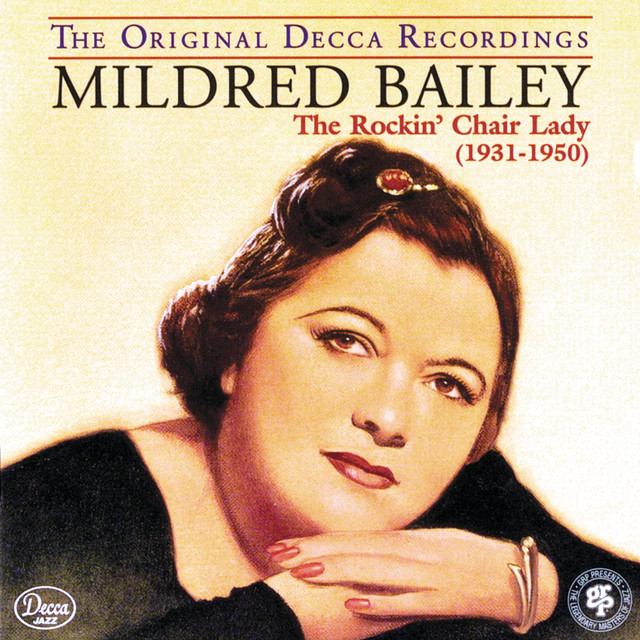
Wiley was born in 1908 in Ft. Gibson, Oklahoma. Early press reports claimed lineage from a Cherokee princess, as well as a birthdate five years later than the true one. Whatever her background, she began singing at an early age, influenced by <a href="spotify:artist:0LyTHMstvqKiSoqdnnjqix">Mildred Bailey</a> and <a href="spotify:artist:3INcDDCxVKMIQT6rfR7kud">Ethel Waters</a>' records. She left Oklahoma for New York City as a teenager, and made a few demos in the late '20s before hiring on with <a href="spotify:artist:7JkUvI3r5QGpNLsgNc2Z20">Leo Reisman</a>. Her first hit, "Time on My Hands," came in 1931 with <a href="spotify:artist:7JkUvI3r5QGpNLsgNc2Z20">Reisman</a> and earned her solo billing on a few radio programs. Wiley also began recording her own sides for Kapp, backed by <a href="spotify:artist:2RLpFsSPsiB1LKXcDVac4Q">the Casa Loma Orchestra</a>, <a href="spotify:artist:5gjTHwdSke7uwJH3yDMDjl">the Dorsey Brothers</a>, and <a href="spotify:artist:0mzeuEu2tXNjhVNc1sKVWI">Johnny Green</a>.
Her popular fortunes fell however, after the threat of tuberculosis kept her from singing for more than a year. In the late '30s, Wiley began recording sides for the Liberty music shop. The results were a series of unique sessions, each organized around the work of one composer (first the Gershwins, then <a href="spotify:artist:6rrwIOOzyvn76SDbkxjIjS">Cole Porter</a>, <a href="spotify:artist:0nQUbpmd7XAM7ep5Z6H4ww">Rodgers & Hart</a>, and <a href="spotify:artist:7MOUyX1yT017l1Zt0mExIA">Harold Arlen</a>) and released on the standard catalog album -- four 10" records played at 78 rpm -- for a grand total of eight songs by each composer. These "songbook" recordings also utilized the cream of the era's hot jazz musicians, including <a href="spotify:artist:1YaB5mqH5zlJqvJaKIsBrS">Eddie Condon</a>, <a href="spotify:artist:5mzFDFweHwx7BZFmMtdll7">Bunny Berigan</a>, <a href="spotify:artist:61EY7PIU7wT3t3766ZTvqB">Pee Wee Russell</a>, <a href="spotify:artist:22vG2wpYZKQvNG7dIajDdK">Joe Bushkin</a>, <a href="spotify:artist:0DYWCXTkNqGFZIf67SrWEa">Fats Waller</a>, and <a href="spotify:artist:2TX5jYdTztkXprOcGUMkFo">Jess Stacy</a>; the latter became her husband for several years during the '40s. Wiley also performed often with <a href="spotify:artist:2TX5jYdTztkXprOcGUMkFo">Stacy</a>'s big band and with smaller groups led by <a href="spotify:artist:1YaB5mqH5zlJqvJaKIsBrS">Condon</a> during the '40s. She signed to <a href="spotify:search:label%3A%22Columbia%22">Columbia</a> in 1950 and recorded several additional albums, including the excellent Night in Manhattan.
After recording a single album for <a href="spotify:search:label%3A%22Storyville%22">Storyville</a>, Wiley had moved again by the mid-'50s, to <a href="spotify:search:label%3A%22RCA+Victor%22">RCA Victor</a>. Her two albums for the label, 1956's West of the Moon and the following year's A Touch of the Blues, provided capstones to her career, the first with the delicate arrangements of <a href="spotify:artist:3kt1xo56PyGb13t2OCf08h">Ralph Burns</a> proving the perfect accompaniment to her voice. Unfortunately, they were practically the last recordings of her career. After 14 years off-record, Wiley returned with one final session, 1971's Back Home Again. She died four years later in New York. ~ John Bush, Rovi
Wiley was born in 1908 in Ft. Gibson, Oklahoma. Early press reports claimed lineage from a Cherokee princess, as well as a birthdate five years later than the true one. Whatever her background, she began singing at an early age, influenced by <a href="spotify:artist:0LyTHMstvqKiSoqdnnjqix">Mildred Bailey</a> and <a href="spotify:artist:3INcDDCxVKMIQT6rfR7kud">Ethel Waters</a>' records. She left Oklahoma for New York City as a teenager, and made a few demos in the late '20s before hiring on with <a href="spotify:artist:7JkUvI3r5QGpNLsgNc2Z20">Leo Reisman</a>. Her first hit, "Time on My Hands," came in 1931 with <a href="spotify:artist:7JkUvI3r5QGpNLsgNc2Z20">Reisman</a> and earned her solo billing on a few radio programs. Wiley also began recording her own sides for Kapp, backed by <a href="spotify:artist:2RLpFsSPsiB1LKXcDVac4Q">the Casa Loma Orchestra</a>, <a href="spotify:artist:5gjTHwdSke7uwJH3yDMDjl">the Dorsey Brothers</a>, and <a href="spotify:artist:0mzeuEu2tXNjhVNc1sKVWI">Johnny Green</a>.
Her popular fortunes fell however, after the threat of tuberculosis kept her from singing for more than a year. In the late '30s, Wiley began recording sides for the Liberty music shop. The results were a series of unique sessions, each organized around the work of one composer (first the Gershwins, then <a href="spotify:artist:6rrwIOOzyvn76SDbkxjIjS">Cole Porter</a>, <a href="spotify:artist:0nQUbpmd7XAM7ep5Z6H4ww">Rodgers & Hart</a>, and <a href="spotify:artist:7MOUyX1yT017l1Zt0mExIA">Harold Arlen</a>) and released on the standard catalog album -- four 10" records played at 78 rpm -- for a grand total of eight songs by each composer. These "songbook" recordings also utilized the cream of the era's hot jazz musicians, including <a href="spotify:artist:1YaB5mqH5zlJqvJaKIsBrS">Eddie Condon</a>, <a href="spotify:artist:5mzFDFweHwx7BZFmMtdll7">Bunny Berigan</a>, <a href="spotify:artist:61EY7PIU7wT3t3766ZTvqB">Pee Wee Russell</a>, <a href="spotify:artist:22vG2wpYZKQvNG7dIajDdK">Joe Bushkin</a>, <a href="spotify:artist:0DYWCXTkNqGFZIf67SrWEa">Fats Waller</a>, and <a href="spotify:artist:2TX5jYdTztkXprOcGUMkFo">Jess Stacy</a>; the latter became her husband for several years during the '40s. Wiley also performed often with <a href="spotify:artist:2TX5jYdTztkXprOcGUMkFo">Stacy</a>'s big band and with smaller groups led by <a href="spotify:artist:1YaB5mqH5zlJqvJaKIsBrS">Condon</a> during the '40s. She signed to <a href="spotify:search:label%3A%22Columbia%22">Columbia</a> in 1950 and recorded several additional albums, including the excellent Night in Manhattan.
After recording a single album for <a href="spotify:search:label%3A%22Storyville%22">Storyville</a>, Wiley had moved again by the mid-'50s, to <a href="spotify:search:label%3A%22RCA+Victor%22">RCA Victor</a>. Her two albums for the label, 1956's West of the Moon and the following year's A Touch of the Blues, provided capstones to her career, the first with the delicate arrangements of <a href="spotify:artist:3kt1xo56PyGb13t2OCf08h">Ralph Burns</a> proving the perfect accompaniment to her voice. Unfortunately, they were practically the last recordings of her career. After 14 years off-record, Wiley returned with one final session, 1971's Back Home Again. She died four years later in New York. ~ John Bush, Rovi
Monthly Listeners
93,702
Monthly Listeners History
Track the evolution of monthly listeners over the last 28 days.
Followers
11,271
Followers History
Track the evolution of followers over the last 28 days.
Top Cities
1,085 listeners

813 listeners

777 listeners

735 listeners

730 listeners
Related Artists





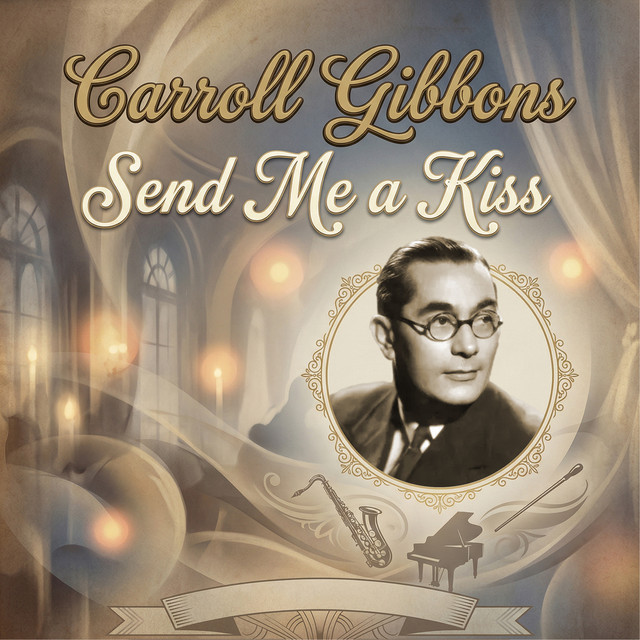
Carroll Gibbons