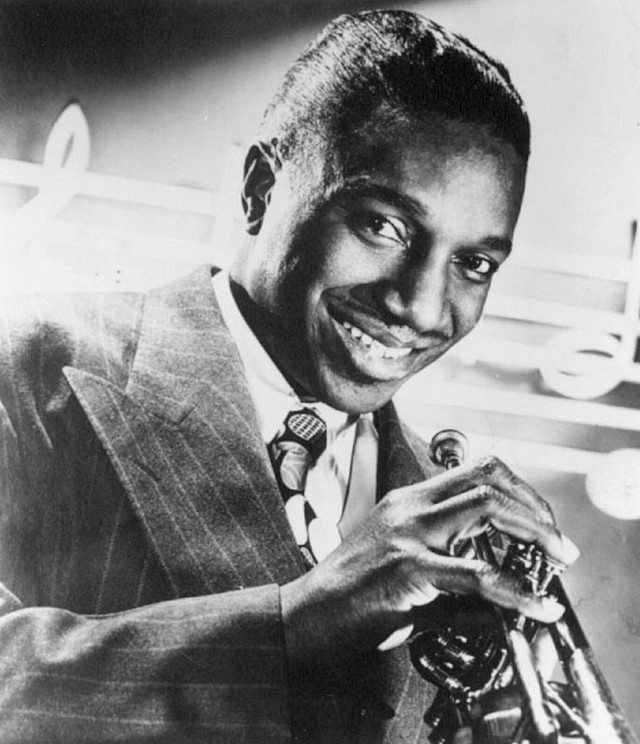
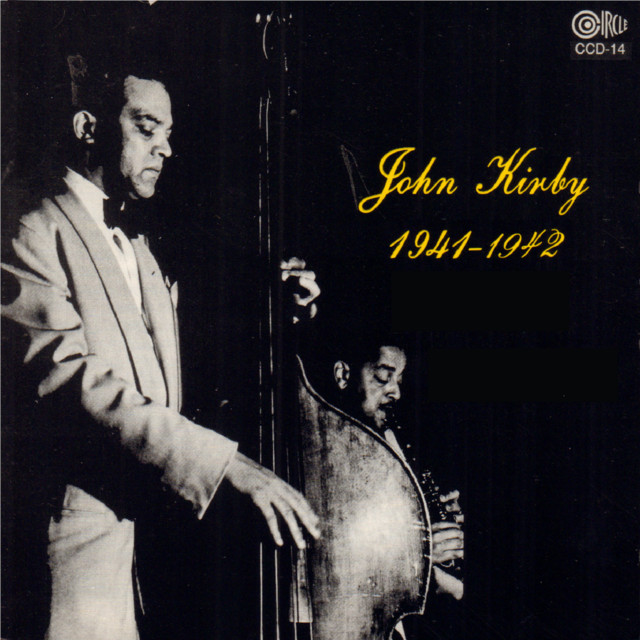
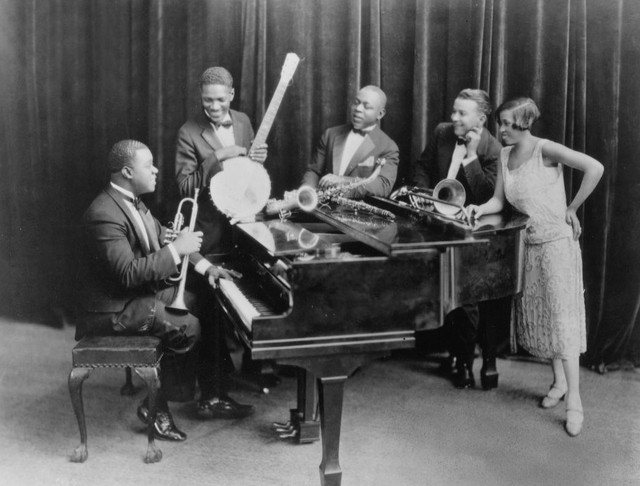
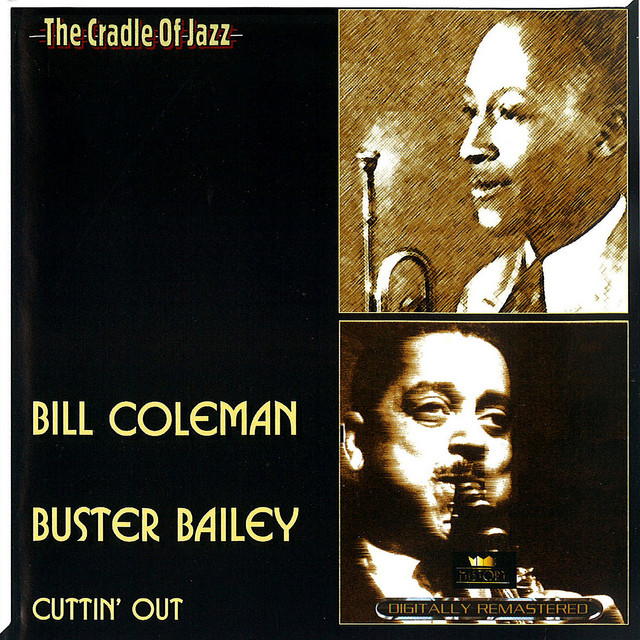
Buster Bailey was a brilliant clarinetist who, although known for his smooth and quiet playing with <a href="spotify:artist:35MId59wx5Xyn6zlxGOfJy">John Kirby</a>'s sextet, occasionally really cut loose with some wild solos (including on a recording called "Man With a Horn Goes Berserk"). Expertly trained by the classical teacher Franz Schoepp (who also taught <a href="spotify:artist:1pBuKaLHJlIlqYxQQaflve">Benny Goodman</a>), Bailey worked with <a href="spotify:artist:7mDbAZV24eEmw5VJpKlCi9">W.C. Handy</a>'s band in 1917. He moved to Chicago in 1919 and was soon working with Erskine Tate and <a href="spotify:artist:08Zk65toyJllap1MnzljxZ">King Oliver's Creole Jazz Band</a>. He gained some fame in 1924 when he joined <a href="spotify:artist:2ovJLSejirvJybNers2YG6">Fletcher Henderson</a>'s orchestra in New York. Bailey was with <a href="spotify:artist:2ovJLSejirvJybNers2YG6">Henderson</a> off and on during 1924-1934 and 1936-1937, also playing with <a href="spotify:artist:7H1OQzVy0Oklm5Wr025qhm">Noble Sissle</a> and <a href="spotify:artist:140K78ooLk7HfhlWiTc9dM">the Mills Blue Rhythm Band</a> (1934-1935). Next up was the cool-toned swing of <a href="spotify:artist:35MId59wx5Xyn6zlxGOfJy">John Kirby</a>'s sextet (1937-1946), a role he fit perfectly. With the end of the <a href="spotify:artist:35MId59wx5Xyn6zlxGOfJy">Kirby</a> band, Bailey was mostly employed in Dixieland settings with <a href="spotify:artist:2jHYUm5r73OV8CiKyMdYfo">Wilbur DeParis</a> (1947-1949), Big Chief Russell Moore (1952-1953), <a href="spotify:artist:1kEniOVLhKw78gS0myngEf">Henry "Red" Allen</a> (1950-1951 and 1954-1960), <a href="spotify:artist:2tRiAkVNXGVU9cgTcMtFDx">Wild Bill Davison</a> (1961-63), and the Saints and Sinners (1963-1965), finishing up with the Louis Armstrong All-Stars (1965-1967). One of the most technically skilled of the clarinetists to emerge during the 1920s, Buster Bailey never modernized his style or became a leader, but he contributed his talents and occasional wit to a countless number of rewarding and important recordings. ~ Scott Yanow, Rovi