Data may be outdated
Last updated: 9 months ago — Click refresh to get the latest statistics.
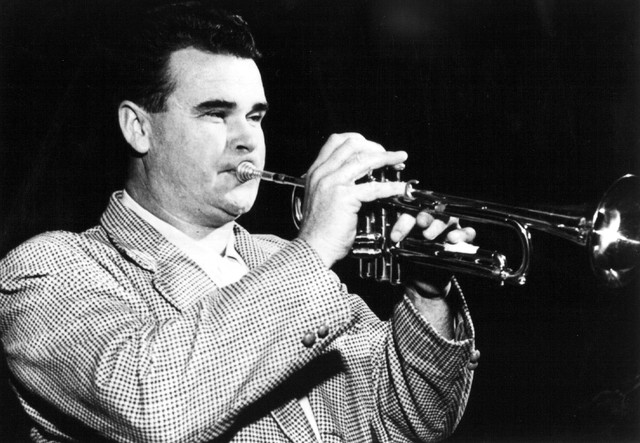
He was a young jazz trumpeter in love with a style of music that reached its creative peak while he was still in diapers. <a href="spotify:artist:375zxMmh2cSgUzFFnva0O7">Wynton Marsalis</a>? No...Lu Watters, one of the leading New Orleans revivalists of the 1940s. Watters was a die-hard fan of <a href="spotify:artist:08Zk65toyJllap1MnzljxZ">King Oliver's Original Creole Jazz Band</a> (which included a young <a href="spotify:artist:19eLuQmk9aCobbVDHc6eek">Louis Armstrong</a>); his Yerba Buena Jazz Band featured the two-trumpet lineup made famous by <a href="spotify:artist:24PJRbYtu3Cq5CuF24c1QZ">Oliver</a>. Watters and the other white revivalists believed in the primacy of early jazz -- specifically, the music made in New Orleans by black musicians during the '10s and '20s -- eschewing subsequent stylistic developments like swing and bop. The Yerba Buena Jazz Band was founded in 1939 and Watters drew its members from a large swing group he led in Oakland, CA. His intent was to resuscitate the <a href="spotify:artist:24PJRbYtu3Cq5CuF24c1QZ">Oliver</a> style, which he did with a great deal of success. Although Dixieland revivalists were a dime a dozen in the '40s, the Yerba Buena Jazz Band stood apart by virtue of its authenticity and helped spread the revival worldwide. The band began playing the Dawn Club in San Francisco in 1939 and the gig continued until Watters was drafted in 1942. The band regrouped after the war and returned to the Dawn Club, where they attained great popularity. In 1947, they moved to Hambone Kelly's in El Cerrito, where they remained until Watters broke up the band in 1950. On its most influential recordings, made in the mid-'40s, the group included Watters on first trumpet, <a href="spotify:artist:2O6C9HWikgZipdpXfU5fmC">Bob Scobey</a> on second trumpet, Harry Mordecai on banjo, <a href="spotify:artist:7zkDGc5WjEGOdXBdWfLcGO">Bob Helm</a> on clarinet, <a href="spotify:artist:4h2o94HOvvR0FMjxpfvsDM">Turk Murphy</a> on trombone, Bill Dart on drums, <a href="spotify:artist:29ja2bTYI7u1VtxBTFkhyB">Wally Rose</a> on piano, and <a href="spotify:artist:4dOGuMB1FruJQcIMUhu0nw">Dick Lammi</a> on tuba. <a href="spotify:artist:2O6C9HWikgZipdpXfU5fmC">Scobey</a> and <a href="spotify:artist:4h2o94HOvvR0FMjxpfvsDM">Murphy</a> went on to lead their own popular Dixieland outfits. Besides playing tunes from the trad repertoire, Watters also supplied new arrangements and compositions. Watters retired from playing music full-time in 1957; he studied geology and later became a chef. He began playing again in 1963, performing with <a href="spotify:artist:4h2o94HOvvR0FMjxpfvsDM">Turk Murphy</a>'s band at anti-nuclear rallies in Northern California. He made one last record before retiring. ~ Chris Kelsey, Rovi
Monthly Listeners
920
Monthly Listeners History
Track the evolution of monthly listeners over the last 28 days.
Followers
559
Followers History
Track the evolution of followers over the last 28 days.
Top Cities



Related Artists

Bob Helm

Graeme Bell

Barry Martyn's Band
Alvin Alcorn
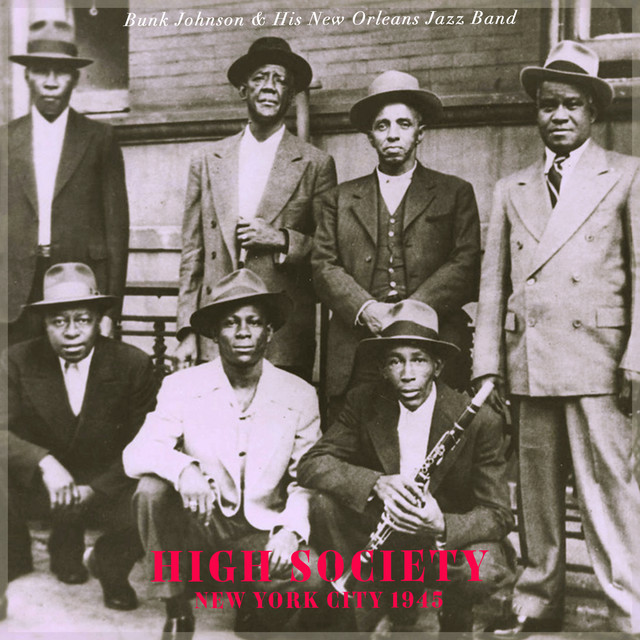
Bunk Johnson And His New Orleans Band
The Fat Babies

Chris Blount

Original Salty Dogs
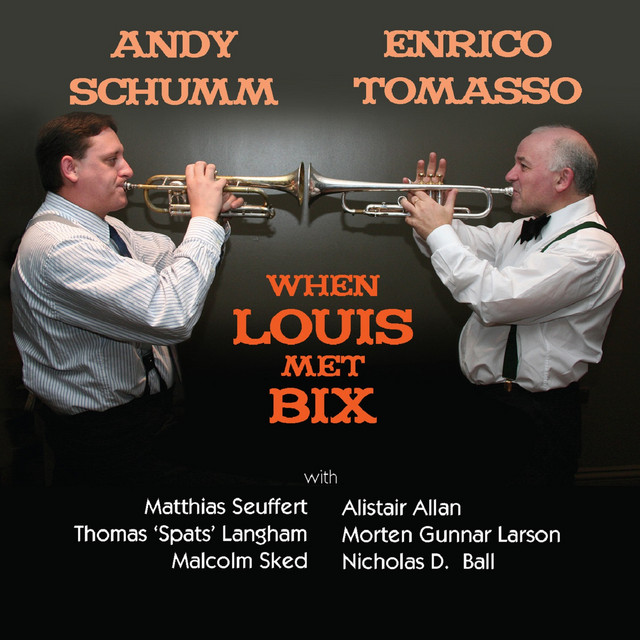
Andy Schumm

Rod Mason

Anachronic Jazz Band
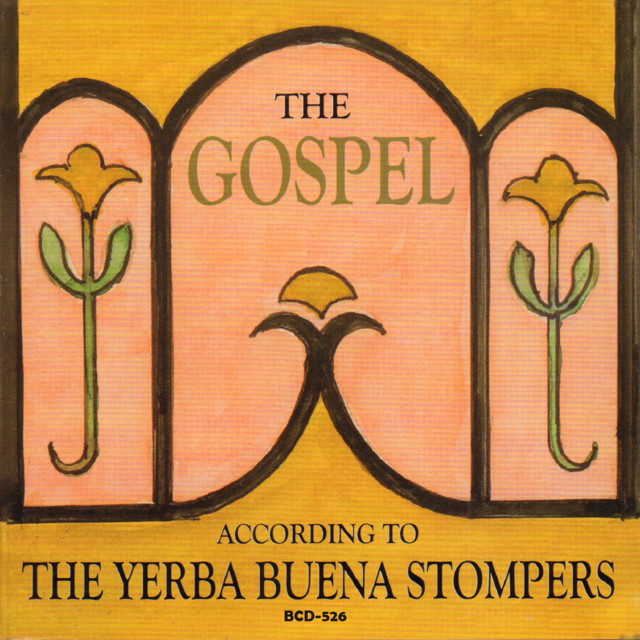
Yerba Buena Stompers
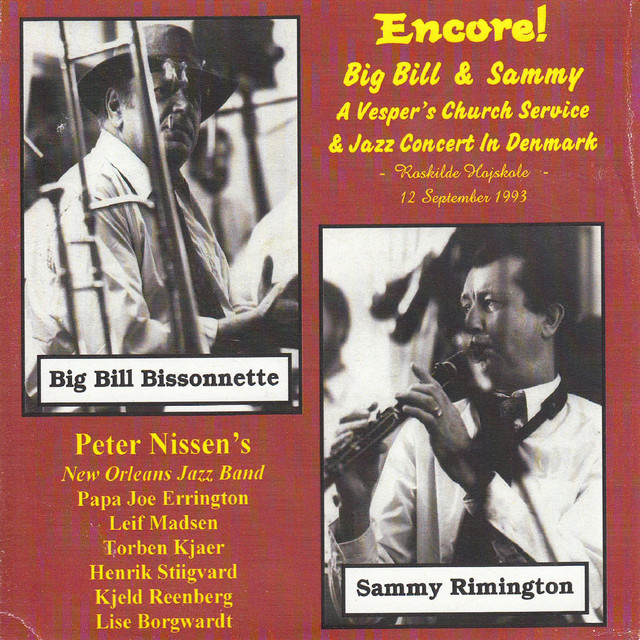
Big Bill Bissonnette

Alcide "Slow Drag" Pavageau

Peruna Jazzmen

Emanuel Sayles

Punch Miller