Data may be outdated
Last updated: 9 months ago — Click refresh to get the latest statistics.
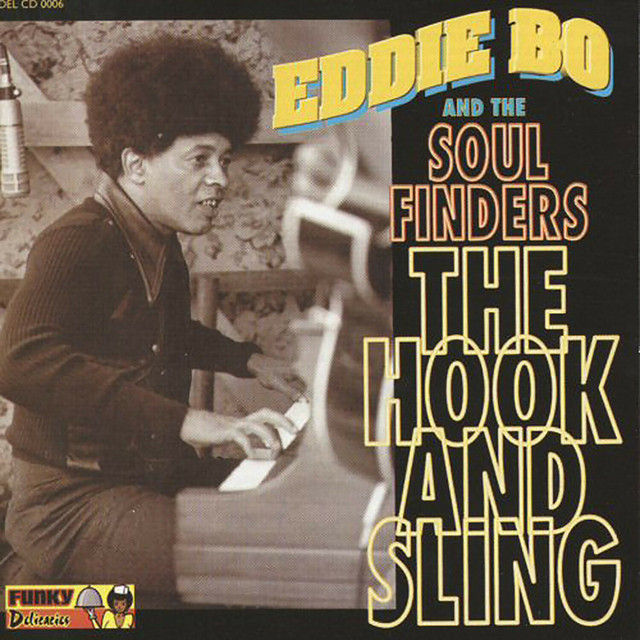
New Orleans funk diva Mary Jane Hooper remains one of the most shadowy figures in Crescent City soul history. Famed for her collaboration with legendary producer <a href="spotify:artist:6yJkbSRofSN6kk4BWaqlax">Eddie Bo</a>, many believe her name is an alias employed by singer Inez Cheatham, although <a href="spotify:artist:6yJkbSRofSN6kk4BWaqlax">Bo</a> himself disputes such assertions. Hooper is, in fact, the stage name of one Sena Fletcher, who began her career singing gospel before crossing over to secular R&B backing <a href="spotify:artist:0En4EEcDMJ5kaUCf1aZ9js">Lee Dorsey</a>. Upon signing to <a href="spotify:artist:6yJkbSRofSN6kk4BWaqlax">Bo</a>'s Scram label in 1966, Hooper issued her debut single, "Don't Change Nothin'." She eventually moved to <a href="spotify:artist:6yJkbSRofSN6kk4BWaqlax">Bo</a>'s Power label, where in 1968 she cut her best-known single, "That's How Strong Love Is," later licensed for national release by <a href="spotify:search:label%3A%22World+Pacific%22">World Pacific</a>. "I've Got Reasons" followed later that year on <a href="spotify:artist:6yJkbSRofSN6kk4BWaqlax">Bo</a>'s renamed Power Pac imprint, but after the release of the two-part "I've Got What You Need" (justly famed for drummer <a href="spotify:artist:2lffXaYGum1bb21hUmUU3z">James Black</a>'s monster groove), Hooper effectively disappeared. Her vocal similarities to Cheatham (another <a href="spotify:artist:6yJkbSRofSN6kk4BWaqlax">Eddie Bo</a> protégée) prompted many funk collectors to assume the two singers were one and the same, further muddying the waters of her history and recorded output. ~ Jason Ankeny, Rovi
Monthly Listeners
9,708
Monthly Listeners History
Track the evolution of monthly listeners over the last 28 days.
Followers
3,480
Followers History
Track the evolution of followers over the last 28 days.
Top Cities
740 listeners

227 listeners

187 listeners
145 listeners
100 listeners