Genre
new orleans funk
Top New orleans funk Artists
Showing 10 of 10 artists



About New orleans funk
New Orleans funk is a horn-driven, groove-forward branch of funk that wears Mardi Gras beads and brass. It grew where parading streets meet club stages, pulling from the city’s second-line rhythms, swaggering James Brown-inspired funk, and the bold, streetwise brass tradition that defines New Orleans R&B. By the late 1960s, a pocket-heavy, improvisational approach had formed in the city, a sound that could lock a room with a single horn line and a bass line that refused to quit.
At its heart sits The Meters, a quartet of Art Neville, George Porter Jr., Leo Nocentelli, and Ziggy Modeliste. Their lean, hypnotic grooves—simple on the surface, daring in their accompaniment—became the blueprint for New Orleans funk. They toured relentlessly and backed countless local artists, proving that this music could be a live, rolling conversation as much as a recorded groove. The Meters’ influence is felt in every horn riff that snaps, every tight rhythm section, and the way the beat can tip from pocket to swagger with no warning.
But New Orleans funk wasn’t a one-band story. Dr. John fused psychedelic swagger with swampy, R&B-inflected funk; Professor Longhair helped seed a piano-driven funkier sensibility that would ripple through the city for decades. The late-1970s/1980s brass-band scene—epitomized by the Dirty Dozen Brass Band—brought jazz chops into the mix, turning the genre into a festival-friendly, high-energy engine. The Neville Brothers—Art, Charles, Cyril, and Aaron—added gospel and soul heft that gave funk a spiritual dimension, turning the music into a communal experience.
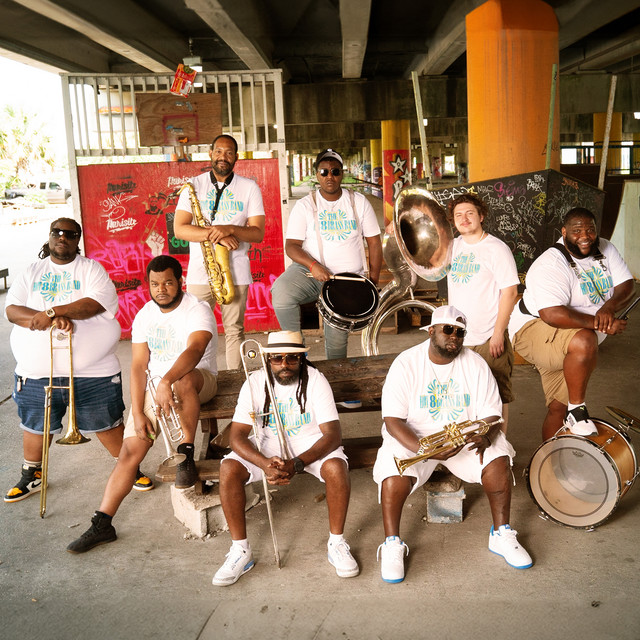
In the modern era, a fresh wave carried the tradition beyond New Orleans’ borders. Galactic, formed in the 1990s, fused tight funk with improvisational jazz and a cosmopolitan rock edge, making New Orleans funk a staple of the global jam-band circuit. Dumpstaphunk, fronted by Ivan and Ian Neville, kept the city’s lineage burning with stadium-ready hooks and blistering live shows. Other ambassadors—Big Sam’s Funky Nation, Ivan Neville’s broader project work, and a new generation of brass and rhythm outfits—continue to bring the New Orleans sound to clubs, theaters, and festivals around the world.
Geographically, New Orleans funk remains most robust in its home base—Louisiana and the broader Gulf Coast—where the culture, parades, and street grooves fertilize the sound. Internationally, it travels well: Europe—especially France, the UK, and Germany—embraces the brass-and-groove sensibility; Japan’s club and festival scenes host regular high-energy runs; and Brazil, Canada, and parts of Africa and the Caribbean have welcomed its infectious, danceable pulse.
If you listen closely, New Orleans funk is a living bridge: the city’s carnival culture, gospel roots, and brass-band discipline welded to funk’s rhythmic courage and improvisational spirit. It remains as much a social experience as a genre, inviting dancers to follow the bass, horns, and drumset into a shared groove that feels like a street parade and a backstage jam all at once.
At its heart sits The Meters, a quartet of Art Neville, George Porter Jr., Leo Nocentelli, and Ziggy Modeliste. Their lean, hypnotic grooves—simple on the surface, daring in their accompaniment—became the blueprint for New Orleans funk. They toured relentlessly and backed countless local artists, proving that this music could be a live, rolling conversation as much as a recorded groove. The Meters’ influence is felt in every horn riff that snaps, every tight rhythm section, and the way the beat can tip from pocket to swagger with no warning.
But New Orleans funk wasn’t a one-band story. Dr. John fused psychedelic swagger with swampy, R&B-inflected funk; Professor Longhair helped seed a piano-driven funkier sensibility that would ripple through the city for decades. The late-1970s/1980s brass-band scene—epitomized by the Dirty Dozen Brass Band—brought jazz chops into the mix, turning the genre into a festival-friendly, high-energy engine. The Neville Brothers—Art, Charles, Cyril, and Aaron—added gospel and soul heft that gave funk a spiritual dimension, turning the music into a communal experience.
In the modern era, a fresh wave carried the tradition beyond New Orleans’ borders. Galactic, formed in the 1990s, fused tight funk with improvisational jazz and a cosmopolitan rock edge, making New Orleans funk a staple of the global jam-band circuit. Dumpstaphunk, fronted by Ivan and Ian Neville, kept the city’s lineage burning with stadium-ready hooks and blistering live shows. Other ambassadors—Big Sam’s Funky Nation, Ivan Neville’s broader project work, and a new generation of brass and rhythm outfits—continue to bring the New Orleans sound to clubs, theaters, and festivals around the world.
Geographically, New Orleans funk remains most robust in its home base—Louisiana and the broader Gulf Coast—where the culture, parades, and street grooves fertilize the sound. Internationally, it travels well: Europe—especially France, the UK, and Germany—embraces the brass-and-groove sensibility; Japan’s club and festival scenes host regular high-energy runs; and Brazil, Canada, and parts of Africa and the Caribbean have welcomed its infectious, danceable pulse.
If you listen closely, New Orleans funk is a living bridge: the city’s carnival culture, gospel roots, and brass-band discipline welded to funk’s rhythmic courage and improvisational spirit. It remains as much a social experience as a genre, inviting dancers to follow the bass, horns, and drumset into a shared groove that feels like a street parade and a backstage jam all at once.