Data may be outdated
Last updated: 9 months ago — Click refresh to get the latest statistics.
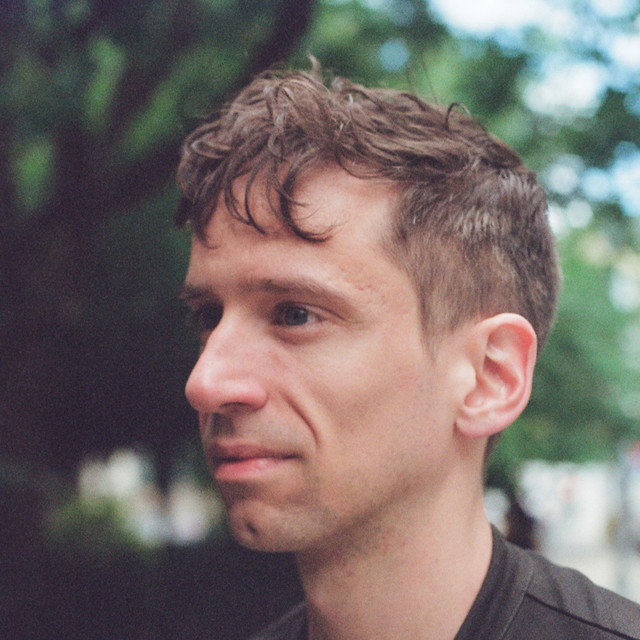
Matthew Stenroos creates music best described as “mystical math pop”. He has quietly released 3 solo albums and an EP, with the 4th full-length slated for a 2025 release, and he releases ambient music as Sixty Ton Angel. He is a 2017 New Amsterdam Records Composers Lab alum (as Matthew Anderson) and has collaborated with a range of artists including Chloe Rowlands (Fleet Foxes, The Westerlies), Charls Ava (M.I.A.), and Finnegan Shanahan (Contemporaneous), amongst others.
Originally from Akron, Ohio, Stenroos was raised in an intensely religious environment complete with a home-schooled education. Sacred choral music, classical piano repertoire, and an unbridled creative urge formed the core of his musical language. Grunge crashed into his life in middle school, and by college he was seeking out rare B-side collections from modern prog losers such as Porcupine Tree and Oceansize. Somewhere in between he discovered the final two Talk Talk records, Steve Reich, Alice Coltrane and Brian Eno. After college he moved to New York City, leaving his religious roots and becoming a heathen.
In the post-genre world of our moment, Stenroos’s vernacular embodies an earnestly outsider voice; almost an insular alternate history. Yet his work is indelibly laced with a sense of the universal and the sacred; an almost childlike longing for oneness in an increasingly bifurcated world.
Originally from Akron, Ohio, Stenroos was raised in an intensely religious environment complete with a home-schooled education. Sacred choral music, classical piano repertoire, and an unbridled creative urge formed the core of his musical language. Grunge crashed into his life in middle school, and by college he was seeking out rare B-side collections from modern prog losers such as Porcupine Tree and Oceansize. Somewhere in between he discovered the final two Talk Talk records, Steve Reich, Alice Coltrane and Brian Eno. After college he moved to New York City, leaving his religious roots and becoming a heathen.
In the post-genre world of our moment, Stenroos’s vernacular embodies an earnestly outsider voice; almost an insular alternate history. Yet his work is indelibly laced with a sense of the universal and the sacred; an almost childlike longing for oneness in an increasingly bifurcated world.
Related Artists


Sammy Allen

Moonrust



Grampa Baby


Loucas Bretz


Tapeweather

Thomas MacGregor


Wully


David Smalt

the yellow lights

Silky Vibe

Isin

NRJE

James Arnold


Posturing

Plant Man

burgundy suns

Everythings

Santino Game


The Phantom Broadcast

Sour Taffy

Ovi Caloni

Drift Motel

Kieran Braithwaite

Gonz0

Lazel James

Sean Tags

bonsaibanzai

nicole.wav
