Data may be outdated
Last updated: 9 months ago — Click refresh to get the latest statistics.
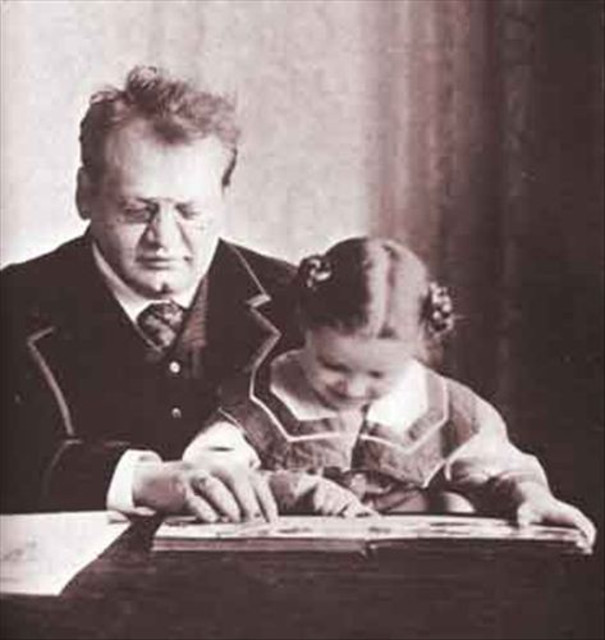
Max Reger was an important composer whose artistic worth far surpasses his still generally meager representation on the concert stages and in recordings. In his teen years, he came under the disparate influences of <a href="spotify:artist:5aIqB5nVVvmFsvSdExz408">Bach</a> and <a href="spotify:artist:1C1x4MVkql8AiABuTw6DgE">Wagner</a>, and eventually fused a style from these sources, adding his own unique and seemingly ubiquitous counterpoint, to fashion music that was both ahead of its time and inextricably bound to the past. His mature idiom melded Baroque structural ingredients with the opulent harmonic palette of the late Romantic period. His organ compositions include masterworks like the chorale fantasia Ein feste Burg is unser Gott, Fantasia and Fugue in C minor, and Fantasia and Fugue on B-A-C-H. His huge chamber music output, consisting of nine sonatas for violin and piano and many other works, is an important body of work.
Reger was born in Brand, Bavaria on March 19, 1873, and grew up in Weiden. He studied organ and violin with his father, and piano with his mother. At 11, he began studies with organist Adalbert Lindner. In 1888, Reger traveled to Bayreuth and heard performances of <a href="spotify:artist:1C1x4MVkql8AiABuTw6DgE">Wagner</a>'s Parsifal and Die Meistersinger. The experience had a lasting effect on him, the harmonies and sounds of the latter opera profoundly affecting his musical psyche. In 1890, he began studies in Wiesbaden with Hugo Riemann and soon produced his Violin Sonata No. 1, Op. 1 (1890-1891).
Reger developed a friendship with composers <a href="spotify:artist:47c9A6KfCVEBcylWs5GJYA">Eugen d'Albert</a> and <a href="spotify:artist:7xH3VOMwOjnqGu7NERNUx1">Feruccio Busoni</a> in the mid-1890s. During this time, he wrote several compositions for piano, including Lose Blätter (1894) and Aus der Jugendzeit (1895). After an unpleasant experience in the military that affected his physical and mental health, he returned to his parents' Weiden home to recuperate. During this period, he produced his Op. 27 chorale fantasia Ein Feste Burg is Unser Gott, and his Op. 29 Fantasy & Fugue in C minor. Reger also earned a reputation as a brilliant pianist at this time, playing many concerts of wide-ranging repertoire, including his own works.
In 1902 Reger married Elsa von Bercken. The Sinfonietta in A (1904-1905) set off a most unwelcome stir for the composer, placing him at odds with the more conservative musical circles in Munich, where he had settled in 1901. By 1907 Reger had decided that the hostile climate in Munich was not worth enduring any longer, and accepted a professorship at Leipzig University. His many students there included <a href="spotify:artist:2CFaOiHKik5FgNGzZJ08sx">Szell</a>, von Hoesslin, Joseph Haas, <a href="spotify:artist:6Sk1fzza85cgsTlpVG2KS4">Schoeck</a>, Kvapil, and Weinberger. His Violin Concerto (1907-1908) and the Symphonic Prologue to a Tragedy (1908) came during this period.
In 1911, Reger was appointed conductor of the Meiningen Court Orchestra by Duke George II. He continued appearing as a pianist and always found time to compose. In February, 1914, he suffered a breakdown from troubles in his Meiningen post and eventually resigned. By September 1914, he had finished Eight Sacred Songs and the Patriotic Overture for orchestra. In March 1915, the composer and his family settled in Jena, where he completed his Sonata No. 9 for violin and piano, declaring it his greatest work in the genre, and the first in his so-called "Jena style." Other important works came during his "Jena" period, including the Op. 131 chamber works for various string instruments (Op. 131a, Op. 131b, Op. 131c, Op. 131d). His concert schedule took him to Holland in May, 1916, where he died of a heart attack.
Reger was born in Brand, Bavaria on March 19, 1873, and grew up in Weiden. He studied organ and violin with his father, and piano with his mother. At 11, he began studies with organist Adalbert Lindner. In 1888, Reger traveled to Bayreuth and heard performances of <a href="spotify:artist:1C1x4MVkql8AiABuTw6DgE">Wagner</a>'s Parsifal and Die Meistersinger. The experience had a lasting effect on him, the harmonies and sounds of the latter opera profoundly affecting his musical psyche. In 1890, he began studies in Wiesbaden with Hugo Riemann and soon produced his Violin Sonata No. 1, Op. 1 (1890-1891).
Reger developed a friendship with composers <a href="spotify:artist:47c9A6KfCVEBcylWs5GJYA">Eugen d'Albert</a> and <a href="spotify:artist:7xH3VOMwOjnqGu7NERNUx1">Feruccio Busoni</a> in the mid-1890s. During this time, he wrote several compositions for piano, including Lose Blätter (1894) and Aus der Jugendzeit (1895). After an unpleasant experience in the military that affected his physical and mental health, he returned to his parents' Weiden home to recuperate. During this period, he produced his Op. 27 chorale fantasia Ein Feste Burg is Unser Gott, and his Op. 29 Fantasy & Fugue in C minor. Reger also earned a reputation as a brilliant pianist at this time, playing many concerts of wide-ranging repertoire, including his own works.
In 1902 Reger married Elsa von Bercken. The Sinfonietta in A (1904-1905) set off a most unwelcome stir for the composer, placing him at odds with the more conservative musical circles in Munich, where he had settled in 1901. By 1907 Reger had decided that the hostile climate in Munich was not worth enduring any longer, and accepted a professorship at Leipzig University. His many students there included <a href="spotify:artist:2CFaOiHKik5FgNGzZJ08sx">Szell</a>, von Hoesslin, Joseph Haas, <a href="spotify:artist:6Sk1fzza85cgsTlpVG2KS4">Schoeck</a>, Kvapil, and Weinberger. His Violin Concerto (1907-1908) and the Symphonic Prologue to a Tragedy (1908) came during this period.
In 1911, Reger was appointed conductor of the Meiningen Court Orchestra by Duke George II. He continued appearing as a pianist and always found time to compose. In February, 1914, he suffered a breakdown from troubles in his Meiningen post and eventually resigned. By September 1914, he had finished Eight Sacred Songs and the Patriotic Overture for orchestra. In March 1915, the composer and his family settled in Jena, where he completed his Sonata No. 9 for violin and piano, declaring it his greatest work in the genre, and the first in his so-called "Jena style." Other important works came during his "Jena" period, including the Op. 131 chamber works for various string instruments (Op. 131a, Op. 131b, Op. 131c, Op. 131d). His concert schedule took him to Holland in May, 1916, where he died of a heart attack.
Monthly Listeners
183,023
Monthly Listeners History
Track the evolution of monthly listeners over the last 28 days.
Followers
8,254
Followers History
Track the evolution of followers over the last 28 days.
Top Cities
5,821 listeners

3,831 listeners

3,167 listeners
2,984 listeners
2,032 listeners
Related Artists

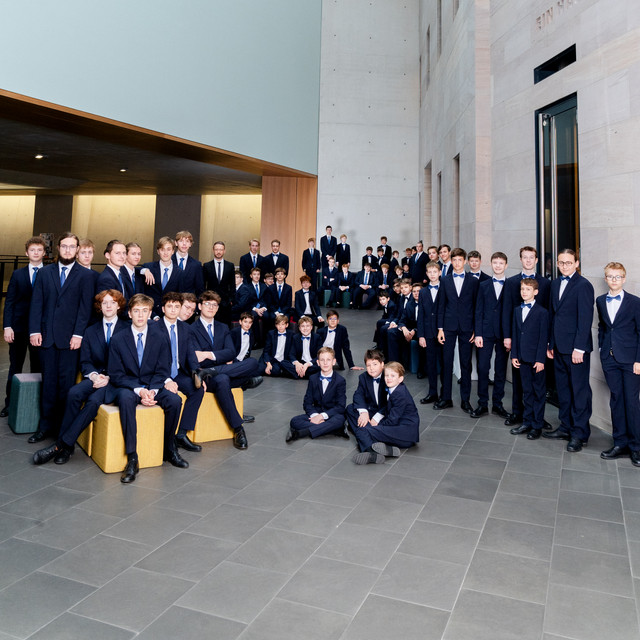
Windsbacher Knabenchor
Michael Alber

Franz Biebl
Yves Castagnet
Orpheus Vokalensemble
Ludwig Böhme
Andreas Hammerschmidt



Jan Pieterszoon Sweelinck
Regensburger Domspatzen
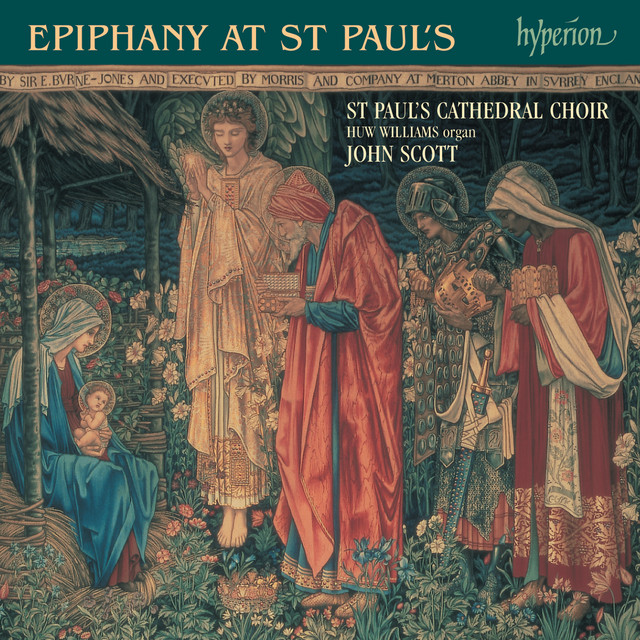
Johannes Eccard

Geoffrey Webber

Howard Arman

Knabenchor Hannover
Britt Marie Aruhn


Ulf Lundmark
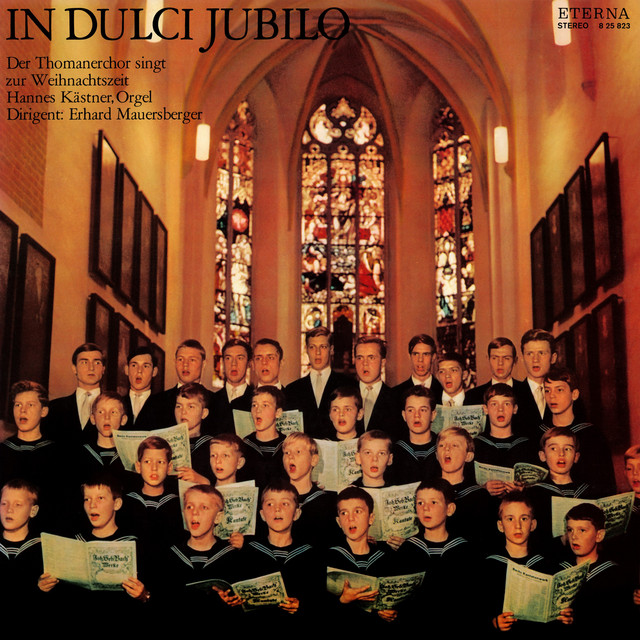
Erhard Mauersberger


Kammerchor Stuttgart
Gregor Meyer
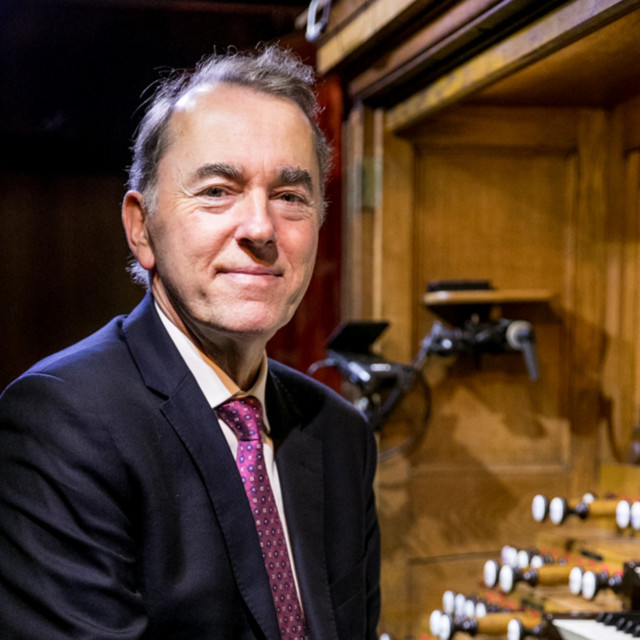
Thomas Trotter