Data may be outdated
Last updated: 9 months ago — Click refresh to get the latest statistics.
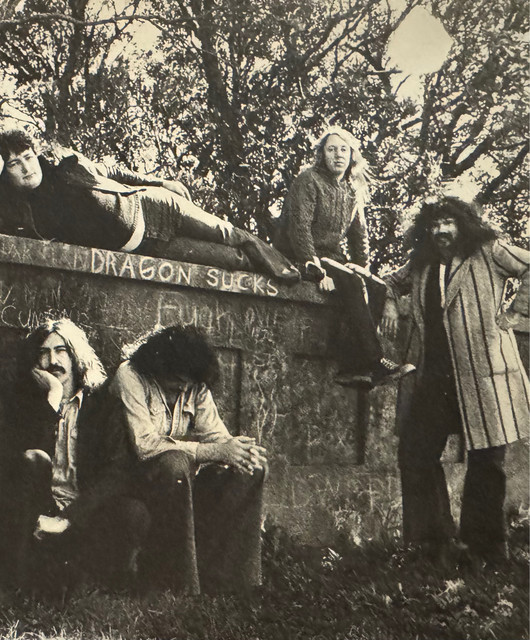
Even in the often strange and incestuous history of New Zealand rock, few bands enjoyed a more bizarre career than Mi-Sex; led by onetime cabaret singer <a href="spotify:artist:5dzan26224wiWvyCJXb3kS">Steve Gilpin</a>, the group emerged from art-rock beginnings to later reinvent themselves in the style of the new wave. The Mi-Sex story begins with <a href="spotify:artist:5dzan26224wiWvyCJXb3kS">Gilpin</a>, who rocketed to national fame in 1972 as the winner of the "New Faces" television talent contest; in the years to follow he became a fixture of the provincial hotel circuit, providing cabaret entertainment to lounge patrons. Taking a much different path were the members of Father Thyme, a hippified prog rock band comprised of vocalist Steve Grant, guitarist Don Begdegood, keyboardist Alan Moon, bassist <a href="spotify:artist:5XUjG97WeK2UDtIm9GST9t">Don Martin</a>, and drummer Lindsay Brook; a frustrated rocker himself, <a href="spotify:artist:5dzan26224wiWvyCJXb3kS">Gilpin</a> saw them play in 1976, and befriended Moon and <a href="spotify:artist:5XUjG97WeK2UDtIm9GST9t">Martin</a>, whom he felt had considerable potential.
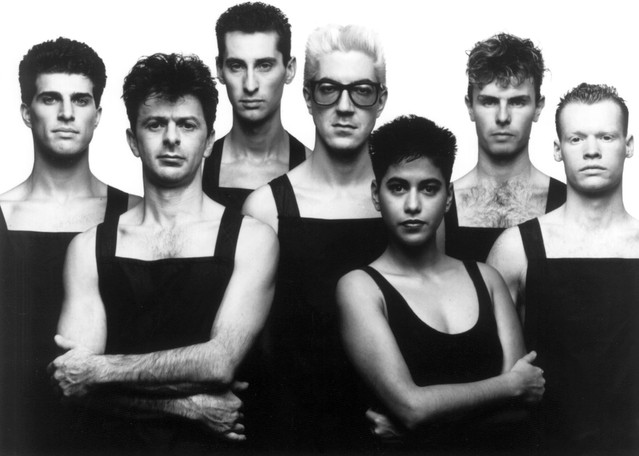
When Father Thyme split a year later, Moon and <a href="spotify:artist:5XUjG97WeK2UDtIm9GST9t">Martin</a> contacted <a href="spotify:artist:5dzan26224wiWvyCJXb3kS">Gilpin</a>, and the trio decided to form a band. Enlisting guitarist Kevin Stanton and drummer Don Smart, they first christened themselves Fragments of Time, quickly building a fan base thanks in large part to <a href="spotify:artist:5dzan26224wiWvyCJXb3kS">Gilpin</a>'s past TV fame. Moon soon exited, however, and <a href="spotify:artist:16p6zL7YNJxOdTCHSL1nko">Smart</a> was then let go as well; with the addition of keyboardist Murray Burns and drummer Richard Hodgkinson came not only a new name -- Mi-Sex -- but also a new image. Clad in tank tops and leather pants, the group immersed themselves completely in the music and style of the new wave, adding songs by the likes of <a href="spotify:artist:2BGRfQgtzikz1pzAD0kaEn">Elvis Costello</a>, <a href="spotify:artist:1Oedz03PvIZQvBJBneRd9S">Mink DeVille</a>, and <a href="spotify:artist:6c8INA1EQQe9TkukfEdiCA">Graham Parker</a> to their repertoire; however, with their laser light shows and tight choreography, Mi-Sex seemed to belong to the pre-punk era, missing the point of the post-punk era entirely. Still, when EMI came looking for a local new wave band, Mi-Sex was the group they selected, and in 1978 they issued their debut single, "Straight Laddie."
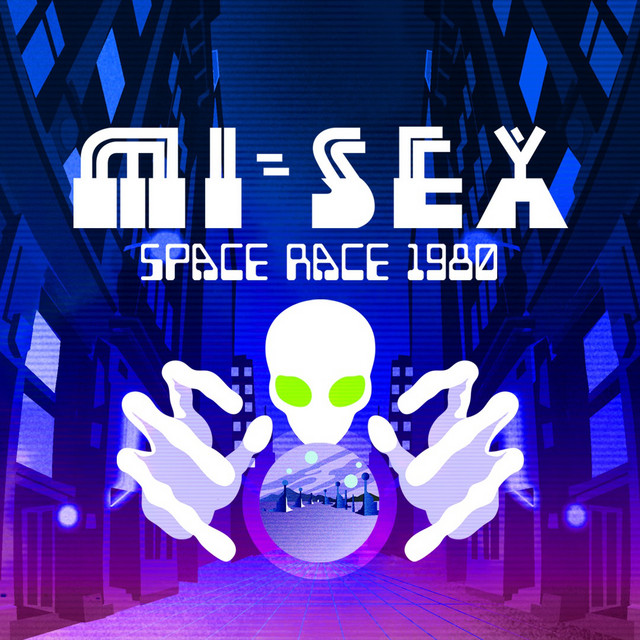
The record sank without a trace, and although they maintained a strong fan following, Mi-Sex was viewed with derision by their local new wave compatriots; however, a move to Australia proved highly successful, and in 1979 they issued their debut LP, Graffiti Crimes. A single, "Computer Games," topped the Australian charts, and the group made a triumphant return to New Zealand. A second album, 1980's Space Race, was also a hit, but when a planned American tour fell through, Mi-Sex's momentum took a serious blow; even at home, audiences were dwindling, and 1981's Shanghaied made little impact. Hodgkinson soon exited, to be replaced by ex-<a href="spotify:artist:5F9htFt4m7YIj7k36CPVCv">Coup D'Etat</a> drummer Paul Dunningham; a few minor hits followed, including "Castaway" and "Blue Day," but after 1984's Where Do They Go? failed to crack the charts, Mi-Sex disbanded. <a href="spotify:artist:5dzan26224wiWvyCJXb3kS">Steve Gilpin</a> died in 1991. ~ Jason Ankeny, Rovi
When Father Thyme split a year later, Moon and <a href="spotify:artist:5XUjG97WeK2UDtIm9GST9t">Martin</a> contacted <a href="spotify:artist:5dzan26224wiWvyCJXb3kS">Gilpin</a>, and the trio decided to form a band. Enlisting guitarist Kevin Stanton and drummer Don Smart, they first christened themselves Fragments of Time, quickly building a fan base thanks in large part to <a href="spotify:artist:5dzan26224wiWvyCJXb3kS">Gilpin</a>'s past TV fame. Moon soon exited, however, and <a href="spotify:artist:16p6zL7YNJxOdTCHSL1nko">Smart</a> was then let go as well; with the addition of keyboardist Murray Burns and drummer Richard Hodgkinson came not only a new name -- Mi-Sex -- but also a new image. Clad in tank tops and leather pants, the group immersed themselves completely in the music and style of the new wave, adding songs by the likes of <a href="spotify:artist:2BGRfQgtzikz1pzAD0kaEn">Elvis Costello</a>, <a href="spotify:artist:1Oedz03PvIZQvBJBneRd9S">Mink DeVille</a>, and <a href="spotify:artist:6c8INA1EQQe9TkukfEdiCA">Graham Parker</a> to their repertoire; however, with their laser light shows and tight choreography, Mi-Sex seemed to belong to the pre-punk era, missing the point of the post-punk era entirely. Still, when EMI came looking for a local new wave band, Mi-Sex was the group they selected, and in 1978 they issued their debut single, "Straight Laddie."
The record sank without a trace, and although they maintained a strong fan following, Mi-Sex was viewed with derision by their local new wave compatriots; however, a move to Australia proved highly successful, and in 1979 they issued their debut LP, Graffiti Crimes. A single, "Computer Games," topped the Australian charts, and the group made a triumphant return to New Zealand. A second album, 1980's Space Race, was also a hit, but when a planned American tour fell through, Mi-Sex's momentum took a serious blow; even at home, audiences were dwindling, and 1981's Shanghaied made little impact. Hodgkinson soon exited, to be replaced by ex-<a href="spotify:artist:5F9htFt4m7YIj7k36CPVCv">Coup D'Etat</a> drummer Paul Dunningham; a few minor hits followed, including "Castaway" and "Blue Day," but after 1984's Where Do They Go? failed to crack the charts, Mi-Sex disbanded. <a href="spotify:artist:5dzan26224wiWvyCJXb3kS">Steve Gilpin</a> died in 1991. ~ Jason Ankeny, Rovi
Monthly Listeners
73,587
Monthly Listeners History
Track the evolution of monthly listeners over the last 28 days.
Followers
41,791
Followers History
Track the evolution of followers over the last 28 days.
Top Cities


Related Artists






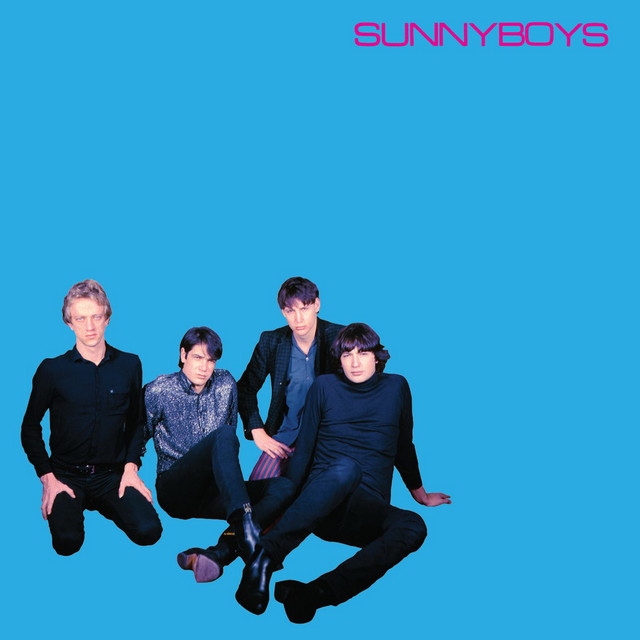
Sunnyboys

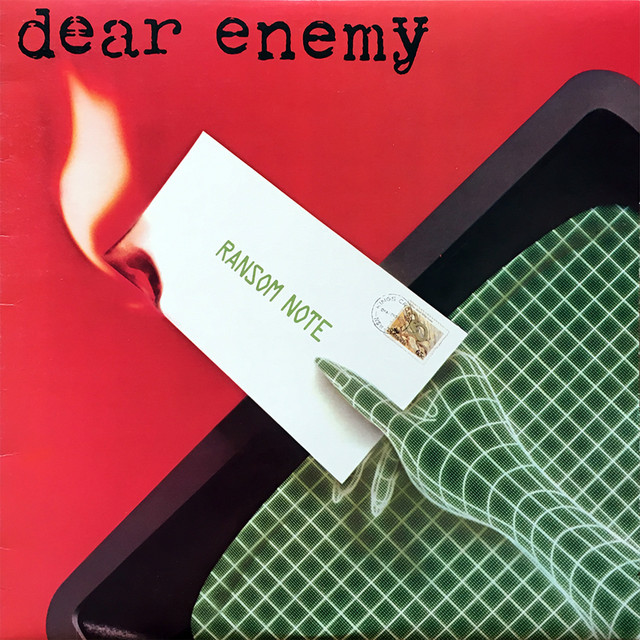
Dear Enemy