Genre
kiwi rock
Top Kiwi rock Artists
Showing 25 of 63 artists












About Kiwi rock
Kiwi rock is the sound of New Zealand filtered through stormy seas and intimate pub rooms: a lineage of guitars, tight rhythm sections, and lyrics that tilt toward wry humor and idiosyncratic observation. Born from the island nation’s late-1960s and 1970s scene—where local bands mixed British guitar pop, American blues-rock, and the itch to stand apart from their bigger neighbors—kiwi rock grew into a distinctly New Zealand voice. Its international identity centers on two strands: the punchy pub-rock vitality of the first wave, and the moody, jangly depth of the Dunedin sound that crystallized in the 1980s.
The Dunedin sound, the most celebrated subgenre in Kiwi rock, arrived in whispers and quickly became a movement. Bands such as The Chills, The Clean, The Bats, and The Verlaines cut jagged, lo-fi guitar lines, bright melodies and a sense of cinematic melancholy. They released records on Flying Nun Records, a label that became a badge of Kiwi authenticity and a beacon for indie fans worldwide. The aesthetic—tangled guitars, echoing drums, and homespun production—still resonates with listeners who chase music that sounds both intimate and audacious.
Meanwhile, the 1970s and 1980s in Auckland and Wellington gave Kiwi rock a different energy: pub rock with hooks that could land in mainstream radio. Split Enz, formed in Auckland, fused theatricality with pop sensibility and yielded the international breakthrough I Got You. Its members Tim and Neil Finn also forged Crowded House, a group that became one of the era’s most successful bridge acts between New Zealand and the world, with anthems like Don’t Dream It’s Over crossing out of the antipodes into global charts.
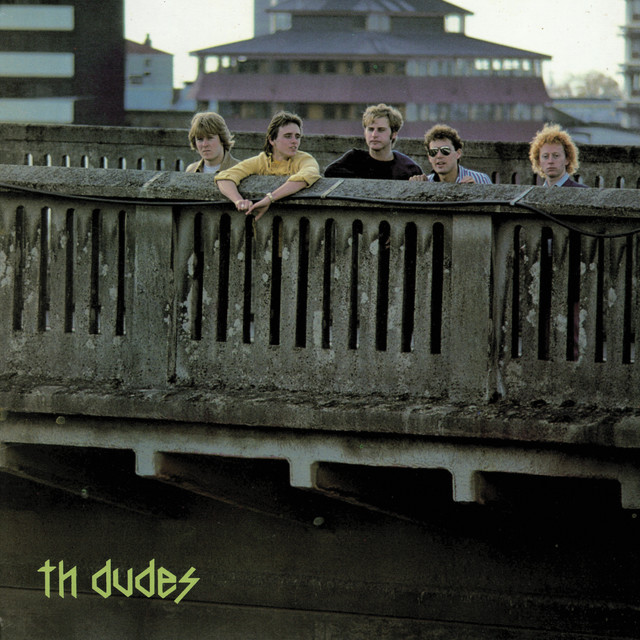
Beyond these luminaries, Kiwi rock has produced a steady stream of ambassadors and sturdy craftsmen: Hello Sailor and Th’ Dudes in the 70s, Dragon and The Mutton Birds in later decades, and more recent outfits like The Phoenix Foundation and rhythmic indie bands continuing to tour and record worldwide. Though the sound has diversified, the through line remains: a pragmatic curiosity, a willingness to experiment, and a stubborn belief in songs that stick.
Kiwi rock is strongest in New Zealand and Australia, where bands frequently cross the Tasman. It also maintains a devoted fringe in Anglophone indie networks—Britain, the United States, and parts of Europe—where Flying Nun's legacy and cross-pollination sustain a taste for jangly guitars and sharp lyric wit. From lo-fi pop to big anthems, Kiwi rock remains resilient and adaptable. Today, fans describe it less as a fixed sound and more as a mood—a commitment to craft, camaraderie, and the idea that a small island nation can send big, panoramic music across the world.
Suggested listening: The Chills' Pink Frost; The Clean's Tally Ho; The Bats' Nadine; The Verlaines' Death and Maiden; Split Enz's I Got You; Crowded House's Don't Dream It's Over. These tracks show Kiwi rock's blend of hooks with quirky voices that keep resonating across generations. For newcomers, give yourself time to hear the space between notes—the quiet moments as essential as the riffs, and the stories behind them. Let Kiwi rock surprise you, then invite you back for more again and again.
The Dunedin sound, the most celebrated subgenre in Kiwi rock, arrived in whispers and quickly became a movement. Bands such as The Chills, The Clean, The Bats, and The Verlaines cut jagged, lo-fi guitar lines, bright melodies and a sense of cinematic melancholy. They released records on Flying Nun Records, a label that became a badge of Kiwi authenticity and a beacon for indie fans worldwide. The aesthetic—tangled guitars, echoing drums, and homespun production—still resonates with listeners who chase music that sounds both intimate and audacious.
Meanwhile, the 1970s and 1980s in Auckland and Wellington gave Kiwi rock a different energy: pub rock with hooks that could land in mainstream radio. Split Enz, formed in Auckland, fused theatricality with pop sensibility and yielded the international breakthrough I Got You. Its members Tim and Neil Finn also forged Crowded House, a group that became one of the era’s most successful bridge acts between New Zealand and the world, with anthems like Don’t Dream It’s Over crossing out of the antipodes into global charts.
Beyond these luminaries, Kiwi rock has produced a steady stream of ambassadors and sturdy craftsmen: Hello Sailor and Th’ Dudes in the 70s, Dragon and The Mutton Birds in later decades, and more recent outfits like The Phoenix Foundation and rhythmic indie bands continuing to tour and record worldwide. Though the sound has diversified, the through line remains: a pragmatic curiosity, a willingness to experiment, and a stubborn belief in songs that stick.
Kiwi rock is strongest in New Zealand and Australia, where bands frequently cross the Tasman. It also maintains a devoted fringe in Anglophone indie networks—Britain, the United States, and parts of Europe—where Flying Nun's legacy and cross-pollination sustain a taste for jangly guitars and sharp lyric wit. From lo-fi pop to big anthems, Kiwi rock remains resilient and adaptable. Today, fans describe it less as a fixed sound and more as a mood—a commitment to craft, camaraderie, and the idea that a small island nation can send big, panoramic music across the world.
Suggested listening: The Chills' Pink Frost; The Clean's Tally Ho; The Bats' Nadine; The Verlaines' Death and Maiden; Split Enz's I Got You; Crowded House's Don't Dream It's Over. These tracks show Kiwi rock's blend of hooks with quirky voices that keep resonating across generations. For newcomers, give yourself time to hear the space between notes—the quiet moments as essential as the riffs, and the stories behind them. Let Kiwi rock surprise you, then invite you back for more again and again.