Data may be outdated
Last updated: 7 months ago — Click refresh to get the latest statistics.
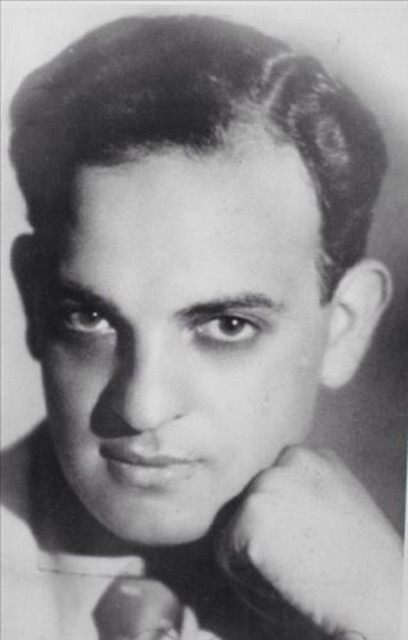
Miguel Caló was an important bandleader, composer, and bandoneon master, and one of the great tango innovators of the 20th century. Revered in his home country of Argentina, his influence has spread globally during the 21st century.
After conducting the bands of <a href="spotify:artist:30tf3CsLuv3h4nR6n7ianI">Osvaldo Fresedo</a> and <a href="spotify:artist:2BHmQMnxovqQ0lxBYSU24U">Francisco Pracánico</a>, in 1929 he formed his first of several orchestras, which featured prominent future bandleaders and soloists including Miguel Nijensohn, <a href="spotify:artist:5GFa1oIEY4uabHh6L54t8d">Carlos Dante</a>, Argentino Galvan, <a href="spotify:artist:5MUxvhkKJ6F52OtoV3i93A">Raul Beron</a>, <a href="spotify:artist:6Dcx7NYlUfqSJZjIjC3Hwk">Domingo Federico</a>, <a href="spotify:artist:2ON8esI0g47PV63tLFzsGh">Eduardo Rovira</a>, Antonio Rodio, <a href="spotify:artist:20AkhoONYfxxb1I3di4lGb">Hugo Baralis</a>, and <a href="spotify:artist:6NaKJLakKOpxelAHi5MIaz">Alberto Podesta</a>. His greatest influence, however, came during the tango revolution of the 1940s -- he was among the most sought-after arrangers, bandleaders, and performers of the decade.
While he is primarily remembered as a bandleader, Caló composed numerous tangos, both instrumental and vocal. Some, including "Milonga Porteña," "Todo Es Mentira," "Ternuras," "Cobrate y Dame el Vuelto," "Qué Te Importa que Llore," and "Dos Fracasos," are considered immortal classics. In 2016, nearly 45 years after his death, the compilation Siguen Los Exitos de La Orquesta de Miguel Calo placed in the Top Ten in the Latin Pop Albums, number 48 at Top Latin Albums, and 25 on the Jazz Albums charts. ~ Thom Jurek, Rovi
After conducting the bands of <a href="spotify:artist:30tf3CsLuv3h4nR6n7ianI">Osvaldo Fresedo</a> and <a href="spotify:artist:2BHmQMnxovqQ0lxBYSU24U">Francisco Pracánico</a>, in 1929 he formed his first of several orchestras, which featured prominent future bandleaders and soloists including Miguel Nijensohn, <a href="spotify:artist:5GFa1oIEY4uabHh6L54t8d">Carlos Dante</a>, Argentino Galvan, <a href="spotify:artist:5MUxvhkKJ6F52OtoV3i93A">Raul Beron</a>, <a href="spotify:artist:6Dcx7NYlUfqSJZjIjC3Hwk">Domingo Federico</a>, <a href="spotify:artist:2ON8esI0g47PV63tLFzsGh">Eduardo Rovira</a>, Antonio Rodio, <a href="spotify:artist:20AkhoONYfxxb1I3di4lGb">Hugo Baralis</a>, and <a href="spotify:artist:6NaKJLakKOpxelAHi5MIaz">Alberto Podesta</a>. His greatest influence, however, came during the tango revolution of the 1940s -- he was among the most sought-after arrangers, bandleaders, and performers of the decade.
While he is primarily remembered as a bandleader, Caló composed numerous tangos, both instrumental and vocal. Some, including "Milonga Porteña," "Todo Es Mentira," "Ternuras," "Cobrate y Dame el Vuelto," "Qué Te Importa que Llore," and "Dos Fracasos," are considered immortal classics. In 2016, nearly 45 years after his death, the compilation Siguen Los Exitos de La Orquesta de Miguel Calo placed in the Top Ten in the Latin Pop Albums, number 48 at Top Latin Albums, and 25 on the Jazz Albums charts. ~ Thom Jurek, Rovi
Monthly Listeners
36,585
Monthly Listeners History
Track the evolution of monthly listeners over the last 28 days.
Followers
19,548
Followers History
Track the evolution of followers over the last 28 days.
Top Cities
2,655 listeners
1,968 listeners

1,877 listeners

879 listeners
512 listeners
Related Artists
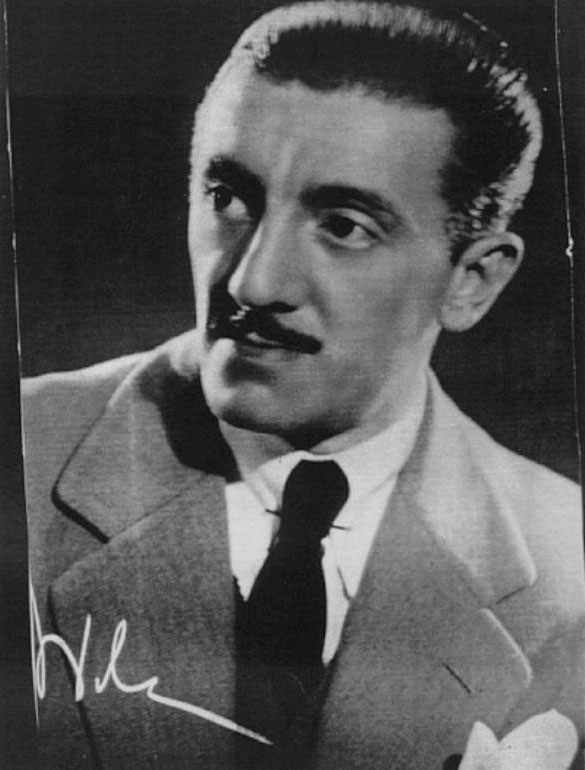
Rodolfo Biagi
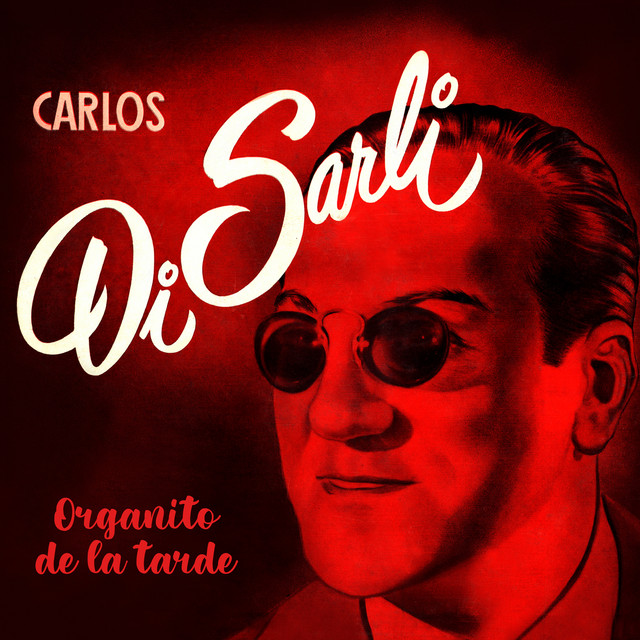

Francisco Lomuto
Lucio Demare

Aníbal Troilo Y Su Orquesta Típica
Alberto Echagüe
Alberto Morán

Angel D'Agostino
Juan D'Arienzo y su Orquesta Típica
Enrique Campos
Roberto Rufino
Orquesta Rodolfo Biagi
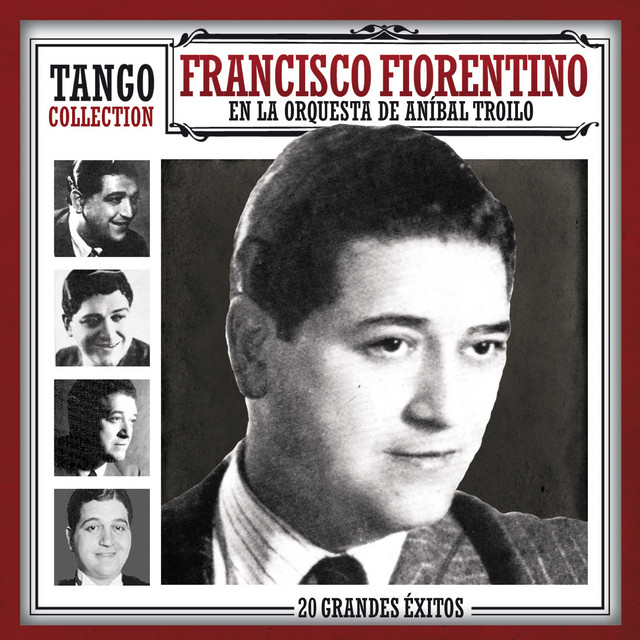

Osvaldo Fresedo
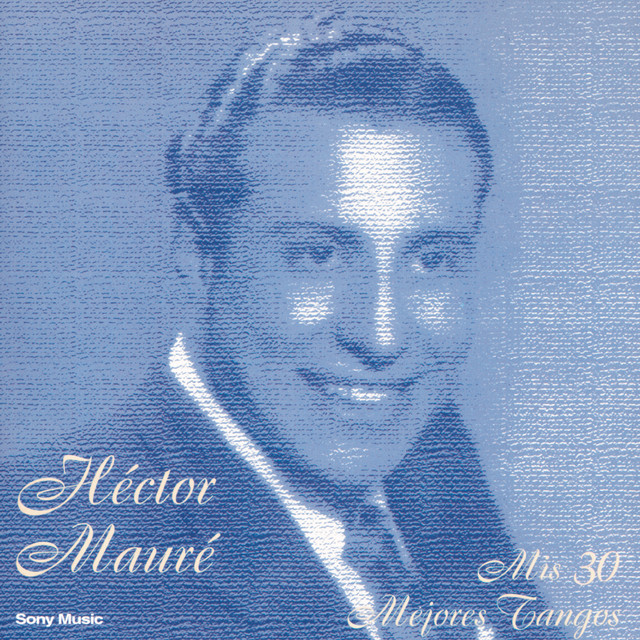
Héctor Mauré
Hugo Duval
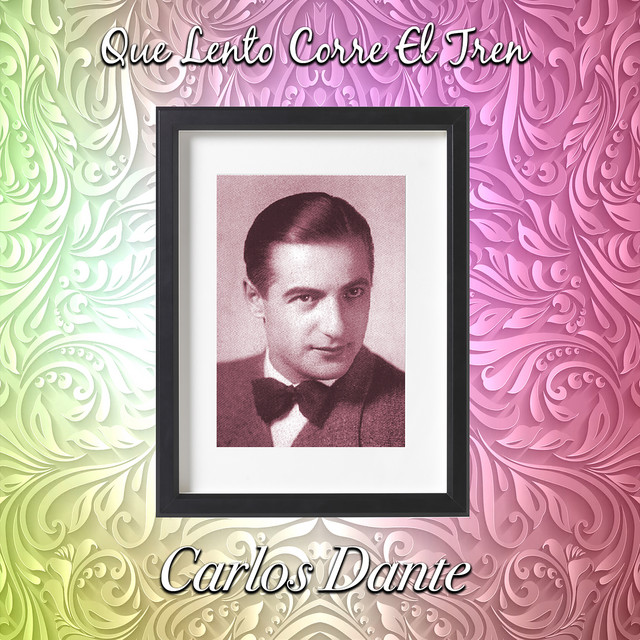
Carlos Dante
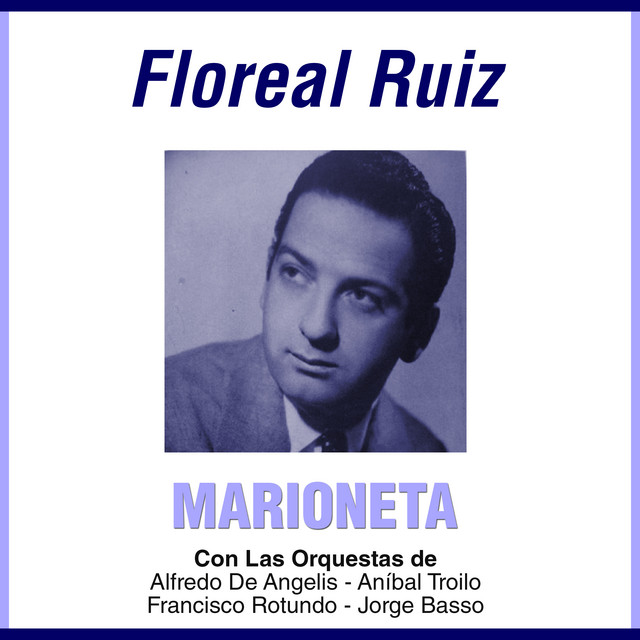
Floreal Ruiz

Carlos Di Sarli y su Orquesta Típica

Domingo Federico

Ricardo Tanturi y Enrique Campos

Ricardo Malerba
Donato Racciatti y Su Orquesta Típica

Orquesta Carlos di Sarli
Alberto Marino

Orquesta Tipica Victor
Héctor Varela
Armando Laborde
