Genre
tango
Top Tango Artists
Showing 25 of 5,590 artists






About Tango
Tango is more than a genre—it's a constellation of sound, mood, and movement that emerged from the port cities of Buenos Aires and Montevideo at the end of the 19th century. Born in the mingling of Italian, Spanish, and Afro-Argentine communities, tango grew from milonga gatherings, barrooms, and immigrant dances where people improvised steps to a daring, syncopated rhythm. The earliest tango songs fused European operetta melodies with the grit of the street, and the bandoneón—the squeezebox brought by European immigrants—became its signature voice, capable of sighing, flirting, and pining in one breath.
By the 1910s and 1920s tango began to travel beyond seaport neighborhoods, reaching Buenos Aires' cafes and orchestras; it also crossed the river to Uruguay's Montevideo, where the tempo, dramatics, and urban intimacy of the music found a ready audience. The first great wave of attention came with songs like La Cumparsita (1916) by Gerardo Matos Rodríguez and El Choclo (1903) by Ángel Villoldo, melodies that would become synonymous with the sound and longing of tango.
During the 1930s and 1940s tango achieved its 'Edad de Oro' (Golden Age), with orchestras led by Aníbal Troilo, Osvaldo Pugliese, and Juan D'Arienzo, whose backbeat and drive shaped the four-beat pulse dancers crave. The era also produced iconic vocalists like Carlos Gardel, whose velvet voice helped push tango into mass popularity before his untimely death in 1935.
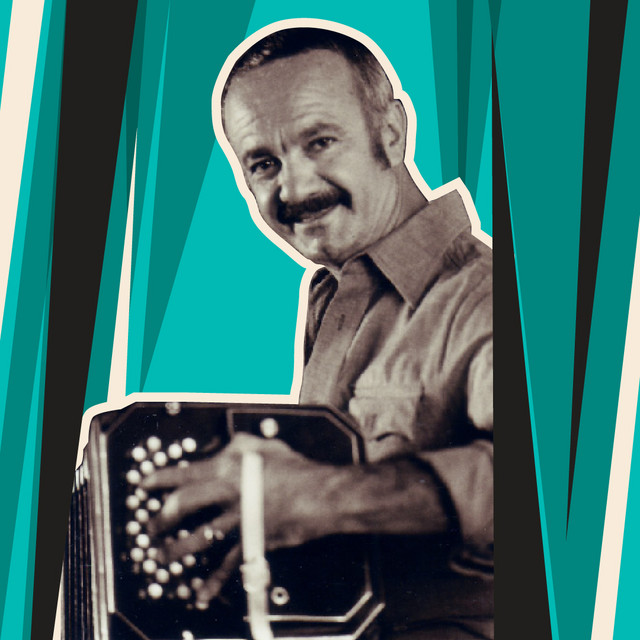
In parallel, the instrumental tradition—bandoneón, violin, piano, and double bass—developed a sophisticated language of melody and rhythm that can be sweeping, intimate, or feverishly dramatic. Astor Piazzolla, starting in the 1960s, reframed tango as Nuevo Tango, infusing jazz harmonies and concert-form structures while retaining the bandoneón-centered core. His recordings, collaborations, and ambitious concert works—most famously Libertango and Adiós Nonino—diverted tango from the dance floor into concert halls, while still inviting dancers to the embrace.
Across continents, tango answers to new listeners through ensembles and crossover artists. In the 21st century, groups like Gotan Project, Bajofondo, and Tanghetto bridged tango with electronic textures, cinema-inspired scoring, and global collaboration, keeping the tradition vital while inviting fresh ears.
Geographically, tango remains strongest in Argentina and Uruguay, where it is woven into daily life, festivals, and milongas; it also enjoys thriving scenes in Spain, France, Italy, and other parts of Europe, with sizable communities in the United States and Japan. Musically, tango centers the bandoneón and the string section, with canciones that range from lyrical ballads to celebratory dance pieces; the rhythm is a steady four-beat pulse with syncopation that invites walking and embracing.
Collectors and scholars note the genre's migratory history—from immigrant quarters to ballrooms, concert stages, and festival plazas. The tango endures because it can be intensely personal and broadly communal at once worldwide. For listeners and dancers alike.
By the 1910s and 1920s tango began to travel beyond seaport neighborhoods, reaching Buenos Aires' cafes and orchestras; it also crossed the river to Uruguay's Montevideo, where the tempo, dramatics, and urban intimacy of the music found a ready audience. The first great wave of attention came with songs like La Cumparsita (1916) by Gerardo Matos Rodríguez and El Choclo (1903) by Ángel Villoldo, melodies that would become synonymous with the sound and longing of tango.
During the 1930s and 1940s tango achieved its 'Edad de Oro' (Golden Age), with orchestras led by Aníbal Troilo, Osvaldo Pugliese, and Juan D'Arienzo, whose backbeat and drive shaped the four-beat pulse dancers crave. The era also produced iconic vocalists like Carlos Gardel, whose velvet voice helped push tango into mass popularity before his untimely death in 1935.
In parallel, the instrumental tradition—bandoneón, violin, piano, and double bass—developed a sophisticated language of melody and rhythm that can be sweeping, intimate, or feverishly dramatic. Astor Piazzolla, starting in the 1960s, reframed tango as Nuevo Tango, infusing jazz harmonies and concert-form structures while retaining the bandoneón-centered core. His recordings, collaborations, and ambitious concert works—most famously Libertango and Adiós Nonino—diverted tango from the dance floor into concert halls, while still inviting dancers to the embrace.
Across continents, tango answers to new listeners through ensembles and crossover artists. In the 21st century, groups like Gotan Project, Bajofondo, and Tanghetto bridged tango with electronic textures, cinema-inspired scoring, and global collaboration, keeping the tradition vital while inviting fresh ears.
Geographically, tango remains strongest in Argentina and Uruguay, where it is woven into daily life, festivals, and milongas; it also enjoys thriving scenes in Spain, France, Italy, and other parts of Europe, with sizable communities in the United States and Japan. Musically, tango centers the bandoneón and the string section, with canciones that range from lyrical ballads to celebratory dance pieces; the rhythm is a steady four-beat pulse with syncopation that invites walking and embracing.
Collectors and scholars note the genre's migratory history—from immigrant quarters to ballrooms, concert stages, and festival plazas. The tango endures because it can be intensely personal and broadly communal at once worldwide. For listeners and dancers alike.