Data may be outdated
Last updated: 9 months ago — Click refresh to get the latest statistics.
Myrna Lorrie is something of a fixture in Canadian country music, but she never made serious inroads in the American market. Nevertheless, she racked up several Canadian number ones in the '60s -- "I Can't Live with Him," "Tell Me Not to Go," "Turn Down the Music" -- and regularly performed in person and on radio and television, building up a reputation that led to her induction into the Canadian Country Music Hall of Fame in 1989.
There was a time when she attempted to break into the U.S. market, though. It was early in her career, just after her homeland fame was beginning to build. Born in Cloud Bay, Ontario on August 6, 1940, she sang regularly as a child, eventually winding up on local radio programs when she was in her early teens. She came to the attention of Don Grashey, a songwriter who asked her to be Buddy DeVal's duet partner on "Are You Mine." The single was released on <a href="spotify:search:label%3A%22Abbott+Records%22">Abbott Records</a> in late 1954 and wound up charting in January 1955, climbing all the way to number six on the <a href="spotify:search:label%3A%22Billboard%22">Billboard</a> country charts (Grashey had simultaneously released another version of "Are You Mine" recorded by <a href="spotify:artist:0HONY1zPTq1LjWMvMey7hA">Ginny Wright</a> and <a href="spotify:artist:1zj14NYCc5nDMpeBuusEUE">Tom Tall</a> on his own label; it peaked at number two).
"Are You Mine" pushed Lorrie into the spotlight and she appeared with <a href="spotify:artist:3fq6r0bSIm4McymHKNMk4S">Hank Snow</a> at the Grand Ole Opry, then cut several more singles for <a href="spotify:search:label%3A%22Abbott%22">Abbott</a> before moving to <a href="spotify:search:label%3A%22RCA%22">RCA</a> in 1957. None of these singles wound up turning into a big hits, and then in 1960 she married and started a family. By the mid-'60s she had returned to her native Canada and was hosting her own television program, The Myrna Lorrie Show, while recording singles for the Canadian market on the <a href="spotify:search:label%3A%22Gaity%22">Gaity</a> and <a href="spotify:search:label%3A%22Musicor%22">Musicor</a> imprints; this is where her aforementioned streak of number ones began.
Once the singles dried up -- her last charting single was 1971's "Bringing Mary Home," which scraped the Top 40 at 37 -- she devoted herself to hosting television programs. She was on Countrytime between 1970 and 1974 and Nashville Swing between 1977 and 1981. She played live regularly throughout the '80s, sometimes letting a young singer, <a href="spotify:artist:5e4Dhzv426EvQe3aDb64jL">Eileen Twain</a>, sing on-stage with her (<a href="spotify:artist:5e4Dhzv426EvQe3aDb64jL">Twain</a> came to stardom as <a href="spotify:artist:5e4Dhzv426EvQe3aDb64jL">Shania</a>), and then in 1989 Lorrie had her last hit with "Blue Blue Me." That year she also was inducted into the Canadian Country Music Hall of Fame. She continued to perform and occasionally record throughout the '90s but she slowly wound down her career after that. ~ Stephen Thomas Erlewine, Rovi
There was a time when she attempted to break into the U.S. market, though. It was early in her career, just after her homeland fame was beginning to build. Born in Cloud Bay, Ontario on August 6, 1940, she sang regularly as a child, eventually winding up on local radio programs when she was in her early teens. She came to the attention of Don Grashey, a songwriter who asked her to be Buddy DeVal's duet partner on "Are You Mine." The single was released on <a href="spotify:search:label%3A%22Abbott+Records%22">Abbott Records</a> in late 1954 and wound up charting in January 1955, climbing all the way to number six on the <a href="spotify:search:label%3A%22Billboard%22">Billboard</a> country charts (Grashey had simultaneously released another version of "Are You Mine" recorded by <a href="spotify:artist:0HONY1zPTq1LjWMvMey7hA">Ginny Wright</a> and <a href="spotify:artist:1zj14NYCc5nDMpeBuusEUE">Tom Tall</a> on his own label; it peaked at number two).
"Are You Mine" pushed Lorrie into the spotlight and she appeared with <a href="spotify:artist:3fq6r0bSIm4McymHKNMk4S">Hank Snow</a> at the Grand Ole Opry, then cut several more singles for <a href="spotify:search:label%3A%22Abbott%22">Abbott</a> before moving to <a href="spotify:search:label%3A%22RCA%22">RCA</a> in 1957. None of these singles wound up turning into a big hits, and then in 1960 she married and started a family. By the mid-'60s she had returned to her native Canada and was hosting her own television program, The Myrna Lorrie Show, while recording singles for the Canadian market on the <a href="spotify:search:label%3A%22Gaity%22">Gaity</a> and <a href="spotify:search:label%3A%22Musicor%22">Musicor</a> imprints; this is where her aforementioned streak of number ones began.
Once the singles dried up -- her last charting single was 1971's "Bringing Mary Home," which scraped the Top 40 at 37 -- she devoted herself to hosting television programs. She was on Countrytime between 1970 and 1974 and Nashville Swing between 1977 and 1981. She played live regularly throughout the '80s, sometimes letting a young singer, <a href="spotify:artist:5e4Dhzv426EvQe3aDb64jL">Eileen Twain</a>, sing on-stage with her (<a href="spotify:artist:5e4Dhzv426EvQe3aDb64jL">Twain</a> came to stardom as <a href="spotify:artist:5e4Dhzv426EvQe3aDb64jL">Shania</a>), and then in 1989 Lorrie had her last hit with "Blue Blue Me." That year she also was inducted into the Canadian Country Music Hall of Fame. She continued to perform and occasionally record throughout the '90s but she slowly wound down her career after that. ~ Stephen Thomas Erlewine, Rovi
Monthly Listeners
173
Monthly Listeners History
Track the evolution of monthly listeners over the last 28 days.
Followers
155
Followers History
Track the evolution of followers over the last 28 days.
Top Cities
6 listeners

6 listeners
3 listeners

3 listeners
3 listeners
Related Artists


Anita Carter
Loretta Thompson

Tabby West

Tibby Edwards
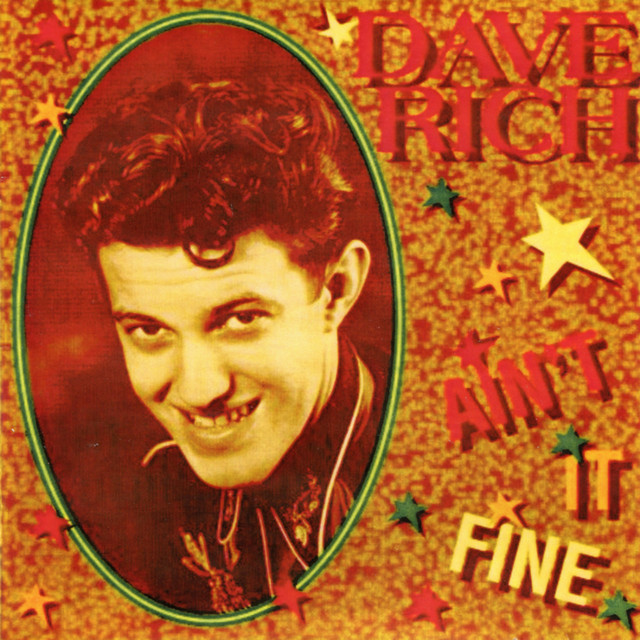

Rockin' Bonnie Western Bound Combo

John and Frances Reedy and their Stone Mountain Band
Donna Darlene
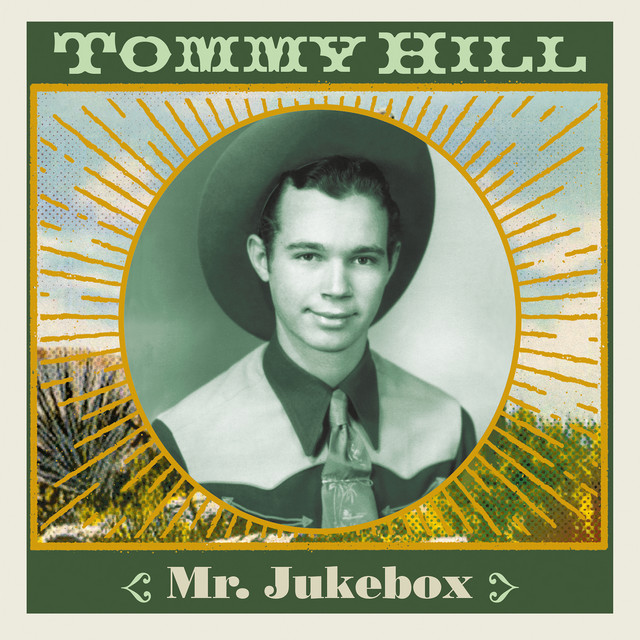
Tommy Hill

Maggie Sue Wimberly
Connie Hall

Ginny Wright

Evelyn White