Data may be outdated
Last updated: 1 month ago — Click refresh to get the latest statistics.
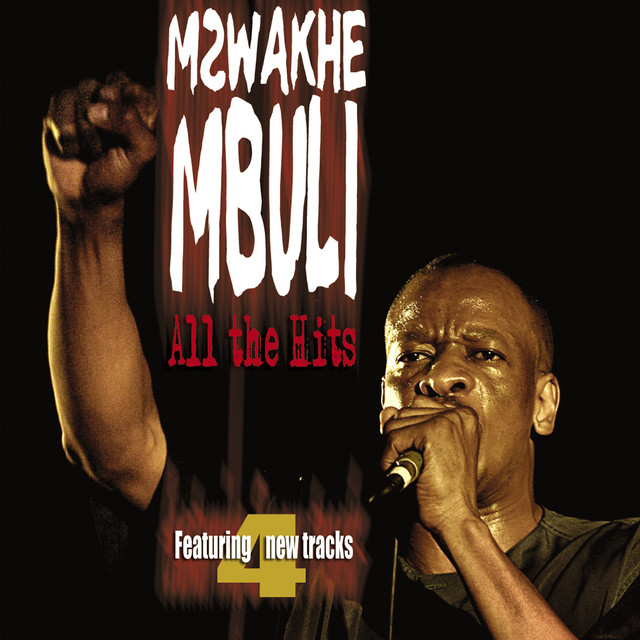
Known affectionately in South Africa as a "people's poet," Mbuli has been haunted for his political convictions throughout his career. His home village of Sophiatown was razed to build a white settlement. His debut album, Change Is Pain, was banned by the South African government upon its release in 1987. Nine years later, shots were fired into his car while he was driving. The following year while in Pretoria to discuss the attempt on his life, he was arrested, along with two companions. Denied bail, he was held in a cell for a year and a half before his trial was held. It marked the eighth time that he had been detained.
A native of Sophiatown, Mbuli inherited his musical skills from his father, a mbube (traditional harmonic) singer. As a youngster, he often heard praise poets performing for visiting kings. Relocating to Soweto following the destruction of his home village, he became involved with local and school-based theater groups.
Mbuli's first steps towards a professional musical career were taken in 1981 when he recited two poems, "Sies" and "Ignorant," at a memorial concert for Father Castro Moyathula. His performance was so well received that he was asked to repeat the poems at the funeral service at Regina Mundo Church. Mbuli soon became a regular performer at political and cultural events. Despite government resistance, he successfully built an extremely loyal following. His second album, Unbroken Spirit, qualified for gold status without the benefit of radio exposure. Forming a band, <a href="spotify:artist:0l7TxYWNUtEgWocjz8IaOt">the Equals</a>, in the early '90s, Mbuli set his hard-edged, mostly English, lyrics and deep voice to a fusion of marabi (South African jazz), kwela (pennywhistle music), and mbanqanga. By 1994, Mbuli had risen to the upper echelon of South African music and was invited to speak at Nelson Mandela's inauguration. ~ Craig Harris, Rovi
Monthly Listeners
25,309
Monthly Listeners History
Track the evolution of monthly listeners over the last 28 days.
Followers
42,769
Followers History
Track the evolution of followers over the last 28 days.
Total Streams
6.1 million
Total Streams History
Track the evolution of total streams over the last 28 days. This data is calculated from all tracks listed in the artist's discography.
Top Cities

Related Artists


Vusi Ximba
Lovemore Majaivana

MmaAusi
Shabalala Rhythm

Ivangeli Loxolo

Nothembi Mkhwebane

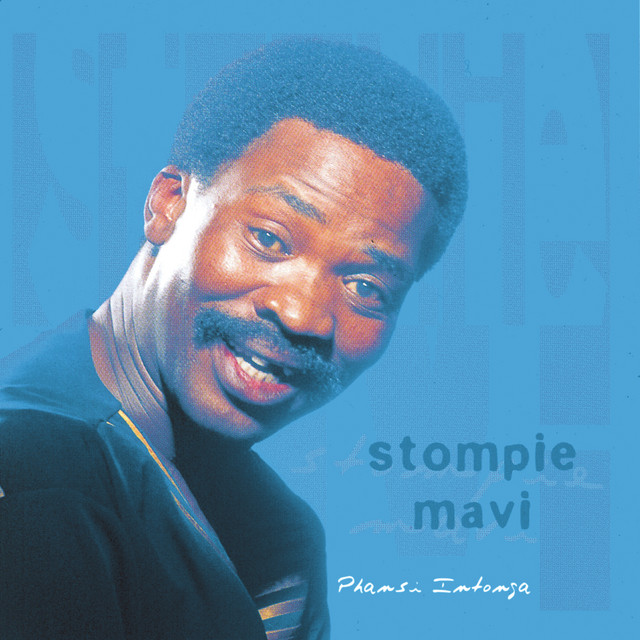
Amaqabane

Izingqungqulu Zomhlaba
ANC
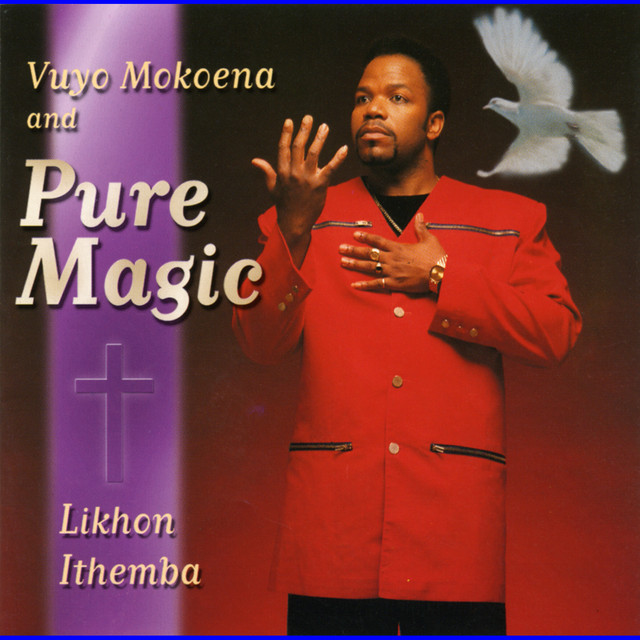
Pure Magic

Maria Le Maria

Adziambei Band

Zamalek

Platinum (ex Platform One)

African National Congress

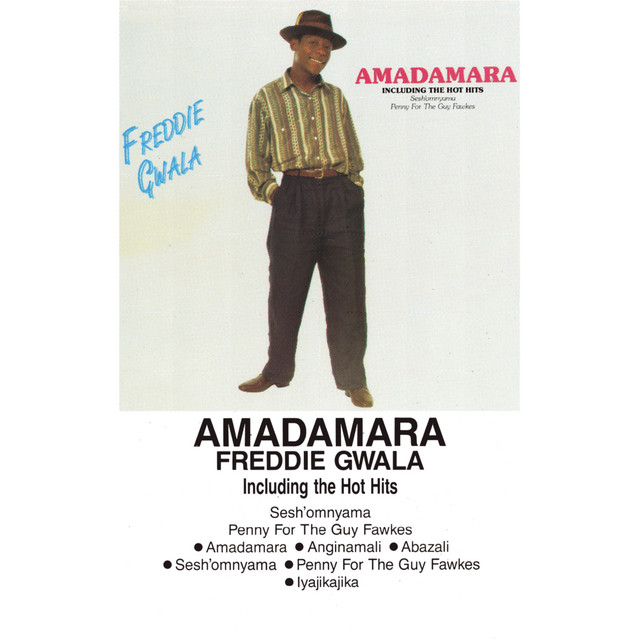
Freddy Gwala

Apollo Ntabanyane

Machesa Traditional Group
Holy Cross Choir

Soul Brothers

Mechanic Manyeruke and The Puritants
Khethani
Ihhashi Elimhlophe
Tau Ea Matsekha

Evias Bhebhe

ANC Comrades
Untshebe

IZIGI ZENHLOKOMO KAJEHOVA

INTENGALALI


Lazarus Kgagudi