Genre
african gospel
Top African gospel Artists
Showing 25 of 1,912 artists
















About African gospel
African gospel is a vibrant family of music that folds the warmth of Christian devotion into the pulse of the continent’s rhythms. It blends melodic call-and-response, polyrhythmic drumming, sung prayers, and improvisational vocal lines with traditional African instruments—talking drums, djembe, congas, shekere, buzzing guitars—so that worship can feel communal and spontaneous. It is not a single sound but a spectrum that varies from region to region while sharing a common aim: to exalt, comfort, and mobilize communities through song. For listeners, it offers a doorway into how faith, ritual, and popular music coexist on a continent famous for rhythm.
Origins and evolution trace a path from 19th-century missions to a fully developed modern genre. Christian worship in Africa began long before, but African gospel as a popular style crystallized in the mid-20th century. In city churches from Lagos to Accra, choirs learned Western gospel repertoire yet quickly infused it with local languages, idioms, and grooves built for dancing as well as praying. By the 1960s through the 1980s, recording studios, radio programs, and touring ensembles turned church music into a professional art form. Pioneers such as Panam Percy Paul in Nigeria helped lay the groundwork, blending lush choral writing with urban tempos that could fill venues and transmit hope across borders.
Sound and language reflect the continent’s diversity. In Nigeria, Yoruba, Igbo, and English songs fuse highlife-influenced guitar lines with horn sections; in Ghana, Akan praise chants mingle with highlife-inspired textures; in South Africa, robust choral tradition and gospel-blues inflect many tongues. The result is music that sounds equally at home in a church service, on a radio chart, or on a festival stage. Across the region, modern producers layer synths and trap-influenced beats with ancient rhythms, creating a bridge between tradition and contemporary worship aesthetics that resonates with young and old listeners alike.
Geography and reach broaden the picture. Nigeria and Ghana are anchor markets, generating a steady stream of releases and tours that shape the sound across West Africa and beyond. South Africa maintains a powerful choir-based lineage and a prolific wall of vocal talent. East Africa, including Kenya and Uganda, adds its own exuberant vocal styles and storytelling. The diaspora—Europe, North America, and beyond—receives African gospel as a spiritual and musical invitation, often accompanying churches, events, and social media campaigns that amplify the genre’s reach.
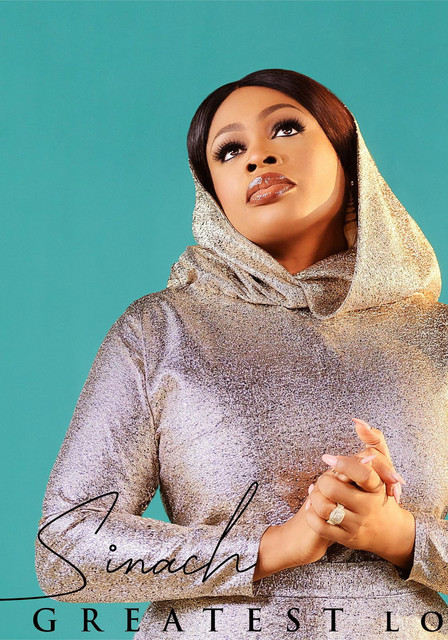
Ambassadors and notable artists illuminate the scene. Panam Percy Paul stands as a Nigerian pioneer whose compositions helped standardize a modern gospel idiom. Tope Alabi embodies Yoruba-language devotion through dramatic, narrative singing. Sinach has achieved global resonance with anthems like Way Maker, becoming a widely recognized face of Nigerian gospel worldwide. Nathaniel Bassey, with Imela and Onise Iyanu, is celebrated for devotional anthems that cross borders. In Ghana, Joe Mettle and the Daughters of Glorious Jesus, along with the Tagoe Sisters, carry high-profile gospel profiles. South Africa’s Rebecca Malope and Lebo Sekgobela are enduring icons, while Kenya’s Daddy Owen represents contemporary East African gospel. Together, these artists map the genre’s vitality and enduring appeal.
For enthusiasts, African gospel offers sonic richness, spiritual immersion, and cultural storytelling—an ever-evolving conversation between faith, community, and music. It’s a genre that invites you to feel the beat, hear the language, and witness how Africa’s musical imagination turns worship into an art form with global resonance.
Origins and evolution trace a path from 19th-century missions to a fully developed modern genre. Christian worship in Africa began long before, but African gospel as a popular style crystallized in the mid-20th century. In city churches from Lagos to Accra, choirs learned Western gospel repertoire yet quickly infused it with local languages, idioms, and grooves built for dancing as well as praying. By the 1960s through the 1980s, recording studios, radio programs, and touring ensembles turned church music into a professional art form. Pioneers such as Panam Percy Paul in Nigeria helped lay the groundwork, blending lush choral writing with urban tempos that could fill venues and transmit hope across borders.
Sound and language reflect the continent’s diversity. In Nigeria, Yoruba, Igbo, and English songs fuse highlife-influenced guitar lines with horn sections; in Ghana, Akan praise chants mingle with highlife-inspired textures; in South Africa, robust choral tradition and gospel-blues inflect many tongues. The result is music that sounds equally at home in a church service, on a radio chart, or on a festival stage. Across the region, modern producers layer synths and trap-influenced beats with ancient rhythms, creating a bridge between tradition and contemporary worship aesthetics that resonates with young and old listeners alike.
Geography and reach broaden the picture. Nigeria and Ghana are anchor markets, generating a steady stream of releases and tours that shape the sound across West Africa and beyond. South Africa maintains a powerful choir-based lineage and a prolific wall of vocal talent. East Africa, including Kenya and Uganda, adds its own exuberant vocal styles and storytelling. The diaspora—Europe, North America, and beyond—receives African gospel as a spiritual and musical invitation, often accompanying churches, events, and social media campaigns that amplify the genre’s reach.
Ambassadors and notable artists illuminate the scene. Panam Percy Paul stands as a Nigerian pioneer whose compositions helped standardize a modern gospel idiom. Tope Alabi embodies Yoruba-language devotion through dramatic, narrative singing. Sinach has achieved global resonance with anthems like Way Maker, becoming a widely recognized face of Nigerian gospel worldwide. Nathaniel Bassey, with Imela and Onise Iyanu, is celebrated for devotional anthems that cross borders. In Ghana, Joe Mettle and the Daughters of Glorious Jesus, along with the Tagoe Sisters, carry high-profile gospel profiles. South Africa’s Rebecca Malope and Lebo Sekgobela are enduring icons, while Kenya’s Daddy Owen represents contemporary East African gospel. Together, these artists map the genre’s vitality and enduring appeal.
For enthusiasts, African gospel offers sonic richness, spiritual immersion, and cultural storytelling—an ever-evolving conversation between faith, community, and music. It’s a genre that invites you to feel the beat, hear the language, and witness how Africa’s musical imagination turns worship into an art form with global resonance.