Data may be outdated
Last updated: 7 months ago — Click refresh to get the latest statistics.
A multifaceted musician, Niels Wilhelm Gade was probably the most important figure in nineteenth century Danish music, making his mark as a composer, conductor, organist, violinist, teacher, and administrator. He furthered the careers of many important musicians, among them <a href="spotify:artist:5ihY290YPGc3aY2xTyx7Gy">Edvard Grieg</a> and <a href="spotify:artist:73I7vbj7hzsw8rW4LUoxtz">Carl Nielsen</a>, and played a major role in bringing Scandinavian music to the world's notice.
Both of Gade's parents were musical; his father was a cabinetmaker who turned to making musical instruments. As his family was poor, Gade received no formal music schooling until he was 15. He studied violin with F.T. Wexschall, a violinist in the Royal Orchestra, and theory and composition with Andreas Peter Berggreen. Berggreen was also a noted folklorist and passed along to Gade an interest in Danish folk music and literature. Gade made his debut as a violinist in 1833, and the following year became a junior player in the Royal Orchestra.
His earliest compositions date from his teens. His official Op. 1, the overture Efterklange af Ossian (Echoes of Ossian, 1840), was much praised and won Gade a Copenhagen Musical Society prize. When his Symphony No. 1 in C minor, Op. 5 (1841-1842) was not accepted for performance in Denmark, Gade sent it to <a href="spotify:artist:6MF58APd3YV72Ln2eVg710">Felix Mendelssohn</a> in Leipzig, who loved the work and programmed it in 1843. That same year, Gade was given a government grant that allowed him to travel to Leipzig. He met <a href="spotify:artist:6MF58APd3YV72Ln2eVg710">Mendelssohn</a>, who engaged him as assistant conductor of the Gewandhaus Orchestra and as a teacher at the Leipzig Conservatory. Not surprisingly, many of Gade's compositions of the time, such as the Symphony No. 3 in A minor, Op. 15 (1847), strongly reflect <a href="spotify:artist:6MF58APd3YV72Ln2eVg710">Mendelssohn</a>'s influence. After <a href="spotify:artist:6MF58APd3YV72Ln2eVg710">Mendelssohn</a>'s death in 1847, Gade became principal conductor of the Gewandhaus, but when war broke out between Prussia and Denmark in 1848, Gade returned to Denmark.
Gade was always very much engaged in Copenhagen's musical life: he conducted concerts, played the organ in churches, and provided music for ceremonial occasions. He also founded an orchestra and choir that in later years gave many significant performances, including the premieres of many of Gade's own compositions. In 1852 he married Emma Sophie Hartmann, the daughter of composer J.P.E. Hartmann, and composed two works for her: the Spring Fantasy, Op. 23 for voices, piano and orchestra; and as a wedding present, the Symphony No. 5 in D minor, Op. 25. She died just a few years later, however, and Gade remarried in 1857. In 1866, he became the director of the new Copenhagen Academy of Music, where for many years he taught composition and music history; among his students was <a href="spotify:artist:73I7vbj7hzsw8rW4LUoxtz">Carl Nielsen</a>. His teaching and administrative schedules allowed him to compose only during the summer months.
Gade specialized in cantatas (or as he sometimes called them, "Koncertstykke") for soloists, chorus and orchestra, many taking their themes from Danish folklore. Perhaps the most popular of these is Elverskud, Op. 30 (The Elf-King's Daughter, 1853). His cantata Psyche, Op. 60 (1881-1882), was written for a Birmingham music festival; by that time Gade was known all over Europe. He ultimately produced eight symphonies, many chamber works and cantatas, and a variety of shorter character pieces and songs.
Both of Gade's parents were musical; his father was a cabinetmaker who turned to making musical instruments. As his family was poor, Gade received no formal music schooling until he was 15. He studied violin with F.T. Wexschall, a violinist in the Royal Orchestra, and theory and composition with Andreas Peter Berggreen. Berggreen was also a noted folklorist and passed along to Gade an interest in Danish folk music and literature. Gade made his debut as a violinist in 1833, and the following year became a junior player in the Royal Orchestra.
His earliest compositions date from his teens. His official Op. 1, the overture Efterklange af Ossian (Echoes of Ossian, 1840), was much praised and won Gade a Copenhagen Musical Society prize. When his Symphony No. 1 in C minor, Op. 5 (1841-1842) was not accepted for performance in Denmark, Gade sent it to <a href="spotify:artist:6MF58APd3YV72Ln2eVg710">Felix Mendelssohn</a> in Leipzig, who loved the work and programmed it in 1843. That same year, Gade was given a government grant that allowed him to travel to Leipzig. He met <a href="spotify:artist:6MF58APd3YV72Ln2eVg710">Mendelssohn</a>, who engaged him as assistant conductor of the Gewandhaus Orchestra and as a teacher at the Leipzig Conservatory. Not surprisingly, many of Gade's compositions of the time, such as the Symphony No. 3 in A minor, Op. 15 (1847), strongly reflect <a href="spotify:artist:6MF58APd3YV72Ln2eVg710">Mendelssohn</a>'s influence. After <a href="spotify:artist:6MF58APd3YV72Ln2eVg710">Mendelssohn</a>'s death in 1847, Gade became principal conductor of the Gewandhaus, but when war broke out between Prussia and Denmark in 1848, Gade returned to Denmark.
Gade was always very much engaged in Copenhagen's musical life: he conducted concerts, played the organ in churches, and provided music for ceremonial occasions. He also founded an orchestra and choir that in later years gave many significant performances, including the premieres of many of Gade's own compositions. In 1852 he married Emma Sophie Hartmann, the daughter of composer J.P.E. Hartmann, and composed two works for her: the Spring Fantasy, Op. 23 for voices, piano and orchestra; and as a wedding present, the Symphony No. 5 in D minor, Op. 25. She died just a few years later, however, and Gade remarried in 1857. In 1866, he became the director of the new Copenhagen Academy of Music, where for many years he taught composition and music history; among his students was <a href="spotify:artist:73I7vbj7hzsw8rW4LUoxtz">Carl Nielsen</a>. His teaching and administrative schedules allowed him to compose only during the summer months.
Gade specialized in cantatas (or as he sometimes called them, "Koncertstykke") for soloists, chorus and orchestra, many taking their themes from Danish folklore. Perhaps the most popular of these is Elverskud, Op. 30 (The Elf-King's Daughter, 1853). His cantata Psyche, Op. 60 (1881-1882), was written for a Birmingham music festival; by that time Gade was known all over Europe. He ultimately produced eight symphonies, many chamber works and cantatas, and a variety of shorter character pieces and songs.
Monthly Listeners
6,448
Monthly Listeners History
Track the evolution of monthly listeners over the last 28 days.
Followers
2,439
Followers History
Track the evolution of followers over the last 28 days.
Top Cities
526 listeners
201 listeners
128 listeners
89 listeners
89 listeners

Related Artists

Agathe Backer Grøndahl
Elfrida Andrée

Niels Wilhelm Gade

Tamas Veto
August Söderman

Robert Fuchs
Harald Sæverud
Anton Diabelli

Erkki Melartin
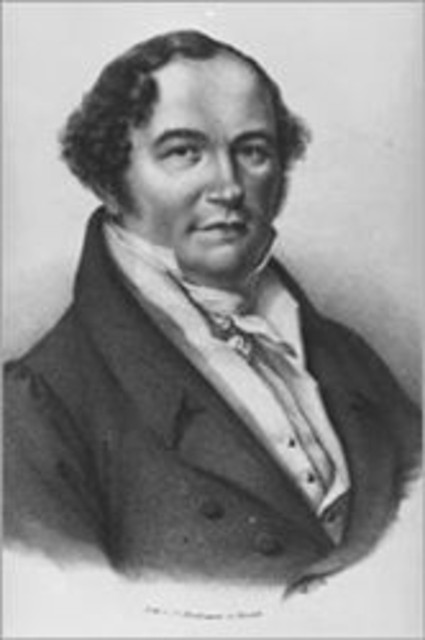
Conradin Kreutzer

Ferenc Farkas
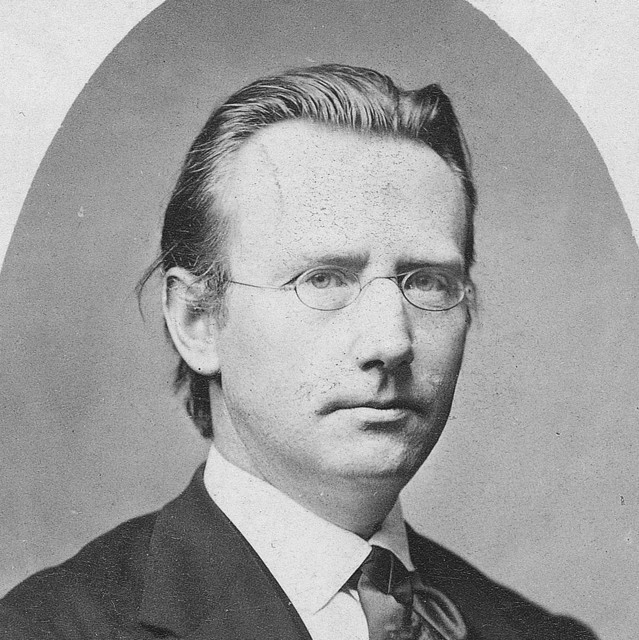
Peter Arnold Heise
Ludvig Norman

Wilhelm Berger
Marco Enrico Bossi

Magnus Svensson
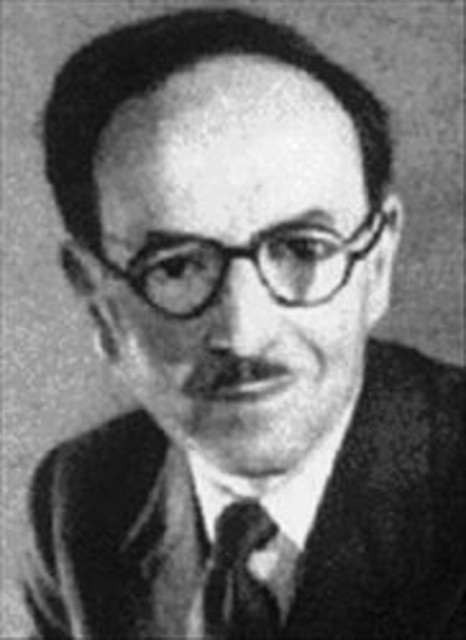
Mátyás Seiber

Emil Sjögren
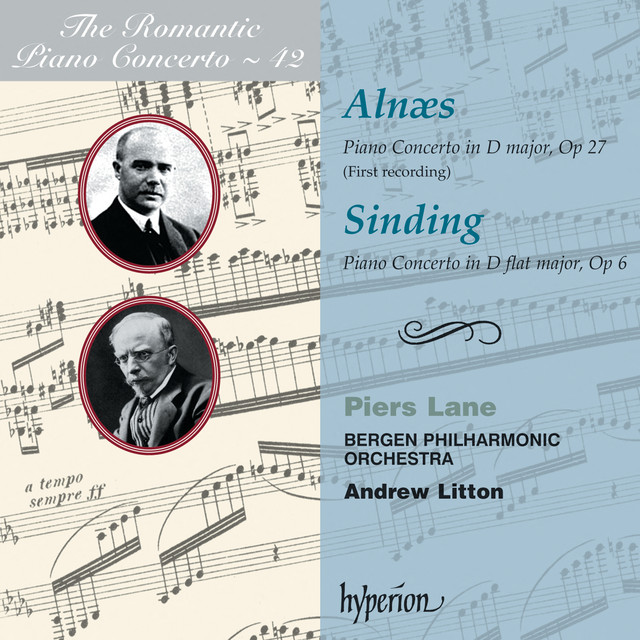
Eyvind Alnæs

Borealis String Quartet
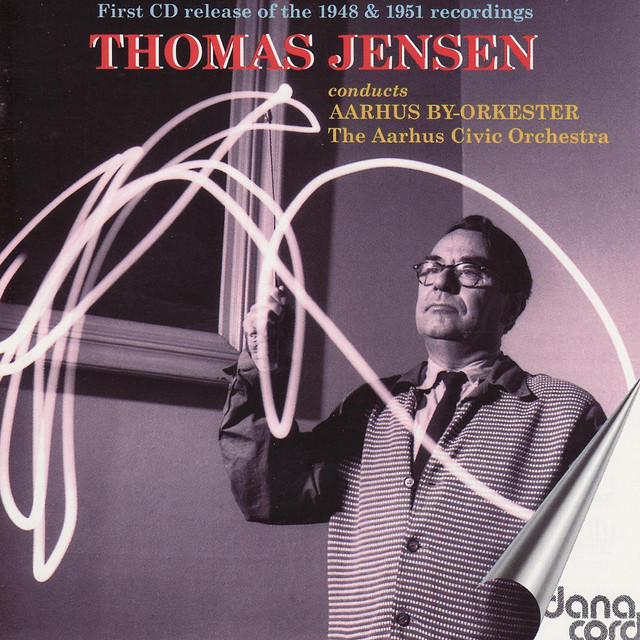
Thomas Jensen
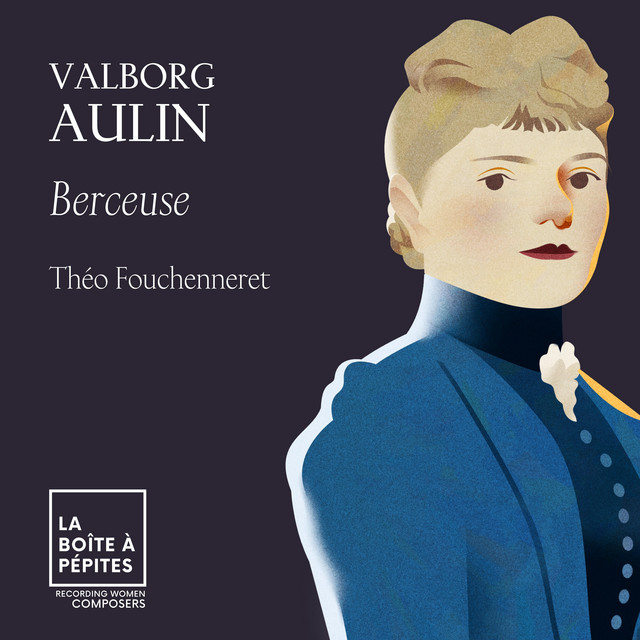
Valborg Aulin
Maya Magub

Bellman Concerto Ensemble

Tor Aulin
Andreas Hallén
ORF Radiosymphonieorchester

Fini Henriques
Leó Weiner


Wilhelm Ohmen

C. Nielsen
Ole Olsen
Wyneke Jordans

Francesco Paolo Frontini