Data may be outdated
Last updated: 1 month ago — Click refresh to get the latest statistics.
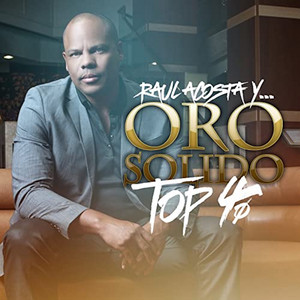
Showing interest in music at an early age, Acosta's parents encouraged the youngster to pursue music (his father was a percussionist) -- leading to a spot in the children's group, los Nictos Del Rey, which included several TV appearances and competitions. After his family relocated to New
Jersey when Acosta was nine, Acosta pursued music further by attending the musical academy Kennedy's Musical World, where he studied with Professor Kennedy Cortinas and learned the ins and outs of sound engineering. From there, Acosta played bass in the Caribe Band, before forming the Latin Kings, the latter of which would soon transform into Oro Solido.
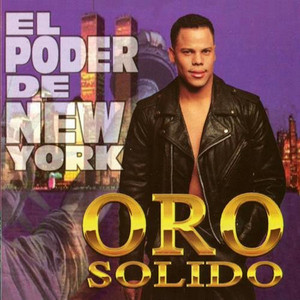
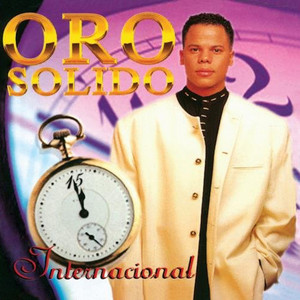
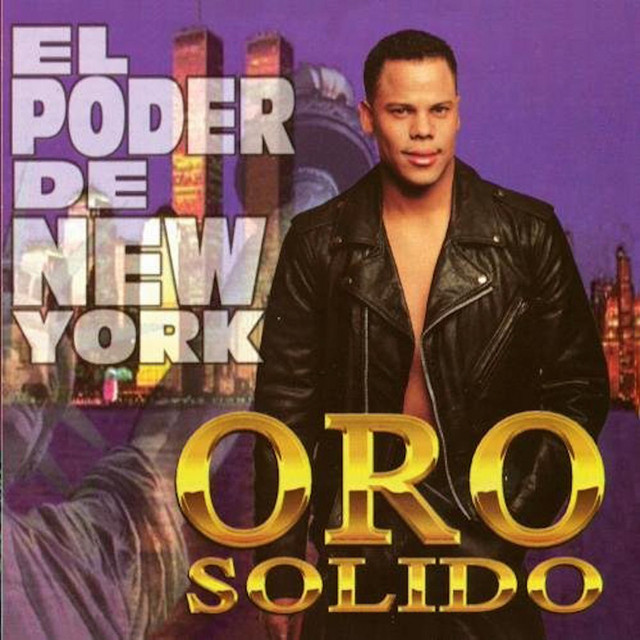
Comprised entirely of Puerto Rican and Dominican musicians, Oro Solido was officially formed in March of 1994. The same year, the group issued their self-titled debut, which became an immediate hit with the merengue crowd due to the smash single "Esta Cache." Further releases soon followed, including 1995's Y Sigue el Cache and 1996's Internacional, the latter of which spawned such dance hits as "La Tanga," "El Vacilón," and "Las Mujeres Quieren Machos." Without skipping a beat, Oro Solido continued on at their breakneck pace of issuing a new album per year, as El Poder de New York appeared in 1997, and El Presidente del Merengue in 1998. The late '90s saw a Latin music craze sweep the U.S., and Oro Solido got a boost when movie director John Singleton included Oro Solido's hit "La Paleta" in his remake of the movie Shaft.
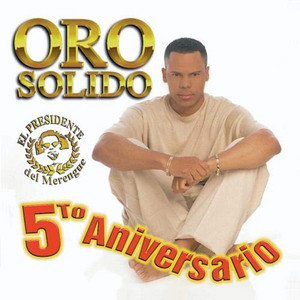
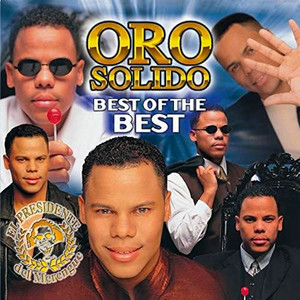
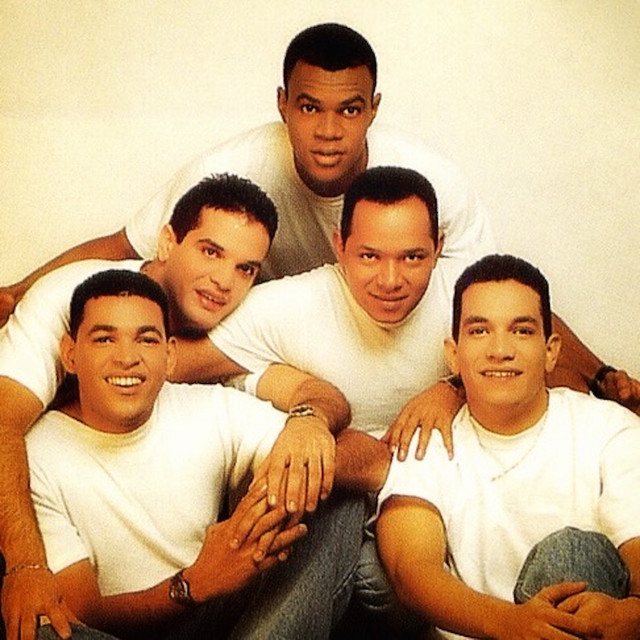
Taking a brief break from Oro Solido in the late '90s, Acosta formed his own record label, 24K Records, and produced the debut by his brother Miguel Acosta, Mambo Nuevo. But by the dawn of the 21st century, Oro Solido was ready to roll once more, as the band issued their first all-new release in two years, 2000s Party Time 2001, Part 1. Sony signed the group to their Sony Discos imprint shortly thereafter, issuing Aqui Si Que Hay in 2001 (judging by its cover photo, it appears as though Oro Solido is attempting to hone in on the lucrative boy band market). Oro Solido has also been the subject of five compilation releases in only a three-year span, as such collections as 5th Aniversario, Frente a Frente: Oro Solido Vs. Jossie Esteban y La Patrull, Best of the Best, Simply the Best: Grandes Exitos, and Todo Exitos de Oro Solido were issued between 1999 and 2002. ~ Greg Prato, Rovi
Monthly Listeners
2.0 million
Monthly Listeners History
Track the evolution of monthly listeners over the last 28 days.
Followers
264,731
Followers History
Track the evolution of followers over the last 28 days.
Total Streams
427.5 million
Total Streams History
Track the evolution of total streams over the last 28 days. This data is calculated from all tracks listed in the artist's discography.
Top Cities



Related Artists

La Banda Gorda


Grupo Climax
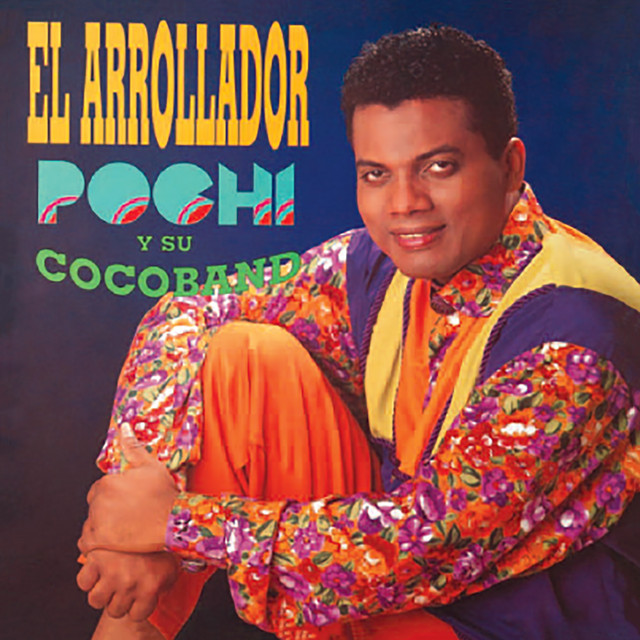
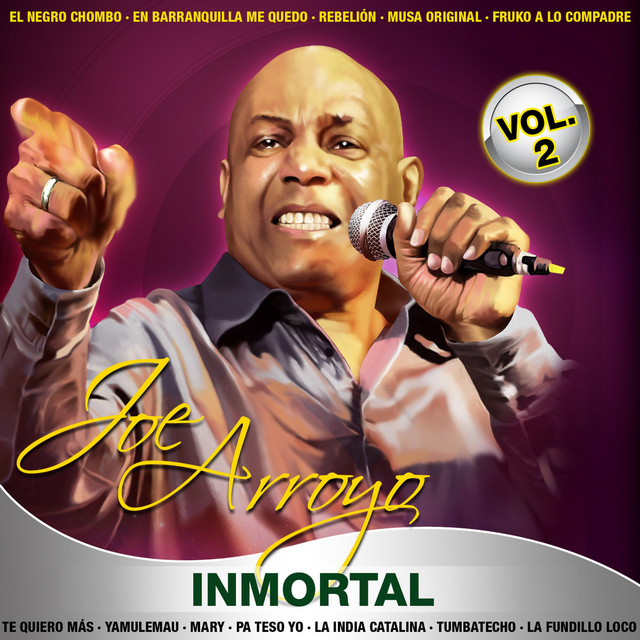

Limi-T 21
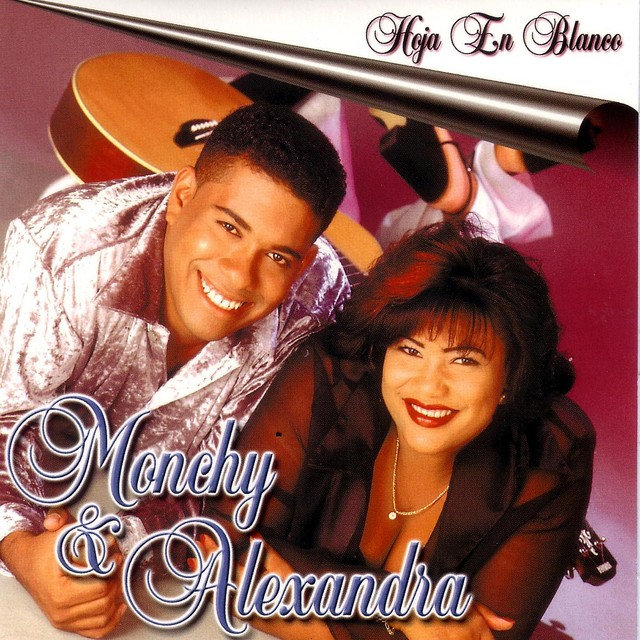

Los Reyes del Merengue



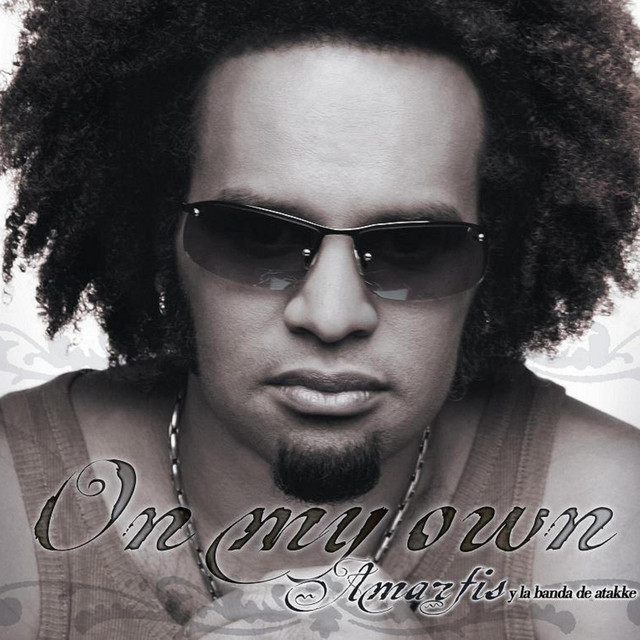
Amarfis y La Banda De Atakke