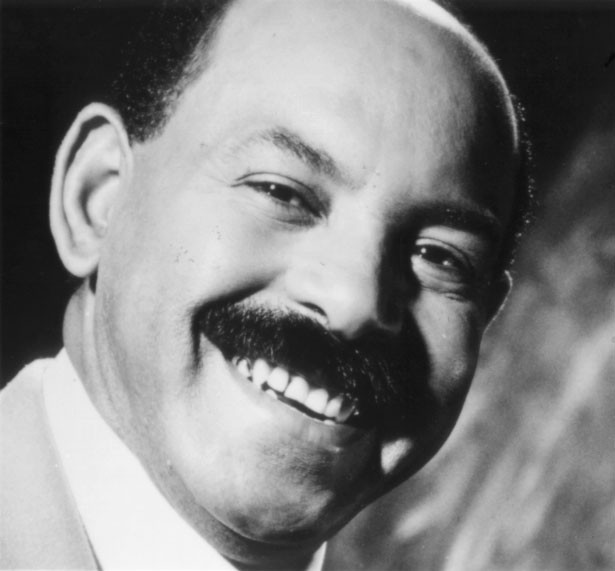
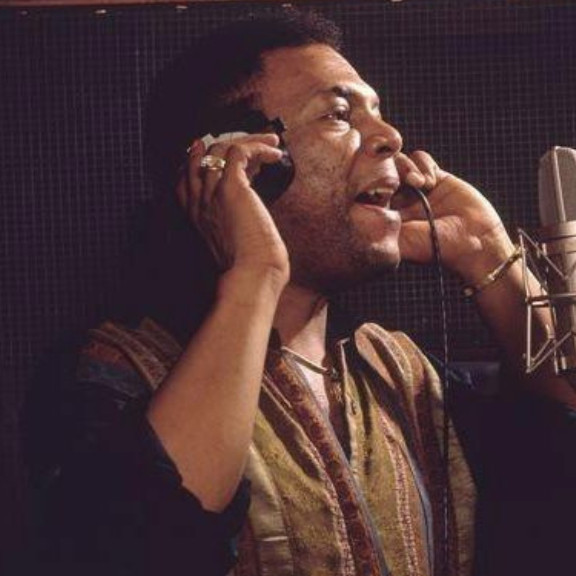
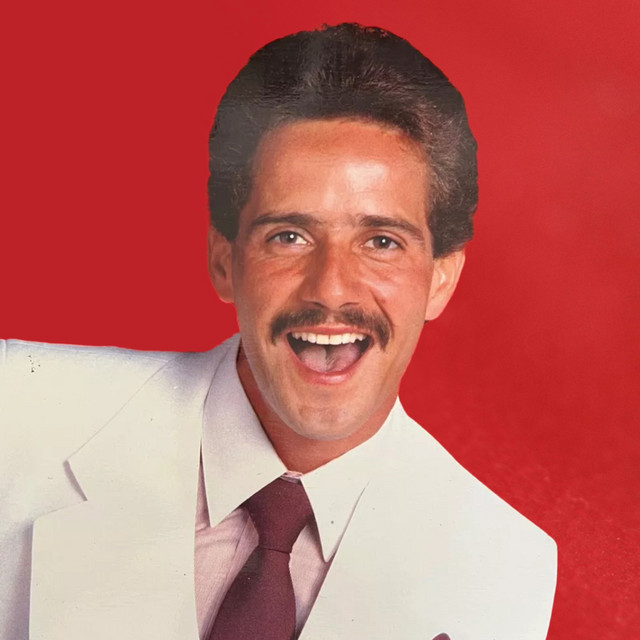
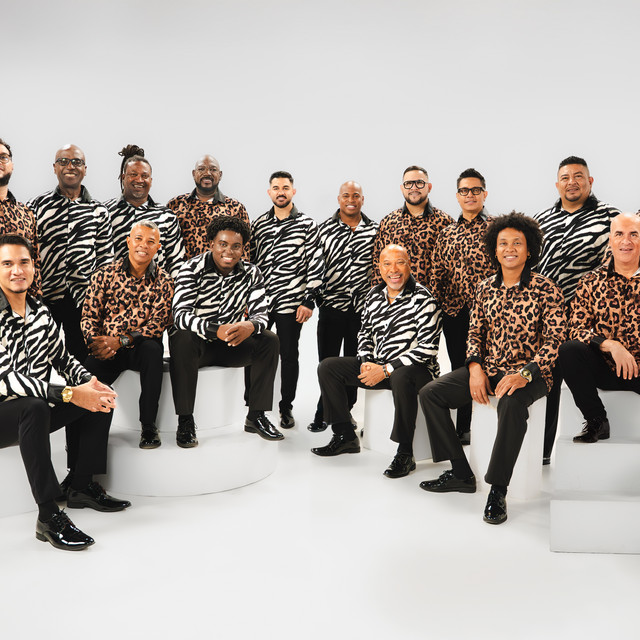
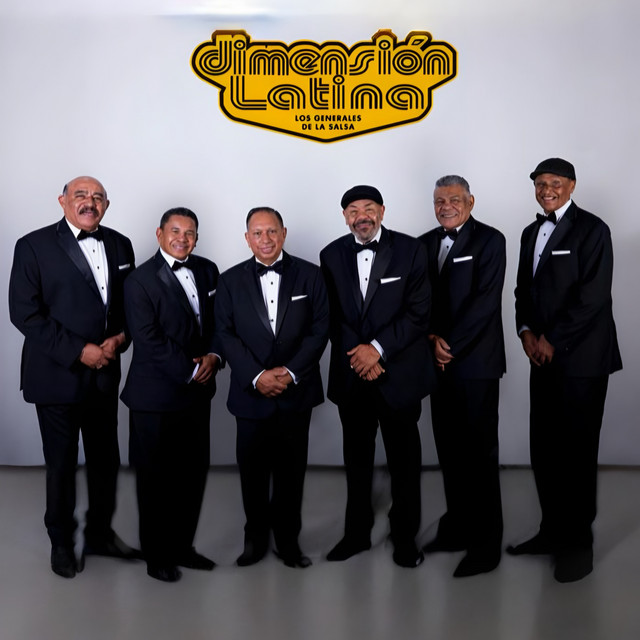
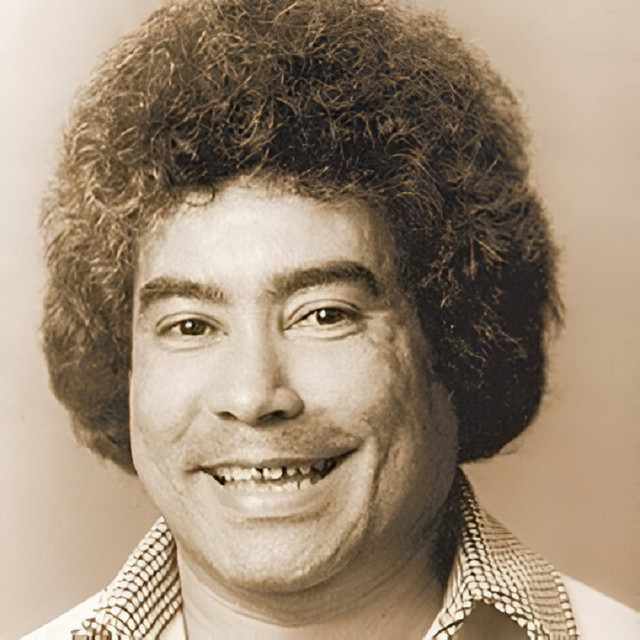
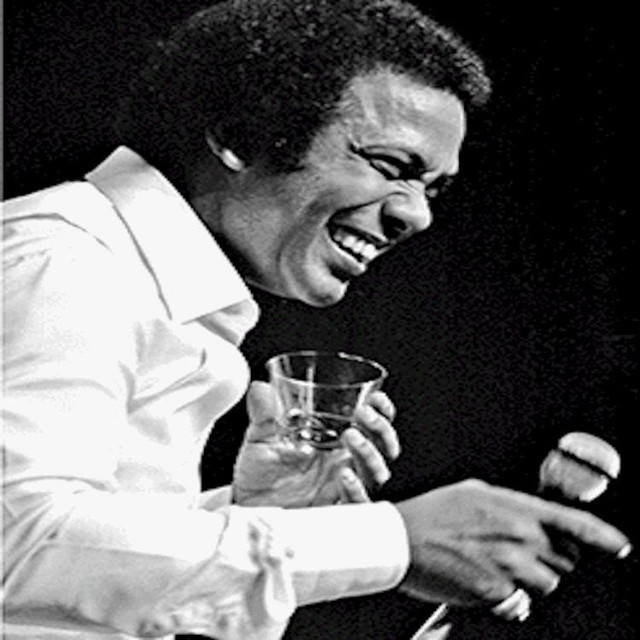
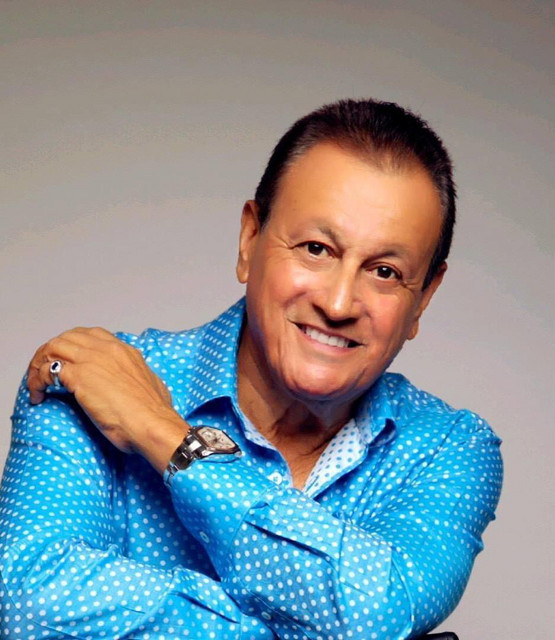
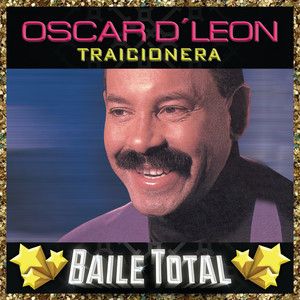
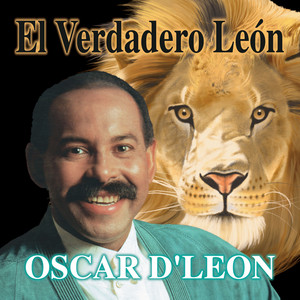
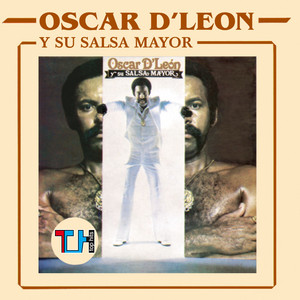
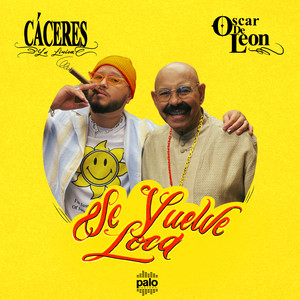
A skill at improvisation is combined with a highly textured vocal tone by Venezuela-born Oscar D'León. A top-ranked performer in his homeland, D'León has continued to solidify his following throughout the world. A joy for entertaining has been a constant thread throughout D'León's career. In a 1996 interview with the Chicago Tribune, D'León said, "My message is not about ecology or politics, but it's simply that people have a good time and remember me as someone who loves them." Born in the Caracas neighborhood of Etamin, D'León was influenced by Cuban musicians including <a href="spotify:artist:1Sp47peMTI9na8FTY4yHJw">Beny Moré</a> and la Sonora Mantacera and by New York-based Latin performers including <a href="spotify:artist:2VviFtXYreO6Zn9n8Ibk6C">Eddie Palmieri</a> and <a href="spotify:artist:7x5Slu7yTE5icZjNsc3OzW">Willie Colón</a>. He taught himself to play bass by listening and playing along to records. "I am not a maestro like they say," he explained. "I try to make my instrument sound coherent." D'León balanced his early career as a vocalist with full-time employment as a taxi driver and factory worker. Forming a band, <a href="spotify:artist:2ixSzFmACsZSsx40fXTNYk">la Dimensión Latina</a>, in 1973, he recorded his first hit, "Pensando en Ti," shortly afterward. Three years later, he formed a second group, <a href="spotify:artist:38PQCAldr8sqUSnkzRSzHi">la Salsa Mayor</a>. D'León, who's known affectionately as "El Leon de la Salsa" (The Lion of Salsa), has toured with very large groups. In addition to touring and recording with a 19-piece band featuring five saxophones, four trombones, and four trumpets, D'León toured with a 15-piece group in 1996. And after a slew of releases in the late '90s, D'León returned in the new millennium with Doble Play. ~ Craig Harris, Rovi