Data may be outdated
Last updated: 7 months ago — Click refresh to get the latest statistics.
Otto Nicolai has come to be viewed by many as a one-work composer. The work that comes to mind, his opera, Die lustigen Weiber von Windsor (The Merry Wives of Windsor), is rightly regarded as his greatest. Yet others among his works are worth hearing, and he surely would have produced more had his life not ended so prematurely. Nicolai was artistically bound by a certain perfectionism and caution that hampered his productivity. He was offered the libretto to Nabucco, for instance, and turned it down, instead choosing the now-unknown Il proscritto; <a href="spotify:artist:1JOQXgYdQV2yfrhewqx96o">Verdi</a> set Nabucco to music and scored his first great triumph. His self-critical views are well-documented in his various essays on aesthetics and in his diary entries. Nicolai is also remembered for his high performance standards and for having founded the <a href="spotify:artist:003f4bk13c6Q3gAUXv7dGJ">Vienna Philharmonic Orchestra</a>.
Nicolai was born in Königsberg (now Kaliningrad), and was raised by his father, a composer of lesser rank. The boy began showing talent early on, but became resentful of his father's attempts to benefit from making him a child prodigy. Young Nicolai made repeated failed attempts to run away from home in his teenage years. At 16, however, he lit out on his own as a traveling pianist and, after many difficulties, made his way to Berlin. There he took singing lessons at the Zum Grauen Kloster school and studied music with <a href="spotify:artist:7wQj9SdON7gAR6M2VjpBrw">Goethe</a>'s favorite, <a href="spotify:artist:3OQDR5VyyHPURZ2fyE8CDa">Zelter</a>.
In 1830, following two years further study at the Royal Institute for Church Music, he began teaching music and singing in concerts, but still struggled in poverty. He had already published his earliest compositions, including his Op. 4 choral work, Preussens Stimme and the Six Lieder, Op. 6. The following year he led a performance of his Symphony in C in Leipzig. Other works appeared as well, and his first concert in Berlin was a success. More stability came in 1833 when he accepted a post as organist at the Prussian embassy in Rome.
He became enamored of Italian culture and spoke of its great influence on him, not only in the realm of music but also in literature and painting. After returning to Vienna to serve as Kapellmeister at the Hoftheater for a year, he returned to Italy in 1838 and began working on his first operas. Enrico II, originally entitled Rosmonda d'Inghilterra (1839), and Il templario (1840) were successes at their premieres, though his subsequent Italian operas, much influenced by <a href="spotify:artist:6AphpMkKDU4I3Z6XaGu1UV">Bellini</a>, received lukewarm receptions.
Nicolai returned to Vienna in 1841 and became conductor at the Hofoper, initiating instrumental concerts and thus founding what became the <a href="spotify:artist:003f4bk13c6Q3gAUXv7dGJ">Vienna Philharmonic</a>. For several years he had been interested in the musical masterworks of the past, stretching all the way back to <a href="spotify:artist:0BS8IrFmvK1tXenMULjwem">Palestrina</a>, and he deserves some of the credit for the formation of classical music's enduring canon. German arrangements of his some of his early operas, such as Il proscritto, met with success in the mid-1840s. When he was unable to interest the Hofoper in producing his yet-unfinished The Merry Wives of Windsor, he resigned. After a lengthy period of illness, Nicolai traveled to Berlin in 1848 to accept a post as Kapellmeister at the Berlin Opera. That year he completed Merry Wives; it was premiered with success and has held the stage ever since as one of German opera's few comic gems. His success was short-lived, however -- he died on May 11, 1849, after suffering a stroke.
Nicolai was born in Königsberg (now Kaliningrad), and was raised by his father, a composer of lesser rank. The boy began showing talent early on, but became resentful of his father's attempts to benefit from making him a child prodigy. Young Nicolai made repeated failed attempts to run away from home in his teenage years. At 16, however, he lit out on his own as a traveling pianist and, after many difficulties, made his way to Berlin. There he took singing lessons at the Zum Grauen Kloster school and studied music with <a href="spotify:artist:7wQj9SdON7gAR6M2VjpBrw">Goethe</a>'s favorite, <a href="spotify:artist:3OQDR5VyyHPURZ2fyE8CDa">Zelter</a>.
In 1830, following two years further study at the Royal Institute for Church Music, he began teaching music and singing in concerts, but still struggled in poverty. He had already published his earliest compositions, including his Op. 4 choral work, Preussens Stimme and the Six Lieder, Op. 6. The following year he led a performance of his Symphony in C in Leipzig. Other works appeared as well, and his first concert in Berlin was a success. More stability came in 1833 when he accepted a post as organist at the Prussian embassy in Rome.
He became enamored of Italian culture and spoke of its great influence on him, not only in the realm of music but also in literature and painting. After returning to Vienna to serve as Kapellmeister at the Hoftheater for a year, he returned to Italy in 1838 and began working on his first operas. Enrico II, originally entitled Rosmonda d'Inghilterra (1839), and Il templario (1840) were successes at their premieres, though his subsequent Italian operas, much influenced by <a href="spotify:artist:6AphpMkKDU4I3Z6XaGu1UV">Bellini</a>, received lukewarm receptions.
Nicolai returned to Vienna in 1841 and became conductor at the Hofoper, initiating instrumental concerts and thus founding what became the <a href="spotify:artist:003f4bk13c6Q3gAUXv7dGJ">Vienna Philharmonic</a>. For several years he had been interested in the musical masterworks of the past, stretching all the way back to <a href="spotify:artist:0BS8IrFmvK1tXenMULjwem">Palestrina</a>, and he deserves some of the credit for the formation of classical music's enduring canon. German arrangements of his some of his early operas, such as Il proscritto, met with success in the mid-1840s. When he was unable to interest the Hofoper in producing his yet-unfinished The Merry Wives of Windsor, he resigned. After a lengthy period of illness, Nicolai traveled to Berlin in 1848 to accept a post as Kapellmeister at the Berlin Opera. That year he completed Merry Wives; it was premiered with success and has held the stage ever since as one of German opera's few comic gems. His success was short-lived, however -- he died on May 11, 1849, after suffering a stroke.
Monthly Listeners
10,557
Monthly Listeners History
Track the evolution of monthly listeners over the last 28 days.
Followers
1,354
Followers History
Track the evolution of followers over the last 28 days.
Top Cities



Related Artists
Robert Heger


Marjan Rus
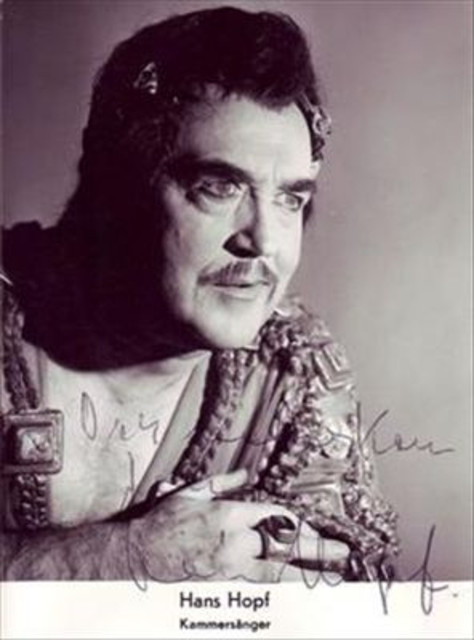
Hans Hopf

Otto Ackermann
Sieglinde Wagner

Donato Renzetti


Heinrich Marschner

Anhaltische Philharmonie Dessau
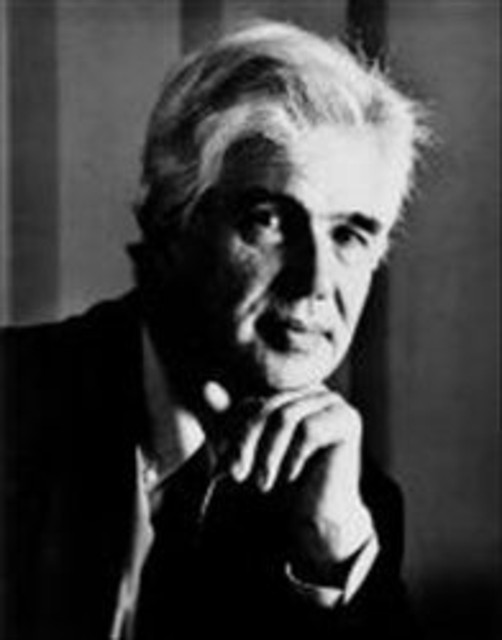
Horst Stein
Heinz Wallberg
Stuttgart Philharmonic Orchestra

Netania Davrath

Gabriela Beňačková

Sixten Ehrling
Philharmonisches Staatsorchester Hamburg
Maria Schober

Willem Mengelberg