Data may be outdated
Last updated: 9 months ago — Click refresh to get the latest statistics.
Bellamy was one of the English folk revival's greatest voices. He was born in Norfolk in 1944. In the early days of 1965 he moved to London, where he met up with <a href="spotify:artist:6SeIrxzRIq5E3ybO6rvmMU">Royston Wood</a> and <a href="spotify:artist:3FGSFBXLnRLT4icqnznGQV">Heather Wood</a>, and the three got a regular gig at a club whose name they would eventually adopt -- <a href="spotify:artist:7KqyVGm8kF42jNJmcTnLir">The Young Tradition</a>. In flamboyant costumes, with witty presentation, and with the startling power of Bellamy's voice backed by his companions, they entertained a lot of audiences, recorded a pair of albums, gained a reputation for excellence, and were still unable to make a living as performers. So, in 1969, they broke up. As Bellamy would later point out, they became important and influential, even legendary, after they had ceased to exist.
In 1970 the idea first struck Bellamy to set the poems of Kipling to music. This fascination with Kipling continued until Bellamy's death, resulting in no fewer than five albums of Kipling songs. Also in the '70s, Bellamy composed The Transports, a ballad opera in the mold of <a href="spotify:artist:3tetInyzmPXATzLBTzl125">Ewan MacColl's</a> work, and recruited such people as <a href="spotify:artist:4jfwVcXoNnfnU8xQBlSWn0">Martin Carthy</a>, <a href="spotify:artist:5TABL8E2QU96gOZSS82bU3">Nic Jones</a>, <a href="spotify:artist:7CpkM7oTfONJAB2XvPRd3w">A. L. Lloyd</a>, and <a href="spotify:artist:22eMBt55I5aO9IdxVdxGaC">Cyril Tawney</a> to record it. It was released as an album in 1977 and also had several stage runs in England. During the '70s and '80s, Bellamy was trying to find an audience wider than the traditional folk crowd, so he cut back on the traditional songs in his shows, turning them into multimedia historical presentations. But traditional singing was in Bellamy's blood, and the beginning of the '90s found him back to performing mostly a traditional repertoire once again, with the exuberant enthusiasm he has always been known for. Bellamy felt there was a lack of appreciation for the music to which he had devoted his life. More than once he has commented on how countless performers have ditched traditional music for other forms of "folk" music. Some, he felt, did it for money, something he no doubt understood but regretted. More often, though, he expressed regret that interest in traditional song was simply on the wane, not only with audiences, but with performers as well. He always acknowledged that his own unwillingness or perhaps his inability to compromise had led to the demise of <a href="spotify:artist:7KqyVGm8kF42jNJmcTnLir">The Young Tradition</a>. Perhaps, some 22 years later, it helped lead to his own; in September 1991, Peter Bellamy took his own life. All Peter Bellamy recordings are recommended. ~ Steve Winick, Rovi
In 1970 the idea first struck Bellamy to set the poems of Kipling to music. This fascination with Kipling continued until Bellamy's death, resulting in no fewer than five albums of Kipling songs. Also in the '70s, Bellamy composed The Transports, a ballad opera in the mold of <a href="spotify:artist:3tetInyzmPXATzLBTzl125">Ewan MacColl's</a> work, and recruited such people as <a href="spotify:artist:4jfwVcXoNnfnU8xQBlSWn0">Martin Carthy</a>, <a href="spotify:artist:5TABL8E2QU96gOZSS82bU3">Nic Jones</a>, <a href="spotify:artist:7CpkM7oTfONJAB2XvPRd3w">A. L. Lloyd</a>, and <a href="spotify:artist:22eMBt55I5aO9IdxVdxGaC">Cyril Tawney</a> to record it. It was released as an album in 1977 and also had several stage runs in England. During the '70s and '80s, Bellamy was trying to find an audience wider than the traditional folk crowd, so he cut back on the traditional songs in his shows, turning them into multimedia historical presentations. But traditional singing was in Bellamy's blood, and the beginning of the '90s found him back to performing mostly a traditional repertoire once again, with the exuberant enthusiasm he has always been known for. Bellamy felt there was a lack of appreciation for the music to which he had devoted his life. More than once he has commented on how countless performers have ditched traditional music for other forms of "folk" music. Some, he felt, did it for money, something he no doubt understood but regretted. More often, though, he expressed regret that interest in traditional song was simply on the wane, not only with audiences, but with performers as well. He always acknowledged that his own unwillingness or perhaps his inability to compromise had led to the demise of <a href="spotify:artist:7KqyVGm8kF42jNJmcTnLir">The Young Tradition</a>. Perhaps, some 22 years later, it helped lead to his own; in September 1991, Peter Bellamy took his own life. All Peter Bellamy recordings are recommended. ~ Steve Winick, Rovi
Monthly Listeners
4,760
Monthly Listeners History
Track the evolution of monthly listeners over the last 28 days.
Followers
3,112
Followers History
Track the evolution of followers over the last 28 days.
Top Cities
400 listeners

97 listeners
72 listeners

64 listeners
62 listeners
Related Artists



Tim Hart & Maddy Prior


Frank Harte
Benny Graham


Cyril Tawney



Louis Killen

The Etchingham Steam Band
John Roberts

Ian Marshall

Beggars Velvet

Folly Bridge

The Oldham Tinkers

Vera Aspey

Dominic Behan
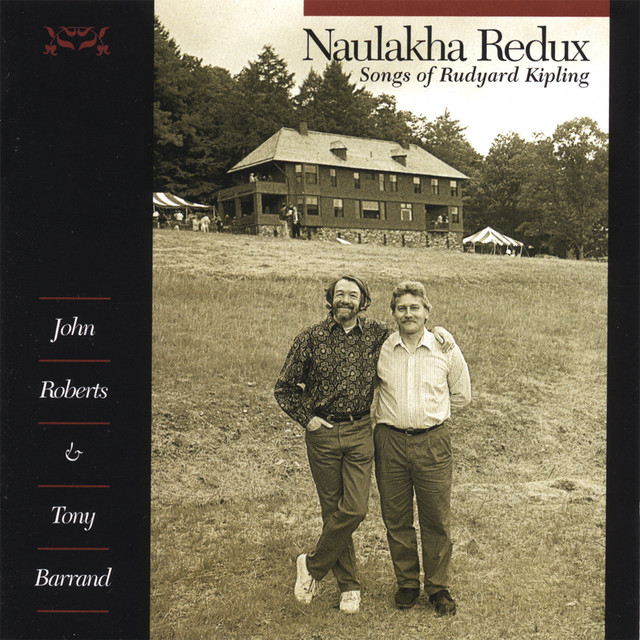
John Roberts & Tony Barrand
Gary Aspey
Rod Paterson

Janet Russell
Bob Fox
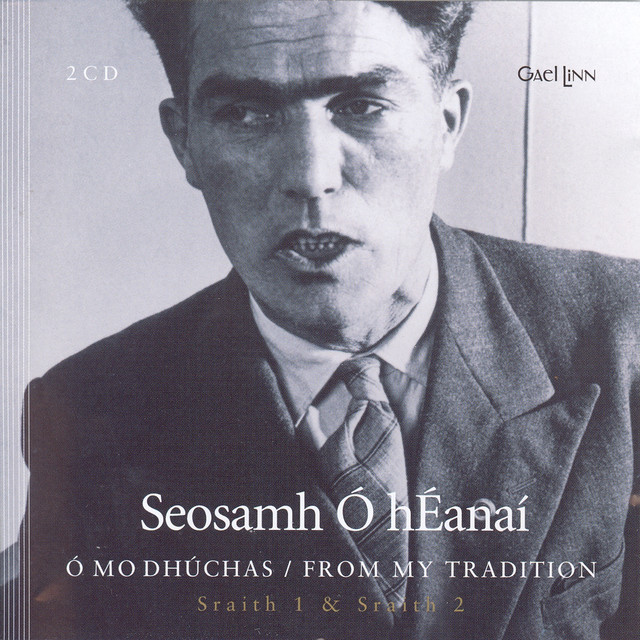

Brass Monkey
Jeff Warner
Jean Redpath

Adam McNaughtan


Alistair Hulett and Dave Swarbrick

Len Graham

Harry Boardman

Tom Kines