Data may be outdated
Last updated: 9 months ago — Click refresh to get the latest statistics.
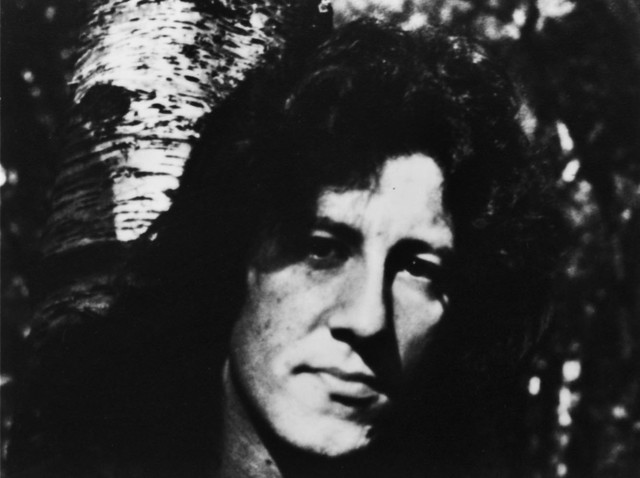
Peter Green was regarded by some fans as the greatest white blues guitarist ever, <a href="spotify:artist:6PAt558ZEZl0DmdXlnjMgD">Eric Clapton</a> notwithstanding. Born Peter Greenbaum but calling himself Peter Green by the age of 15, he grew up in London's working-class East End. Green's early musical influences were <a href="spotify:artist:3Bet1o6dTKJG8o4HcrbI37">Hank Marvin</a> of <a href="spotify:artist:03hfAxVdAWj7kxDnSG0fLD">the Shadows</a>, <a href="spotify:artist:4y6J8jwRAwO4dssiSmN91R">Muddy Waters</a>, <a href="spotify:artist:5xLSa7l4IV1gsQfhAMvl0U">B.B. King</a>, <a href="spotify:artist:5dCuFngSPyOOnTAvrC7v2s">Freddie King</a>, and traditional Jewish music. He originally played bass before being invited in 1966 by keyboardist <a href="spotify:artist:6cVKS10gjquJQsSUT9FYiG">Peter Bardens</a> to play lead in the Peter B's, whose drummer was a lanky chap named <a href="spotify:artist:7bRRWmUqERkyOVSSU6MPFu">Mick Fleetwood</a>. The 19-year-old Green was with <a href="spotify:artist:6cVKS10gjquJQsSUT9FYiG">Bardens</a> just three months before joining <a href="spotify:artist:5s4z3mRAE7nxE3jjft8J3h">John Mayall</a>'s <a href="spotify:artist:2ScuQMRWThcifBRIvNDFDC">Bluesbreakers</a>, whose rapidly shifting personnel included bassist <a href="spotify:artist:3IuIXQGupZ89qG162Y5sZ6">John McVie</a> and drummer <a href="spotify:artist:133bGgO12lrbEtxRewzSeb">Aynsley Dunbar</a>. A keen fan of <a href="spotify:artist:6PAt558ZEZl0DmdXlnjMgD">Clapton</a>, Green badgered <a href="spotify:artist:2lLsOukzlMA39z4DjjeCWP">Mayall</a> to give him a chance when the <a href="spotify:artist:2ScuQMRWThcifBRIvNDFDC">Bluesbreakers</a> guitarist split for an indefinite vacation in Greece. Green sounded great and, as <a href="spotify:artist:2lLsOukzlMA39z4DjjeCWP">Mayall</a> recalls, was not amused when <a href="spotify:artist:6PAt558ZEZl0DmdXlnjMgD">Clapton</a> returned after a handful of gigs, and Green was out.
When <a href="spotify:artist:6PAt558ZEZl0DmdXlnjMgD">Clapton</a> left the band for good six months later to form <a href="spotify:artist:74oJ4qxwOZvX6oSsu1DGnw">Cream</a>, <a href="spotify:artist:2lLsOukzlMA39z4DjjeCWP">Mayall</a> cajoled Green back. Fans were openly hostile because Green was not <a href="spotify:artist:6PAt558ZEZl0DmdXlnjMgD">Clapton</a>, although they came to appreciate <a href="spotify:artist:6PAt558ZEZl0DmdXlnjMgD">Clapton</a>'s replacement. Producer <a href="spotify:artist:3LFDPNxxv2lWmfdwgABupl">Mike Vernon</a> was aghast when <a href="spotify:artist:2ScuQMRWThcifBRIvNDFDC">the Bluesbreakers</a> showed up without <a href="spotify:artist:6PAt558ZEZl0DmdXlnjMgD">Clapton</a> to record the album A Hard Road in late 1966, but was won over by Green's playing. On many tracks you'd be hard-pressed to tell it wasn't <a href="spotify:artist:6PAt558ZEZl0DmdXlnjMgD">Clapton</a> playing. With an eerie Green instrumental called "The Supernatural," he demonstrated the beginning of his trademark fluid, haunting style so reminiscent of <a href="spotify:artist:5xLSa7l4IV1gsQfhAMvl0U">B.B. King</a>.
When Green left <a href="spotify:artist:2lLsOukzlMA39z4DjjeCWP">Mayall</a> in 1967, he took <a href="spotify:artist:6RCsx4p5smZHYz2P5HLcL2">McVie</a> and <a href="spotify:artist:7bRRWmUqERkyOVSSU6MPFu">Fleetwood</a> with him to found <a href="spotify:artist:08GQAI4eElDnROBrJRGE0X">Peter Green's Fleetwood Mac</a>. <a href="spotify:artist:3GrqVz7V3Hd8gvfvUcR9wk">Jeremy Spencer</a> and Danny Kirwan joined shortly afterward, giving <a href="spotify:artist:08GQAI4eElDnROBrJRGE0X">Fleetwood Mac</a> an unusual three-guitar front line. Green was at his peak for the albums Mr. Wonderful, English Rose, Then Play On, and a live Boston Tea Party recording. His instrumental "Albatross" was the band's first British number one single and "Black Magic Woman" was later a huge hit for <a href="spotify:artist:7yGQgQiiKpg2k00JXf8hJk">Carlos Santana</a>. But Green had been experimenting with acid and his behavior became increasingly irrational, especially after he disappeared for three days of rampant drug use in Munich. He became very religious, appearing on-stage wearing crucifixes and flowing robes. His bandmates resisted his suggestion to donate most of their money to charity, and he left in mid-1970 after writing a harrowing biographical tune called "The Green Manalishi."
After a bitter, rambling solo album called The End of the Game, Green saddened fans when he hung up his guitar, although helped <a href="spotify:artist:08GQAI4eElDnROBrJRGE0X">the Mac</a> complete a tour when <a href="spotify:artist:3GrqVz7V3Hd8gvfvUcR9wk">Spencer</a> suddenly joined the Children of God in Los Angeles and quit the band. Green's chaotic odyssey of almost a decade included rumors that he was a grave digger, a bartender in Cornwall, a hospital orderly, and a member of an Israeli commune. When an accountant sent him an unwanted royalty check, Green confronted his tormentor with a gun, although it was unloaded. He went to jail briefly before being transferred to an asylum.
Green emerged in the late '70s and early '80s with albums In the Skies, Little Dreamer, White Sky, and Kolors, which variously featured <a href="spotify:artist:6cVKS10gjquJQsSUT9FYiG">Bardens</a>, <a href="spotify:artist:0MAvx5yzdhylg2ztJC3MD3">Robin Trower</a> drummer Reg Isidore, and <a href="spotify:artist:2LIdnZDzySb04oH40be1fR">Fairport Convention</a> drummer Dave Mattacks. He reprised the Then Play On <a href="spotify:artist:08GQAI4eElDnROBrJRGE0X">Mac</a> standard "Rattlesnake Shake" on <a href="spotify:artist:7bRRWmUqERkyOVSSU6MPFu">Fleetwood</a>'s solo 1981 album, The Visitor. British author Martin Celmins wrote Green's biography in 1995. Psychologically troubled, on medication, and hardly playing the guitar for most of the '90s, the reclusive Green resumed sporadic recording in the second half of the decade. He surfaced unexpectedly from time to time, most prominently on January 12, 1998, when <a href="spotify:artist:08GQAI4eElDnROBrJRGE0X">Fleetwood Mac</a> was inducted into the Rock & Roll Hall of Fame. In a rare, perfect moment, Green jammed with fellow inductee <a href="spotify:artist:7yGQgQiiKpg2k00JXf8hJk">Santana</a> on "Black Magic Woman." Peter Green died in his sleep at his home on July 25, 2020; he was 73 years old. ~ Mark Allan, Rovi
When <a href="spotify:artist:6PAt558ZEZl0DmdXlnjMgD">Clapton</a> left the band for good six months later to form <a href="spotify:artist:74oJ4qxwOZvX6oSsu1DGnw">Cream</a>, <a href="spotify:artist:2lLsOukzlMA39z4DjjeCWP">Mayall</a> cajoled Green back. Fans were openly hostile because Green was not <a href="spotify:artist:6PAt558ZEZl0DmdXlnjMgD">Clapton</a>, although they came to appreciate <a href="spotify:artist:6PAt558ZEZl0DmdXlnjMgD">Clapton</a>'s replacement. Producer <a href="spotify:artist:3LFDPNxxv2lWmfdwgABupl">Mike Vernon</a> was aghast when <a href="spotify:artist:2ScuQMRWThcifBRIvNDFDC">the Bluesbreakers</a> showed up without <a href="spotify:artist:6PAt558ZEZl0DmdXlnjMgD">Clapton</a> to record the album A Hard Road in late 1966, but was won over by Green's playing. On many tracks you'd be hard-pressed to tell it wasn't <a href="spotify:artist:6PAt558ZEZl0DmdXlnjMgD">Clapton</a> playing. With an eerie Green instrumental called "The Supernatural," he demonstrated the beginning of his trademark fluid, haunting style so reminiscent of <a href="spotify:artist:5xLSa7l4IV1gsQfhAMvl0U">B.B. King</a>.
When Green left <a href="spotify:artist:2lLsOukzlMA39z4DjjeCWP">Mayall</a> in 1967, he took <a href="spotify:artist:6RCsx4p5smZHYz2P5HLcL2">McVie</a> and <a href="spotify:artist:7bRRWmUqERkyOVSSU6MPFu">Fleetwood</a> with him to found <a href="spotify:artist:08GQAI4eElDnROBrJRGE0X">Peter Green's Fleetwood Mac</a>. <a href="spotify:artist:3GrqVz7V3Hd8gvfvUcR9wk">Jeremy Spencer</a> and Danny Kirwan joined shortly afterward, giving <a href="spotify:artist:08GQAI4eElDnROBrJRGE0X">Fleetwood Mac</a> an unusual three-guitar front line. Green was at his peak for the albums Mr. Wonderful, English Rose, Then Play On, and a live Boston Tea Party recording. His instrumental "Albatross" was the band's first British number one single and "Black Magic Woman" was later a huge hit for <a href="spotify:artist:7yGQgQiiKpg2k00JXf8hJk">Carlos Santana</a>. But Green had been experimenting with acid and his behavior became increasingly irrational, especially after he disappeared for three days of rampant drug use in Munich. He became very religious, appearing on-stage wearing crucifixes and flowing robes. His bandmates resisted his suggestion to donate most of their money to charity, and he left in mid-1970 after writing a harrowing biographical tune called "The Green Manalishi."
After a bitter, rambling solo album called The End of the Game, Green saddened fans when he hung up his guitar, although helped <a href="spotify:artist:08GQAI4eElDnROBrJRGE0X">the Mac</a> complete a tour when <a href="spotify:artist:3GrqVz7V3Hd8gvfvUcR9wk">Spencer</a> suddenly joined the Children of God in Los Angeles and quit the band. Green's chaotic odyssey of almost a decade included rumors that he was a grave digger, a bartender in Cornwall, a hospital orderly, and a member of an Israeli commune. When an accountant sent him an unwanted royalty check, Green confronted his tormentor with a gun, although it was unloaded. He went to jail briefly before being transferred to an asylum.
Green emerged in the late '70s and early '80s with albums In the Skies, Little Dreamer, White Sky, and Kolors, which variously featured <a href="spotify:artist:6cVKS10gjquJQsSUT9FYiG">Bardens</a>, <a href="spotify:artist:0MAvx5yzdhylg2ztJC3MD3">Robin Trower</a> drummer Reg Isidore, and <a href="spotify:artist:2LIdnZDzySb04oH40be1fR">Fairport Convention</a> drummer Dave Mattacks. He reprised the Then Play On <a href="spotify:artist:08GQAI4eElDnROBrJRGE0X">Mac</a> standard "Rattlesnake Shake" on <a href="spotify:artist:7bRRWmUqERkyOVSSU6MPFu">Fleetwood</a>'s solo 1981 album, The Visitor. British author Martin Celmins wrote Green's biography in 1995. Psychologically troubled, on medication, and hardly playing the guitar for most of the '90s, the reclusive Green resumed sporadic recording in the second half of the decade. He surfaced unexpectedly from time to time, most prominently on January 12, 1998, when <a href="spotify:artist:08GQAI4eElDnROBrJRGE0X">Fleetwood Mac</a> was inducted into the Rock & Roll Hall of Fame. In a rare, perfect moment, Green jammed with fellow inductee <a href="spotify:artist:7yGQgQiiKpg2k00JXf8hJk">Santana</a> on "Black Magic Woman." Peter Green died in his sleep at his home on July 25, 2020; he was 73 years old. ~ Mark Allan, Rovi
Monthly Listeners
228,492
Monthly Listeners History
Track the evolution of monthly listeners over the last 28 days.
Followers
258,985
Followers History
Track the evolution of followers over the last 28 days.
Top Cities




Related Artists

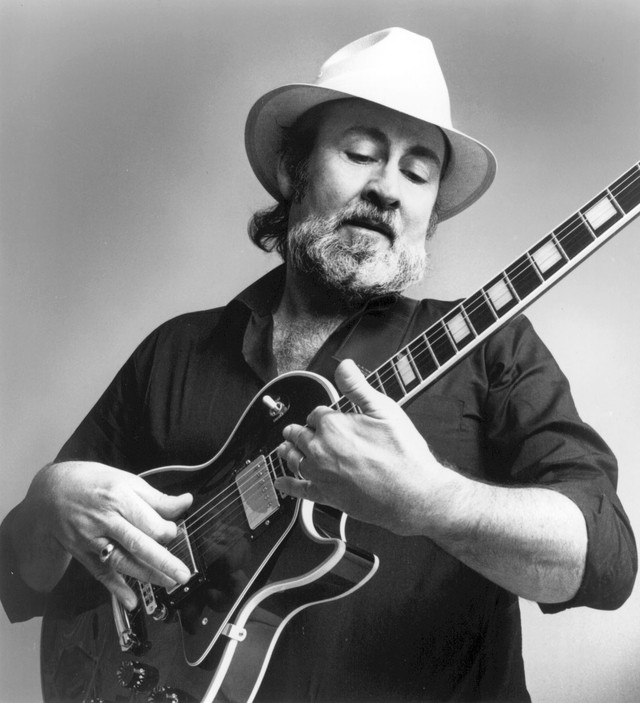


Kim Simmonds