Data may be outdated
Last updated: 7 months ago — Click refresh to get the latest statistics.
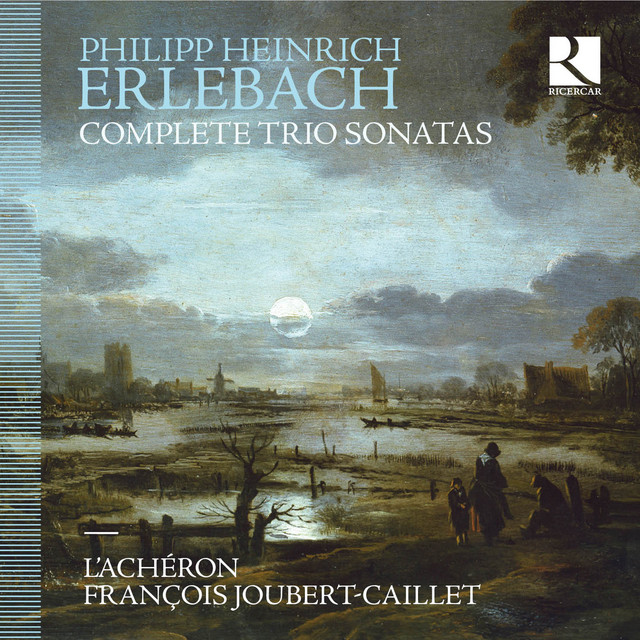
A key figure in late seventeenth century German music, composer Philipp Heinrich Erlebach nonetheless has gained recognition very slowly for his considerable role in the middle Baroque. Born in the East Friesland town of Esens, Erlebach was a citizen of East Friesland when it was a free duchy, and would have come of age in an atmosphere heavily impacted by Franco-Flemish culture. It was in the service of the Friesian Court that Erlebach first made his name as a musician, and based on his exceptional abilities Erlebach's services were loaned out to the court of Albrecht Anton von Schwarzberg-Rudolstadt, Count of the larger principality of Thuringia, starting in 1678. In 1681, Erlebach was named to the post of Kapellmeister to the Thuringian Court, a position he held until his death 33 years later. In this time, Erlebach built a reputation as one of the great composers in Central Germany, and enjoyed connections to the courts in Nuremburg, Mühlhausen (where the young Johann Sebastian Bach was employed from 1707-08) and at Brunswick-Wolfenbüttel. Count Albrecht Anton's successor, Prince Ludwig Friedrich I, thought enough of Erlebach's music to purchase his manuscript collection from Erlebach's widow after the composer's death in 1714. Unfortunately, a fire in 1735 wiped out this entire legacy, and posterity is dependent upon published editions, manuscript copies and a single holograph in Erlebach's own hand to account for his talents.
Judging from the wide distribution of manuscript copies of Erlebach's music, it must've been quite popular -- nearly 90 of his sacred cantatas exist, out of a total of more than 400. The lost material also included 24 masses and at least six complete cycles of cantatas for the Lutheran church year. Erlebach was also productive in the realm of secular vocal music and song, and for this music his invaluable 1697 published collection Harmonische Freude musicalischer Freunde contains no less than 75 such numbers. From the more than 120 instrumental works Erlebach is known to have produced, only 13 pieces survive. However these are extraordinary compositions noted for their strong rhythmic ideas and colorful, French-inspired harmony.
Judging from the wide distribution of manuscript copies of Erlebach's music, it must've been quite popular -- nearly 90 of his sacred cantatas exist, out of a total of more than 400. The lost material also included 24 masses and at least six complete cycles of cantatas for the Lutheran church year. Erlebach was also productive in the realm of secular vocal music and song, and for this music his invaluable 1697 published collection Harmonische Freude musicalischer Freunde contains no less than 75 such numbers. From the more than 120 instrumental works Erlebach is known to have produced, only 13 pieces survive. However these are extraordinary compositions noted for their strong rhythmic ideas and colorful, French-inspired harmony.
Monthly Listeners
1,891
Monthly Listeners History
Track the evolution of monthly listeners over the last 28 days.
Followers
2,385
Followers History
Track the evolution of followers over the last 28 days.
Top Cities
47 listeners

32 listeners

27 listeners

27 listeners

22 listeners
Related Artists
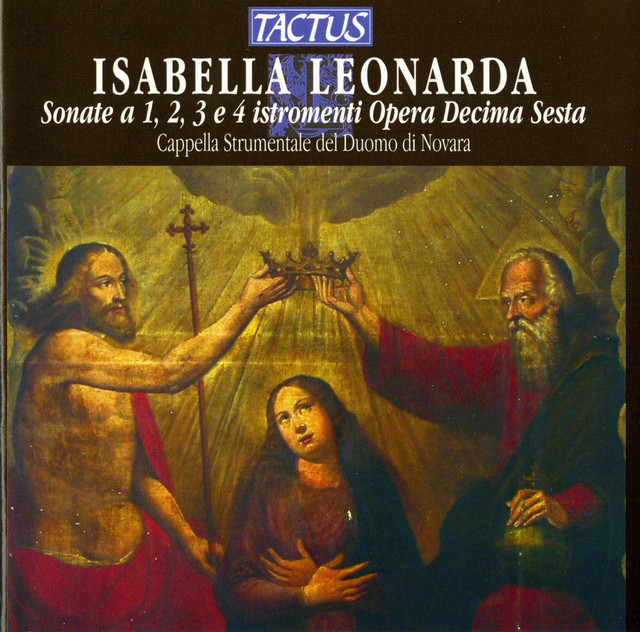
Isabella Leonarda
Giulio Quirici

Giovanni Battista Bassani
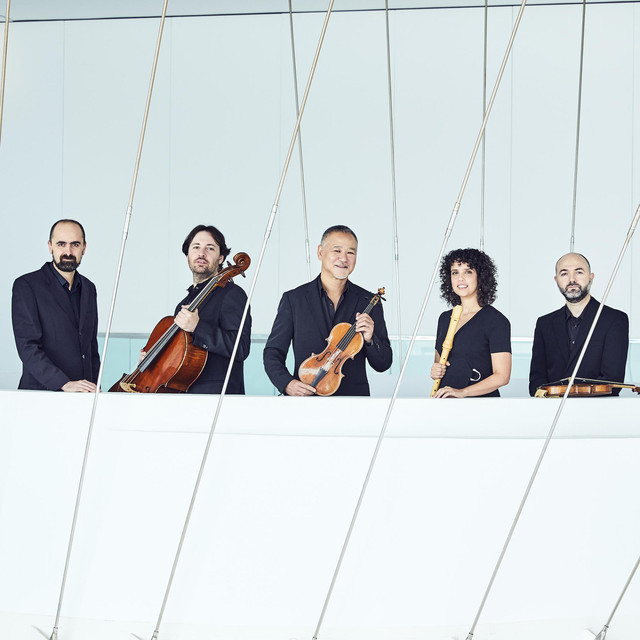
La Ritirata
Josetxu Obregon
Giovanni Battista Fontana

Carolus Hacquart
La Sfera Armoniosa
Cappella Strumentale del Duomo di Novara
António Pereira da Costa
Johann Adam Reincken

Samuel Capricornus
The Bach Players
Retrospect Trio

Lucia Froihofer
Giovanni Picchi

Jacques Hotteterre
Philippe Foulon

Francesco Scarlatti
Diana Vinagre
Ensemble Aurora
Andre Cardinal Destouches
Marcello di Lisa

Attilio Ariosti
Tymen Jan Bronda
Jana Semeradova
Harmonices Mundi
Fuoco e Cenere

Johann Christian Schieferdecker
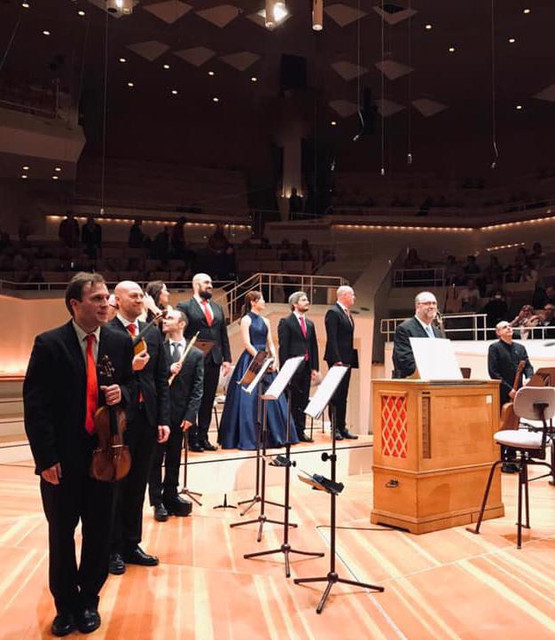
Al Ayre Español
Brice Sailly
Robert Smith
Korneel Bernolet
Tragicomedia

Sergio Balestracci
Carlo Ambrogio Lonati
Christoph Bernhard

RedHerring Baroque Ensemble